Dealing with insect bites – and other nasty stings
“South Africa is home to a rich variety of insects and arachnids, and many are found in our homes and gardens.”
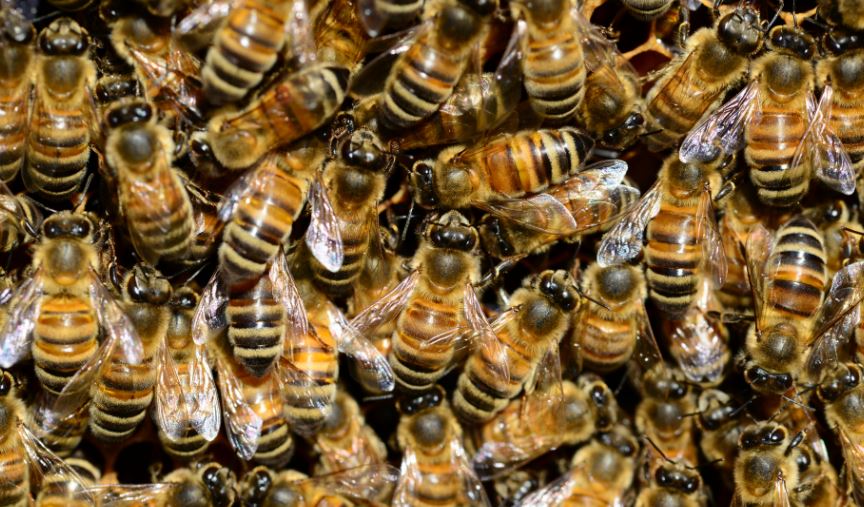
An ambulance service in Pretoria has come up with a series of tips on treating common bites and stings from insects.
“South Africa is home to a rich variety of insects and arachnids, and many are found in our homes and gardens,” ER24 said in a statement.
It said bees, wasps, scorpions, hornets and spiders could pose a risk, particularly to young children.
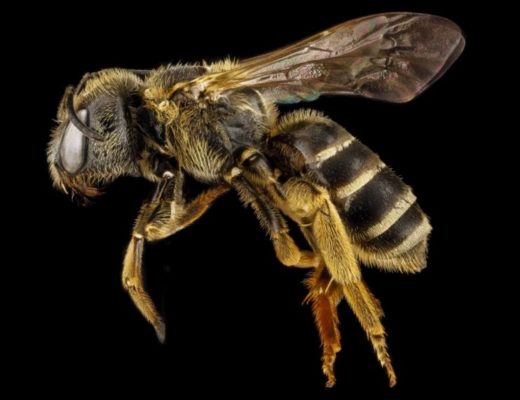
“Generally, a sting from a bee or hornet will only result in a localised reaction, although it may result in life threatening symptoms in people who are highly allergic to bee venom.”
ER24 offered some guidelines on what to do when someone showed a mild reaction to stings:
– Only bees leave a stinger behind.
– Some say not to squeeze the stinger when you remove the sting, but rather use tweezers or a clean credit card and ensure you remove it completely.
– If it is below the skin’s surface, leave it there to fall out naturally.
– For pain and itching, apply ice or a cool compress for 20 minutes to bring relief, and some doctors may recommend over-the-counter pain medication such as ibuprofen, or an antihistamine.
Severe reaction to stings:
“The biggest risk associated with bee stings is that the small amount of venom they release may trigger an allergic reaction and lead to anaphylaxis, a severe life threatening allergic reaction,” said ER24.
Anaphylaxis occurred when the body developed a severe allergic reaction to something, such as food, medication or stings. Symptoms included:
ALSO READ: Future predictions: Welcome the Exponential Age
– Swelling of the tongue, throat and body.
– Suddenly developing a hoarse voice.
– Rash, often itchy hives and/or redness.
– Feeling lightheaded or fainting episodes.
– Tight chest, wheezing or difficulty breathing.
– Abnormally fast heartbeat.
– Clammy skin
– Confusion
– Vomiting or stomach pain.
– Sense of impending doom.
Treating these symptoms:
– Administer auto-injectable epinephrine (adrenaline) if it has previously been prescribed and is on hand.
– Lie the person down with the feet elevated.
– Call an ambulance urgently.
“In severe allergic reactions, a person will likely be monitored in hospital (at times ICU or high care) until their symptoms have resolved,” ER24 said.
The ambulance service also provided advice on other insect bites.
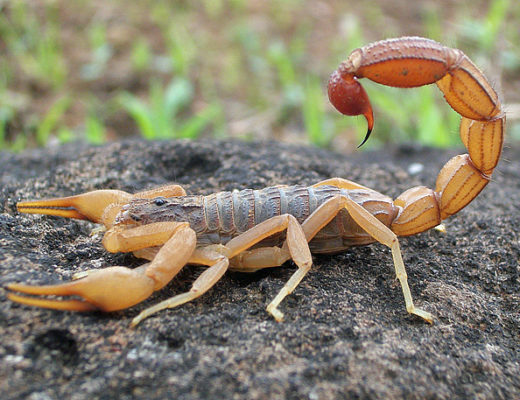
“If you are bitten by a spider or scorpion, it helps to carefully catch the spider or scorpion and bring it along to the hospital so that doctors know exactly how to treat the bite or sting,” it said.
“Fatalities from spider bites in South Africa are extremely rare. The most dangerous spiders in South Africa include black and brown button or widow spiders, sac spiders and the violin spiders.”
ER24 said while larger spiders such as baboon and rain spiders could attack and bite if threatened, they were not poisonous.
ALSO READ: Companion planting – the new buzz word in growing things
“If children are bitten by larger spiders, they will require a lot of reassurance and some wound care. It is always good to check the status of your tetanus immunisation after any spider bite, as the spores of the tetanus bacteria may be found in the mouth parts of spiders.
“If you have not had a booster in the past five years this is a good time to have one.”
Black and brown widow button spiders were fairly common in homes and particularly in gardens across South Africa.
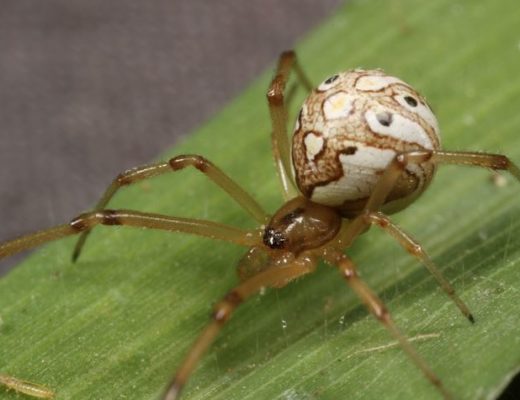
Symptoms range from:
– Immediate, burning pain that spreads to the lymph nodes within 15 minutes.
– Generalised and often intense muscular pain and cramps develop within an hour.
– Anxiety, sweating and a general feeling of weakness also follow.
– Other symptoms may include rigid muscles, a racing pulse, involuntary movement of the limbs and a flushed face. In one in three cases there is no detectable bite.
Treating these symptoms:
– It is important to take the victim to their GP or the emergency room in the case of systemic symptoms.
– Antivenom to these spider bites is available at hospitals and depending on the severity of symptoms may be administered in the Emergency Unit in hospital.
– The elderly and small children are most at risk of complications. Fortunately, there have been no reported deaths from black button bites in South Africa since the 1960s.
ALSO READ: 11 things that can make travelling easier
ER24 said the following symptoms could show when bitten by a black or brown button spider:
-The reaction to a brown button/widow spider bite is usually milder than the reaction to a black button/widow spider bite.
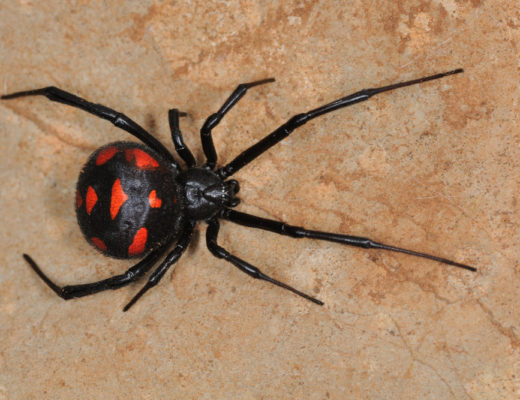
– For adults, this includes a burning sensation at the site of the bite and pain in the regional lymph nodes.
– The surrounding muscles may feel stiff while the skin presents with a tingling sensation.
– Some patients experience muscular pain and weakness in the legs and a low-grade fever.
– Children may present with restlessness and hyperactivity.
ER24 said a bite from a button spider was detectable, but usually dids not require treatment.
“The reaction, while unpleasant, should clear up within three days. However, small children and the elderly should receive medical observation as a precaution because they may experience more severe symptoms.”
ER24 said Cytotoxic spiders such as sac and violin spiders were widely distributed in South Africa.
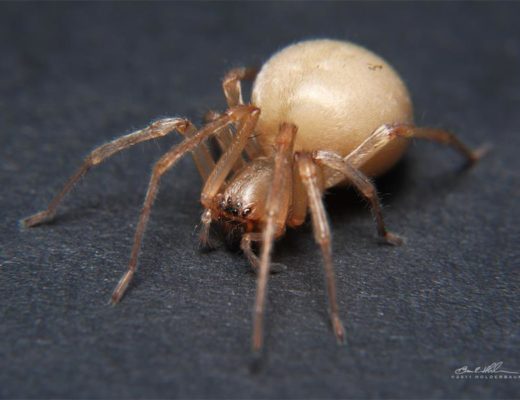
“Sac spiders are often found in the home and are known to be aggressive while violin spiders are rarely found in urban areas and will tend to hide in crevices.”
Symptoms could range from:
– Fang marks are often present and a red mark usually appears.
– The bite becomes painful between 12 and 24 hours and may develop blisters.
– Usually, these spider bites heal spontaneously. In rare cases, however, the bite results in systemic illness including fever and malaise between 3 and 5 days after the bite.
ALSO READ: French ‘human hen’ artist has a crack at hatching eggs
– The tissue around the bite may die off and leave a slow-healing ulcer that can take weeks to heal.
“Patients should seek medical attention if they suspect that a cytotoxic spider has bitten them.”
ER24 said treatment was usually symptomatic and focused on preventing and treating secondary infections and complications.
However, patients would often recover without medical intervention.
“If you’re unsure of what to do about a bite or sting, the best option is to call the Poison Information Helpline (0861 555 777),” said ER24.
Do you have more information about the story? Please send us an email to editorial@rekord.co.za or phone us on 083 625 4114.
For free breaking and community news, visit Rekord’s websites:
For more news and interesting articles, like Rekord on Facebook, follow us on Twitter or Instagram