Rules for opening a business from home
This is what you need to consider when you start a home business.
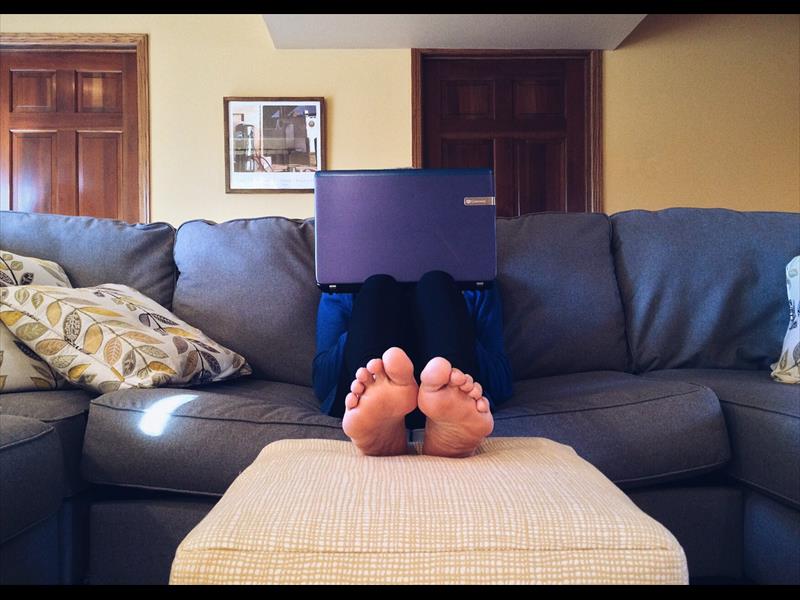
The digital era has revolutionised the way we conduct business. The need for large office spaces is slowly eroding as more employers choose to allow staff to work remotely and with flexible hours.
As a result, the home business model has grown in popularity, with many new entrepreneurs choosing to set up business at home rather than a CBD. But, what are the legal implications of operating a business in a residential area?
“Consumers need to be very careful before choosing to start a business from home. Zoning laws prohibit most businesses from operating in a residential area unless they have received special permission in the form of a temporary departure which cannot be transferred to the next homeowner if the property is sold. Alternatively, consumers can have the area rezoned to a mixed-use zone,” says Adrian Goslett, regional director and CEO of RE/MAX Southern Africa.
ALSO READ:
https://rekordcenturion.co.za/144137/how-to-relocate-without-professional-movers/
Before you fly into a panic about the one-desk study that functions as your entire accounting practice, you should know that most micro businesses do not require any special permission to operate in a residential zone.
“Although each city has its own city planning regulations, all zoning laws are there primarily to keep the peace in suburban areas. Nobody wants to live next to a busy retail space or a noisy warehouse. So, as long as your business adheres to certain micro-business behavioural criteria – which can usually be found on your relevant city council’s website, your home business is allowed to operate without any special permission,” Goslett explains.
Examples of businesses that are typically allowed to operate in residential areas include those that belong to the service industry, such as a bed and breakfast, a small hair and beauty salon, a dentist or small medical practice, or a crèche/childcare facility – only a certain number of children can be accepted though, with the key condition for all of these home-operated businesses being that the dwelling must be predominantly used for residential purposes and the owner of the business must reside in the dwelling.
“It is also advisable to chat to somebody at the district planning office to make sure that you are not infringing on any regulations that govern home-based businesses. If your business is of a different nature to those described above, then you will have to visit your local district planning office in person to verify and alter the zoning of your property if need be. The office will be able to advise you on the process required for this,” Goslett explains.
“However, entrepreneurs need to remember that zoning is just one part of the legal process. Any home-based business owner also needs to follow through on the various legal steps involved in starting a regular business, like acquiring a business or trading licence,” Goslett adds.
Though it might be tempting to forgo the inconvenience of acquiring the required legal clearances for your home business, Goslett advises all entrepreneurs to go through the necessary steps in order to avoid running into trouble later.
“It is not easy to hide the fact that you’re running a business from your neighbours. If one of them takes a dislike to your residential company and lays a complaint – which happens more regularly than you might think, then you could face some serious penalties for operating a home business without the required permissions,” Goslett concludes.
ALSO READ:
https://rekordcenturion.co.za/144788/innovative-ways-to-reduce-your-electric-bill-this-winter/
Do you have more information about the story? Please send us an email to editorial@rekord.co.za or phone us on 083 625 4114.
For free breaking and community news, visit Rekord’s websites:
For more news and interesting articles, like Rekord on Facebook, follow us on Twitter or Instagram