Marabastad, a cultural melting pot
“It is a history of migrants, refugees, job-seekers, entrepreneurs and commuters seeking a new and better life and of people who became the unwilling subjects of a political ideology.”
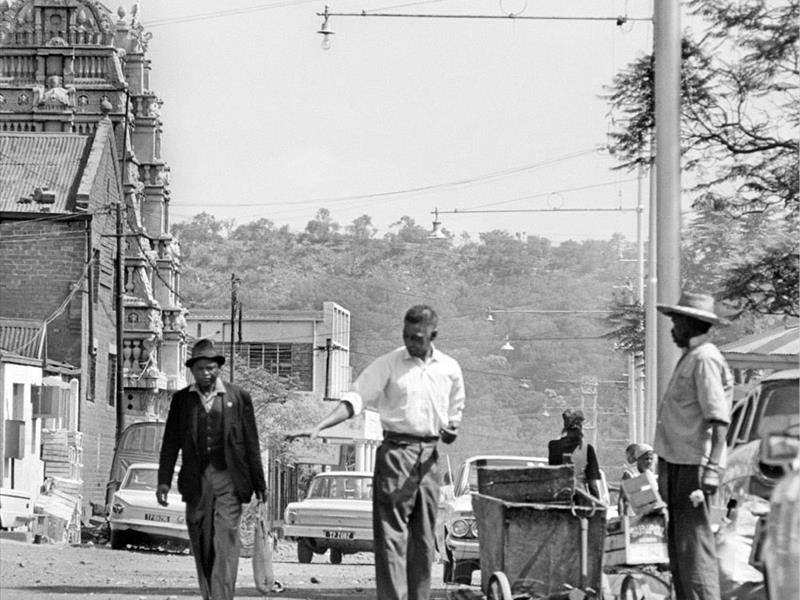
The historic area of Marabastad is known for its bazaar, but the location offers much to history and the economy than meets the eye.
It was also once a home to hundreds of Pretorians, some well-known.
https://twitter.com/SheilahMokg/status/1010891634224099328
Literature giant Es’kia Mphahlele is one of the famous faces who grew up in the culturally diverse area. He was born there in 1919.
Es’kia Mphahlele Drive and the library at Sammy Marks Square were named after him.
Another historical figure who was born in Marabastad is celebrated artist Thabang Noto Matseke. He was born in 1930 and lived until about 1950.
As a teacher, art collector and artist, Matseke made a valuable contribution to the development of an indigenous African consciousness through his own work and in his support of other artists.
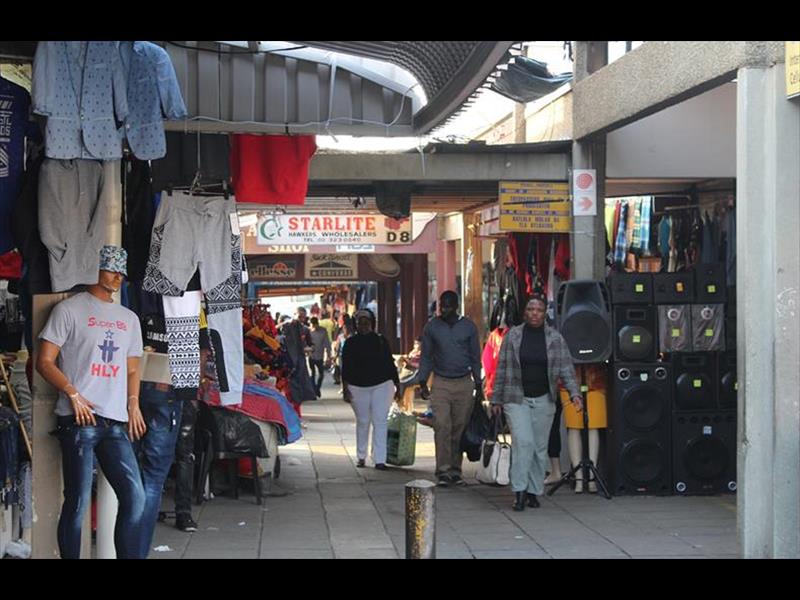
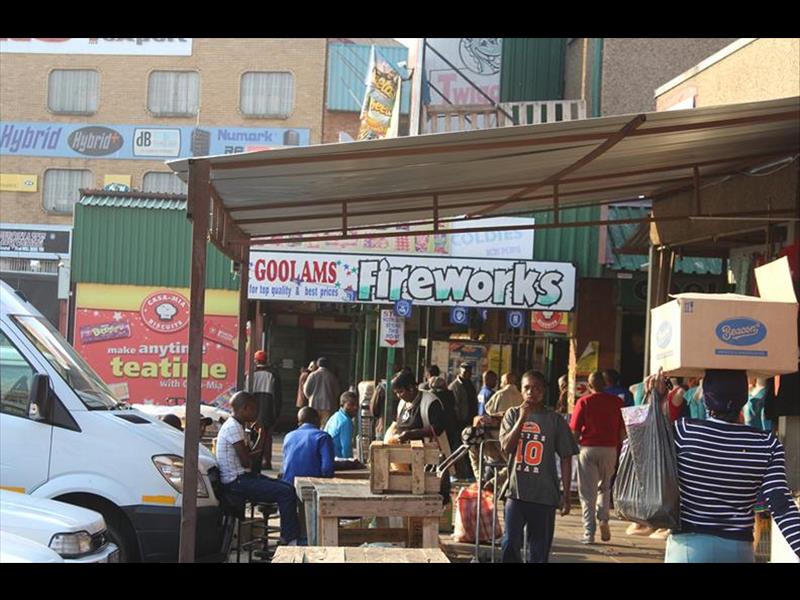
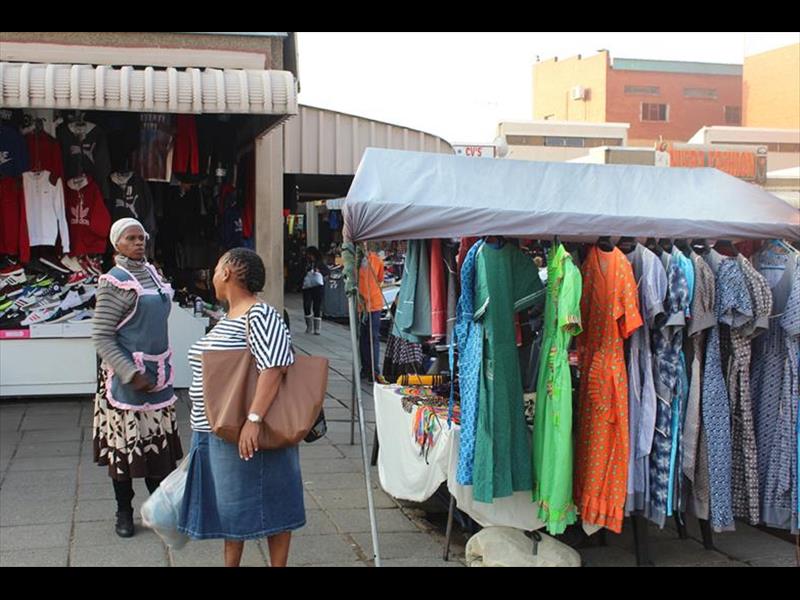
Marabastad still has a plethora of shops, spazas, a mosque, a Hindu temple and a variety of goods are available from the historic Asiatic bazaar area.
https://twitter.com/Bellissima_aime/status/1010509334592319488
“Historically Marabastad has always been culturally diverse and the Mariamman Temple is one such example of this,” according to SA History Online.
The temple is famous for its unusual and exotic traditional exterior with intricately decorated pillared tiers rising to the sky above the entrance-way.
Mariamman Temple, Marabastad #Pretoria – Tamil New Year pic.twitter.com/J9tBZvrx2u: Mariamman Temple, Marabastad #… https://t.co/HnArSsV48t
— Tshwane City (Pta) (@tshwanecity) April 15, 2013
Built in 1905, the temple was a small wood and iron structure and the ornate ‘Gorpuram’ that can be seen today was constructed in 1927.
The suburb of Marabastad was named after Chief Maraba, who founded and headed the original Maraba Village, which lies south of the present Marabastad.
They found Nkholo-nkholo and his people there. Moved them and crushed all the houses. Also a chief to coloureds and Indians living on his land. They resettled the groups in Atteridgeville, Eersterust and Laudium. Renamed area Marabastad! Nkxošhi Maraba, Dlou Letebele! pic.twitter.com/m2bxdiB0JW
— RockerBeez™️ (@kgeremolla) December 19, 2017
“It was one of the first of many satellite communities to spring up on the peripheries of towns and cities that were established in the interior of southern Africa during the course of the 19th century.”
Lynnwood Ridge-based photographer, researcher and profiler JFC Clarke said the story of the cultural melting pot known as Marabastad was about change, relocation and urbanisation.
“It is a history of migrants, refugees, job-seekers, entrepreneurs and commuters seeking a new and better life and of people who became the unwilling subjects of a political ideology,” he said.
Clarke said Marabastad reflected the history of South Africa’s racial, social and economic divisions, of white control of urban centres to the exclusion of other racial groups.
“Marabastad was once an expanding township on the edge of the city of Pretoria. It was inextricably linked to Pretoria but, at the same time, it was never allowed to be an integral part of the city.”
As Pretoria expanded in size, Marabastad became surrounded by urban and industrial development.
“The township slowly diminished in size as inhabitants were forced to move to new racially segregated residential areas that were established outside the city limits,” he said.
The black residents of Marabastad were relocated to Atteridgeville in 1945, the coloured residents to Eersterus (1963), and the Indian residents to Laudium in 1968, according to Wikipedia.
Do you have more information about the story? Please send us an email to editorial@rekord.co.za or phone us on 083 625 4114.
For free breaking and community news, visit Rekord’s websites:
For more news and interesting articles, like Rekord on Facebook, follow us on Twitter or Instagram