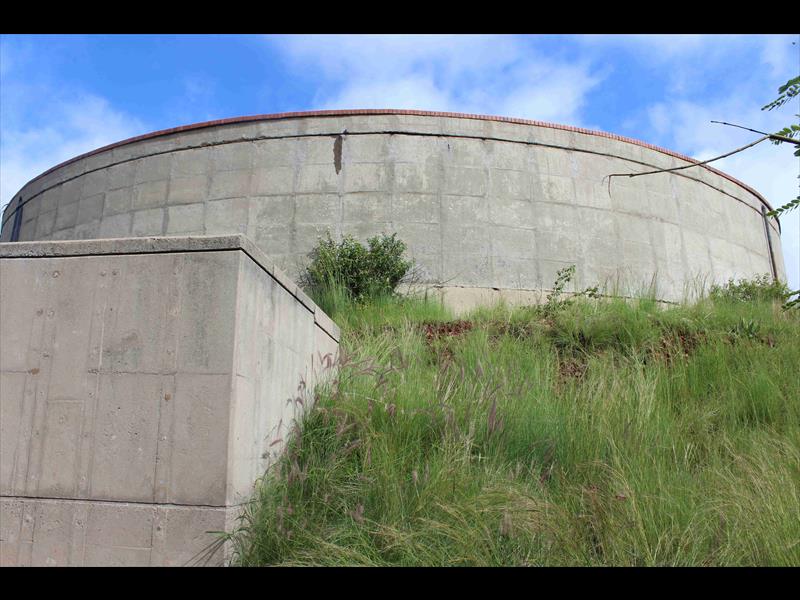
Continued load shedding is likely to have an impact on the Tshwane metro’s water supply, Rand Water has warned in a statement.
Spokesperson Justice Mohale said two consecutive days of stage 4 load shedding at key pumping stations would run the water reservoirs in Gauteng dry.
Mohale said although the entire pumping system for Gauteng was affected, areas at the end of the supply chain would be hit first.
“This includes Bethal, the region north of Pretoria, and the east of Ekurhuleni,” he said.
The reservoirs were already below the ideal 60% to 80% level due to the recent heatwave and capacity constraints.
He said the reservoirs could not survive any level of electricity rationing indefinitely, and places at the far end of its distribution network would feel the effects of blackouts sooner.
ALSO READ: TIPS: Tshwane residents urged to be safe during load shedding
“It would take just two consecutive days of stage 4 load shedding at two of its most sensitive pumping stations to lead to a water shortage, Gauteng’s bulk water supplier,” he said.
“Any disturbance with load shedding therefore affects pumping which is designed as a 24 hour continuous operation.”
Mohale said Rand Water had an agreement with Eskom that its pumps would be the last to be blacked out during electricity shortages.
But this applies only to pumps directly supplied by Eskom, not the many connected via municipal grids – and also only up to stage 3.
“Stage 4 means Eskom can ignore the agreement and load shed all our pumping stations supplied directly by them,” Mohale said.
ALSO READ: Solution in sight for north water woes – MEC
Do you have more information about the story? Please send us an email to editorial@rekord.co.za or phone us on 083 625 4114.
For free breaking and community news, visit Rekord’s websites:
For more news and interesting articles, like Rekord on Facebook, follow us on Twitter or Instagram