Metro remains mum as Groenkloof residents demand action on cable theft
rFrustrated Groenkloof residents have launched an urgent petition demanding that the City of Tshwane clear overgrown vegetation along the UNISA boundary and introduce stronger anti-cable theft measures after repeated power outages left homes, businesses and a hospital without electricity.
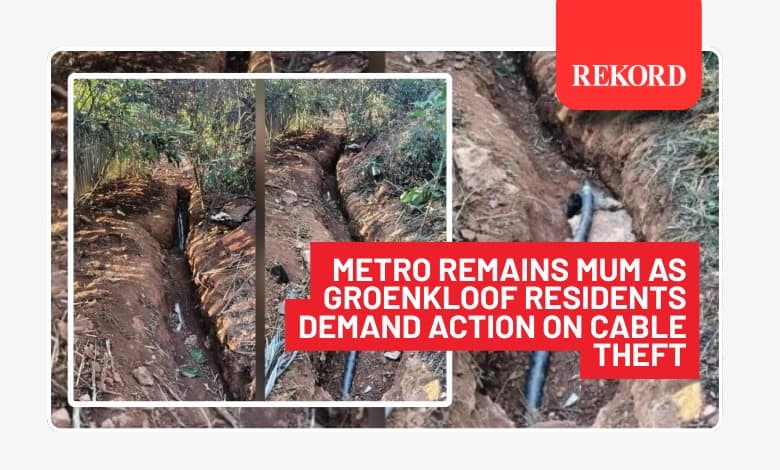
Groenkloof residents are demanding urgent intervention from the Tshwane Metro after repeated cable theft along the Unisa boundary left large parts of the suburb without electricity.
The latest petition, drafted with the assistance of the Freedom Front Plus (FF+), follows months of recurring outages linked to cable theft near Fountains Circle.
Residents have said that dense, overgrown vegetation has caused the area to become a haven for criminals, allowing them to target underground electricity infrastructure, while remaining hidden from security cameras and patrols.
FF+ mayoral candidate Willie Spies said the municipality has failed to act despite residents’ requests to clear the overgrown embankment.
“Residents are paying rates and taxes, yet they are forced to spend their own money maintaining municipal land because the Metro has neglected its responsibilities,” said Spies.
“The thick grass, weeds and bushes provide cover for criminals, make existing security cameras ineffective and contribute directly to the ongoing cable theft problem.”
The petition calls on the metro to immediately clear vegetation along the UNISA boundary, maintain the area every three months and provide residents with written feedback within 14 days.
It also urges the metro to work with Eskom to implement proven anti-cable-theft measures, including replacing copper cables with materials of low scrap value, installing vibration sensors, and installing radio monitoring systems.
Spies said this will armour vulnerable cables and strengthen co-operation between law enforcement agencies and private security companies.
He added that the FF+ would continue pressing the municipality until meaningful action was taken.
“Ratepayers have the right to a reliable electricity supply and a safe environment. We will continue applying pressure until the area has been cleared and effective measures are implemented to curb cable theft,” he said.
The party also plans to approach the University of Pretoria and UNISA to seek their cooperation in addressing the recurring theft along the institutions’ shared boundaries.
Groenkloof Residents’ Association chairperson Francois Geringer said previous security interventions showed that preventative measures could work.
According to Geringer, surveillance cameras installed at one hotspot prevented cable theft there for more than a year.
However, he said, criminals had simply moved to another section where dense vegetation now allowed them to operate unnoticed.
“We have to get more cameras in, but we can’t put a camera in if it’s overgrown,” he said.
The association has submitted a Community Upliftment Programme (CUP) application that would allow residents to clear vegetation more quickly whenever new hotspots are identified. Geringer urged residents not to confront suspected cable thieves themselves.
“People are walking around trying to catch the cable thieves, which is extremely unsafe for them,” he said.
“We caution against that because you can lose your life there.”
Ward 59 councillor Shaun Wilkinson said cable theft continued to pose a significant challenge in Groenkloof.
“The most recent confirmed incident occurred during the second week of June when thieves targeted the UNISA and University of Pretoria boundary,” he said.
According to Wilkinson, that incident once again highlighted the vulnerability of the existing electricity infrastructure and the need for permanent preventative measures rather than simply replacing stolen cables after every incident.
He said he had engaged metro officials and senior leadership about engineering solutions, including relocating vulnerable sections of the network to make them less accessible to criminals.
“At this stage, however, the City of Tshwane has not yet communicated whether these proposals will be accepted or implemented,” he said.
He confirmed that the residents’ association and the FF+ had initiated a second petition calling on the municipality to clear the dense vegetation.
While supporting the principle of a CUP, Wilkinson said he had requested additional technical information and broader stakeholder consultation before endorsing the current application.
The latest petition follows a visit by Mayor Dr Nasiphi Moya to Groenkloof in June 2025, where she met with residents to discuss measures to curb cable theft in the area.
After the June meeting, mayoral spokesperson Zintle Mahlathi said the engagement with Groenkloof stakeholders had been held behind closed doors.
“The mayor will issue a response about progress on the engagement in the near future,” Mahlathi said.
Rekord asked the metro for an update on the progress made since the mayor’s visit, as well as its response to the latest petition, but the metro had not responded by the time of publication.
Do you have more information about the story?
Please send us an email to bennittb@rekord.co.za or phone us on 083 625 4114.
For free breaking and community news, visit Rekord’s websites: Rekord East
For more news and interesting articles, like Rekord on Facebook, follow us on Twitter or Instagram or TikTok or WhatsApp Channel