What you did not know about the Spekboom
The Spekboom acts like a carbon dioxide sponge and uses the sequestered carbon dioxide to make fibres.
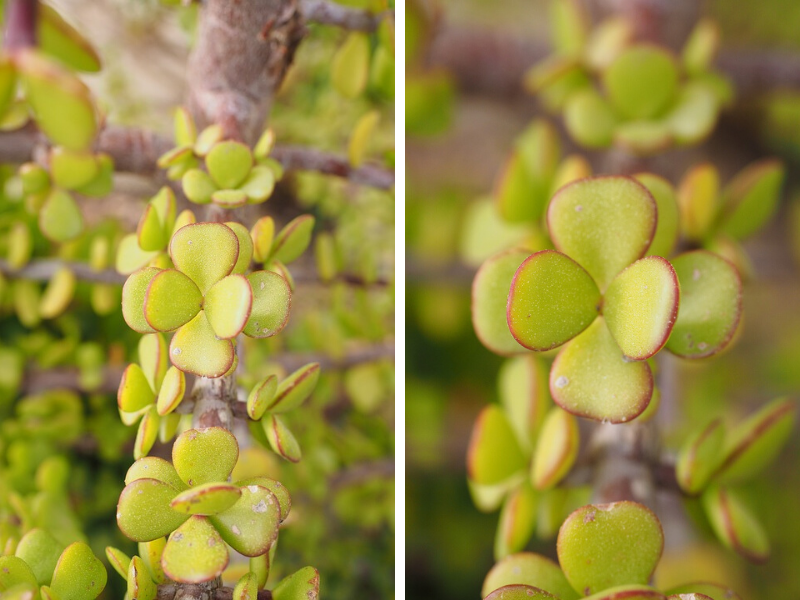
South Africa is the heart and founder of the Portulacaria afra, better known as the Spekboom plantation that helps to fight global warming.
Spekboom are small-leaved succulent plants with a reddish stem that are green and has a variegated cultivar that is often seen in cultivation. The leaves are soft-wooded, semi-evergreen and it grows into an upright shrub or small tree, usually 2.5–4.5m.
These plants are easy to take care of as they tend to be classified as houseplants. For those sunny locations, these plants can also be stored in outside landscaping in frost-free regions.
The Spekboom plant’s appearance can be related to a “jade plant” better known for as Crassula.
Recently in South Africa, a young boy Chris-Tiaan (11) has planted more than 500 Spekboom plants at the end of 2019.
READ MORE: WATCH: Stressed out plants emit sounds
The Spekboom acts like a carbon dioxide sponge and uses the sequestered carbon dioxide to make fibres.
Carbon is one of the major greenhouse gases which are responsible for the warming of the earth’s atmosphere; it is produced in excess by burning of fossil fuels.
This means that humans are producing atmospheric carbon faster than the environment can absorb.
The Spekboom is known to have the ability to absorb more carbon from the atmosphere than most other plants.
According to Spekboom Initiative Against Global Warming campaign Spekboom stores carbon in the ground. The soil can be used to grow other plants.
The plant can survive with only a little bit of water after it has been planted.
A study by Samara, a private game reserve based in the Karoo, that humans can eat spekboom plants and counts as a healthy source for our bodies. Followed with a sweet lemon taste, the spekboom leaves are juicy and full of moisture, perfect for hiking snacks.
READ MORE: Are any of these illegal invasive alien plants hiding in your garden?
Here are a few health tips:
– Spekboom leaves are edible and rich in manganese, cobalt and especially magnesium and it contains micro elements, rich in Vitamin C, iodine and selenium.
– Leaves can be used to treat exhaustion, dehydration and heatstroke.
– Crushed leaves can be rubbed on blisters and corns on the feet to provide relief.
– The leaves are chewed as a treatment for sore throat and mouth infections.
– The astringent juice is used for soothing ailments of the skin such as pimples, rashes and insect stings.
– The juice is also used as an antiseptic and as a treatment for sunburn.
– Spekboom leaves can help with the stimulation of milk in humans.
More facts from the Samara study:
– Spekbooms are also called Pork Bush or Elephant’s Food.
– Usually found in the Eastern Cape, in the semi-arid Karoo region, is the ideal environment to grow in.
– The plants have a long life span for over 200 years.
– Spekbooms tend to grow at least 5 meters tall.
According to Samara, there is a forest in the Eastern Cape area that is believed to only consists of spekbooms.
– Broken-off spekboom branches can quickly grow roots and create a whole new plant.
– Spekbooms can adapt to their surroundings or environment
During the wet, cool months, Spekboom photosynthesises like other plants. In drier times, the plant has the ability to open its stomata at night. This will prevent water loss during the heat of the day.
Black rhinos, elephants and kudu eat spekboom.
Do you have more information about the story? Please send us an email to editorial@rekord.co.za or phone us on 083 625 4114.
For free breaking and community news, visit Rekord’s websites:
For more news and interesting articles, like Rekord on Facebook, follow us on Twitter or Instagram