Millions of staff, students to receive mental health help
Nzimande said this peer-to-peer counselling was enhanced through mental health self-risk assessments and various communication initiatives.
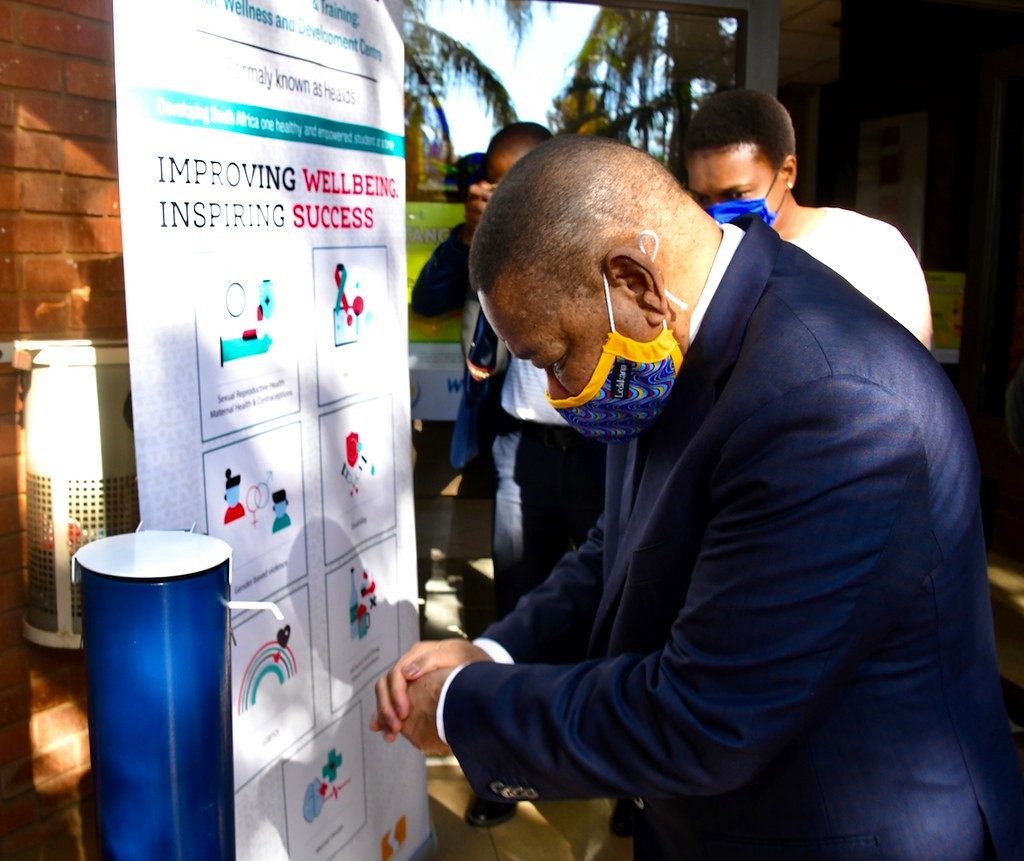
The department of higher education and training (DHET) has launched a new 24/7 mental health helpline initiative aimed at helping both students and staff at campuses across the country.
Called Higher Health SA, the helpline would provide free telephonic and SMS counselling; crisis intervention and support and referrals to mental health professionals and other psychosocial resources to students and staff across all campuses.
The helpline that would offer help in all 11 official languages, was appointing clinical psychologists who were set to work across the country to provide counselling, care and support and linkage to services for relevant cases to the appropriate professionals.
“The mental health and well-being of whole societies have been severely impacted by the Covid-19 pandemic and are an urgent priority,” said higher education, science and innovation minister Dr Blade Nzimande.
Nzimande said that physical and psychological health went together and South Africa was currently learning about how the pandemic was impacting the health of people of different ages, their respiratory, muscular and neurological well-being.
“Covid-19 is also intensifying anxiety, depression, feelings of loneliness and fear due to economic and academic uncertainties. So we must support the mental and psychosocial well being of our post-school education and training sector in equal measure as we implement measures to prevent and manage Covid-19 within our institutions,” said Nzimande.
He said under the guidance of the DHET and with the support of the SA Depression and Anxiety Group (SADAG), Higher Health has mapped up the mental health and substance abuse priorities related to Covid-19 within the post-schooling sector.
Nzimande said this tailor-made three-tier programme considered why and how students and staff could be impacted, while it also assisted individuals who experienced problems.
“At the intervention’s primary level, higher health’s student-led peer-to-peer programme plays a key role in creating awareness and introducing initiatives to increase psychological resilience, recognise and reduce anxiety, stress and depression and prevent suicide,” he said.
Nzimande said this peer-to-peer counselling was enhanced through mental health self-risk assessments and various communication initiatives.
“Notably, addressing the detrimental psychosocial and physical effects of gender-based violence – as a recognised challenge to the post-schooling sector – are part of the same conversations and interventions,” he said.
“Essentially, our approach seeks to promote mental health as an integral part of every person’s overall health, prevent mental ill-health and provide support and appropriate services when required.
“We are confident this service will go a long way to helping students and staff cope with the heightened complexities of this academic year, but it is also a valuable investment in the future health and wellness of our students and staff.”
The initiative follows the recent launch of “HealthCheck”, a daily screening and monitoring tool, which transmits data directly to the national Covid-19 tracking system.
Do you have more information about the story? Please send us an email to editorial@rekord.co.za or phone us on 083 625 4114.
For free breaking and community news, visit Rekord’s websites:
For more news and interesting articles, like Rekord on Facebook, follow us on Twitter or Instagram