Tshwane strike, deal – or no deal?
Is the strike over? Residents wonder as the metro says they have a deal with the striking municipal workers’ union, while the union says there is no such deal.
Is there a deal or isn’t there a deal?
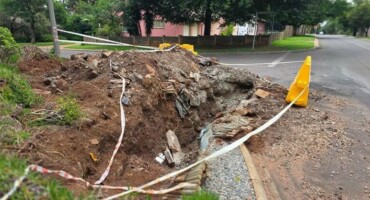
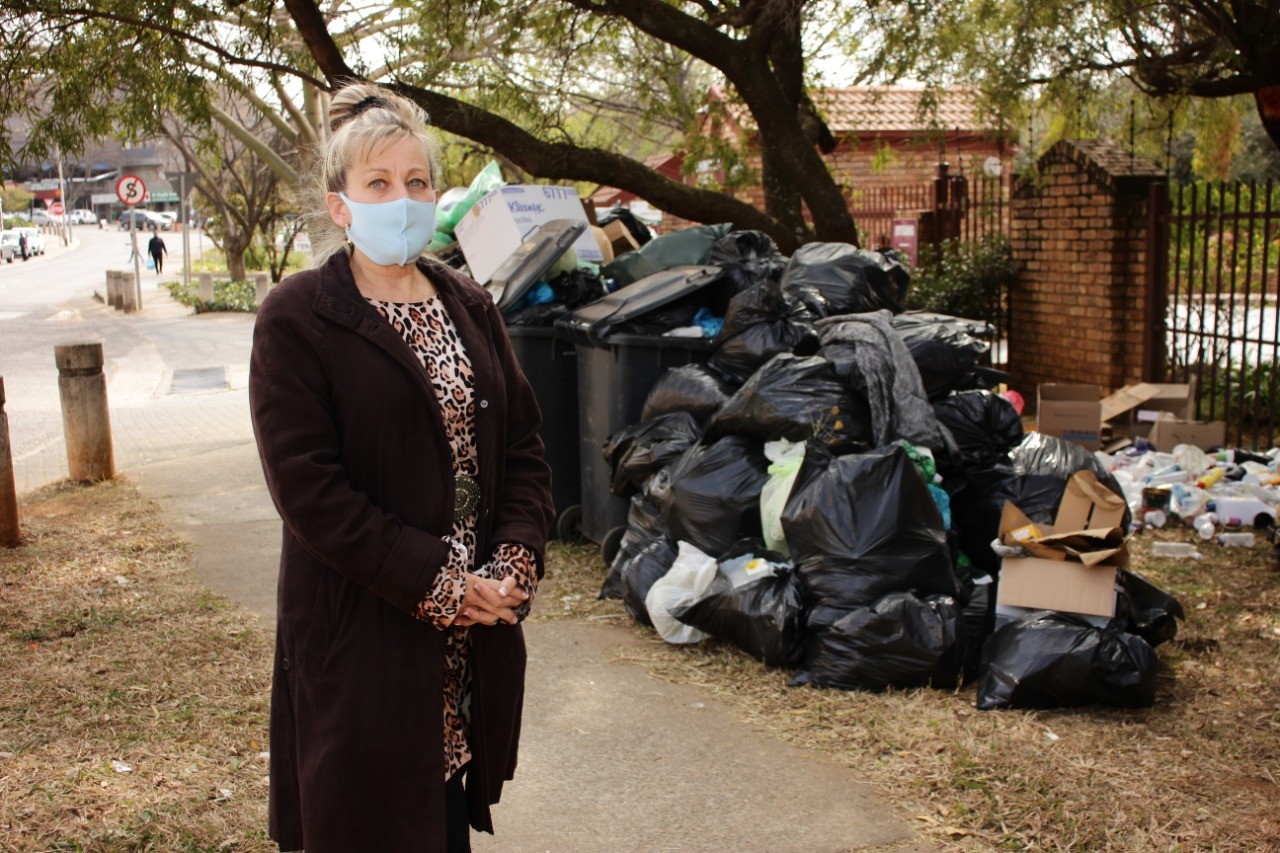
That is the question as confusion reigns as to whether a municipal workers’ strike that saddled Tshwane residents with leaking sewage, piles of rubbish in the streets and power outages over the past few weeks is over not.
This as the metro says they have a deal with the striking South African Municipal Workers’ Union (Samwu) while the union says there is no such deal.
“We would like to categorically state that contrary to the statement issued by the metro claiming that there is an agreement reached, there is no such [agreement],” said Samwu regional secretary Mpho Tladinyane.
The metro proposed it pay half of the benchmarking monies owed to workers by the end of August 2020, while the remaining half would be paid before the end of the financial year in February 2021.
“We appreciate the movement by the employer on this long-overdue matter which has brought frustration and anxiety among workers. Our position, however, has always been that the employer should pay in line with the collective agreement being the two years.”
ALSO READ: Three to appear in court after chaos erupted in Tshwane
He said the labour union would be consulting with members on the proposal by the metro, and “only members could give the regional leadership mandate on this matter”.
“Until this process has been fully concluded, it is the view of the union there is no agreement but rather advanced discussions.”
Tladinyane said there were “concerning actions” by certain individuals and organisations “hell-bent” on driving a wedge between municipal workers and community members.
“We repeat: before we are municipal workers, we are members of communities; as such, there is no benefit for municipal workers when service delivery is interrupted.”
On Friday, the metro said it was ready to clean up its suburbs after the “agreement” between the municipality and the union representatives was reached.
“Both the employer and labour have agreed that workers will be paid the first tranche of the benchmarking monies for the 2017/18 financial year at the end of August 2020. The payment for the 2018/19 financial year will be made before the end of 2020,” said head administrator Mpho Nawa.
“Negotiations on the payment for the divisional and group heads, colloquially known as “non-56 officials’, will be made after a report had been submitted, incorporating the financial implications to the metro.”
Nawa said breaking the impasse was a win-win situation for all parties involved in the dispute.
He said that the metro leadership was committed to honouring the agreement entered into between the union representatives and the previous administration.
He said the unions and staff have also agreed to urgently prioritise service delivery and cleaning up the city.
“We have agreed to roll up our sleeves to clear the backlog in service delivery occasioned by the labour unrest and remove the filth and litter across all the regions.”
ALSO READ: Tshwane metro to get R1.5-billion loan
“All the services that had been affected by the unrest will return to normal with immediate effect.”
“We also wish to apologise to our residents for the inconvenience they’ve endured over the past three weeks or so.”
Nawa said last month, the metro paid its workers the annual wage increment of 6.25%, amid very difficult financial constraints.
He said the Covid-19 pandemic put the metro’s finances in a difficult position due to the low collection rate as a result of some residents losing their jobs and being unable to pay their municipal accounts.
Meanwhile, residents were left pulling their hair out.
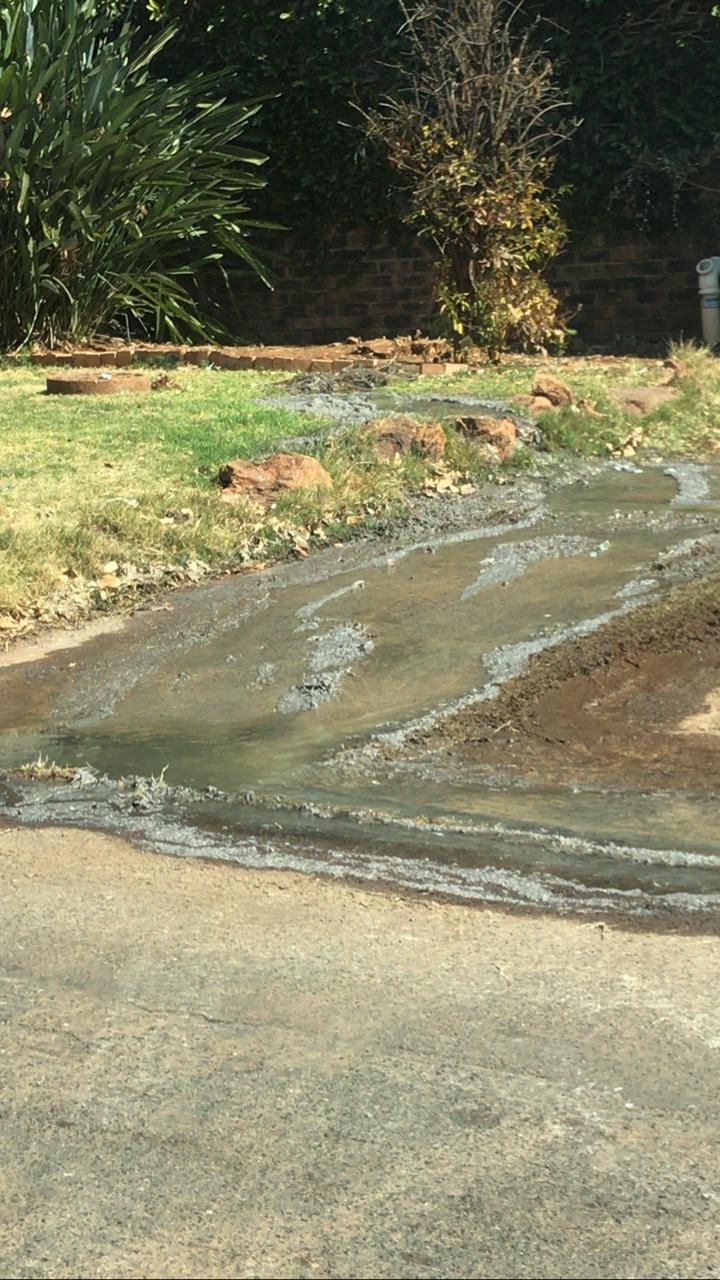
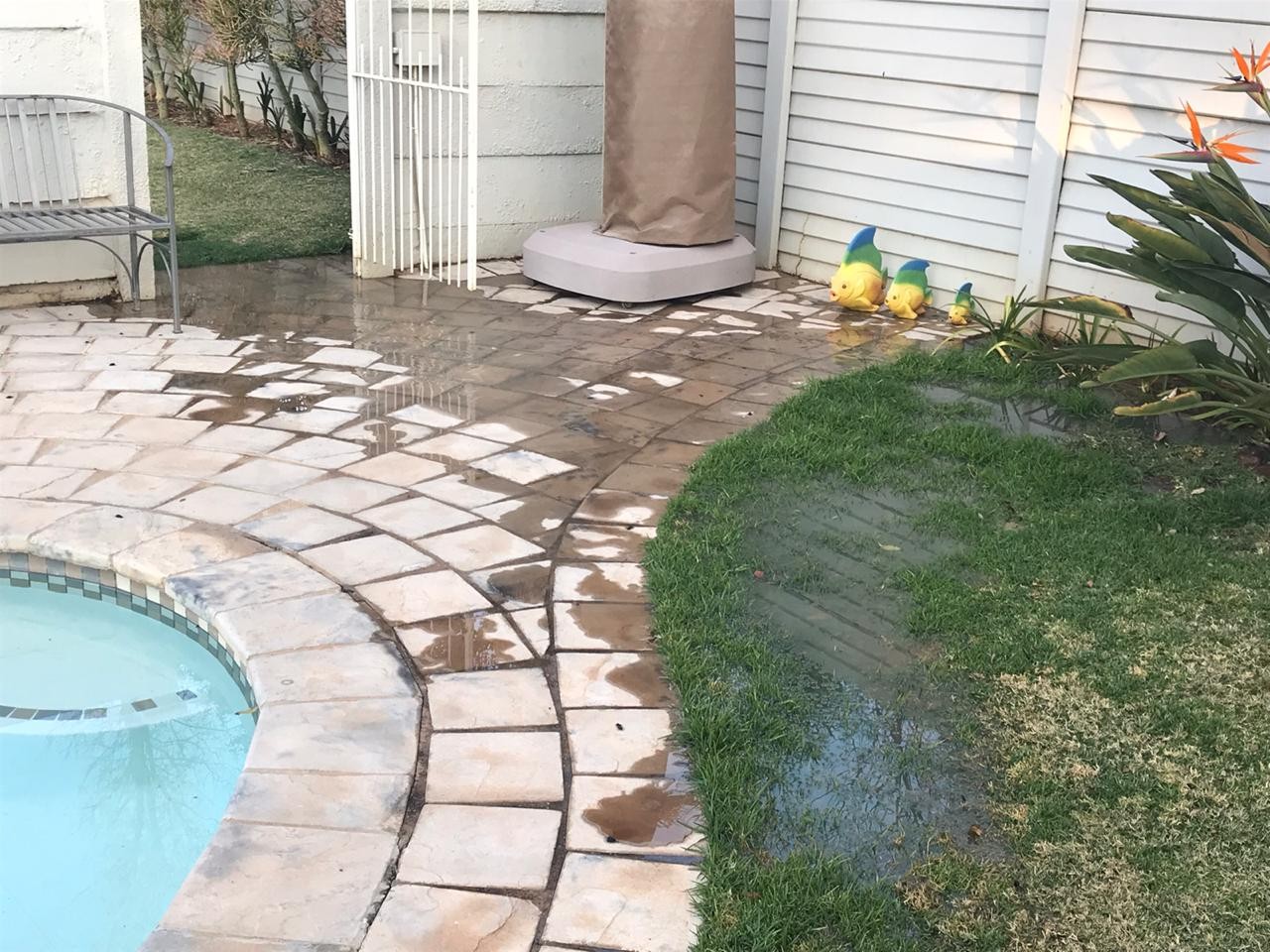
In Lynnwood, on the corner of Kingsway and Rosemary streets, a sewage pipe had been leaking for over two weeks with no one attending to it.
“These are germs flowing on the streets, into some of our yards,” said elderly resident Brigalia Bam.
Bam said it was disappointing that ratepayers were subjected to such poor services.
“It is not a favour they would be doing for us, it is an obligation they have towards us.”
Bam said she and many other residents have made various calls to have the leak fixed to no avail.
She said having to face the Covid-19 pandemic was challenging, but doing it while facing health hazards such as leaking sewages and bags of uncollected rubbish made it harder.
In the same neighbourhood on 26th Street, people dumped rubbish outside the garden refuse site, obscuring the entrance and sidewalks.
Ward councillor Siobhan Muller said it was critical that the metro gets services to the residents and deal with the backlog as soon as possible.
“The huge backlog that was there before the strike which was as a result of the administrator putting working teams on ‘lockdown’ skeleton staff, is going to have to be dealt with,” she said.
“They need to lift the skeleton staff and get everyone back all teams out there to work,” Muller said.
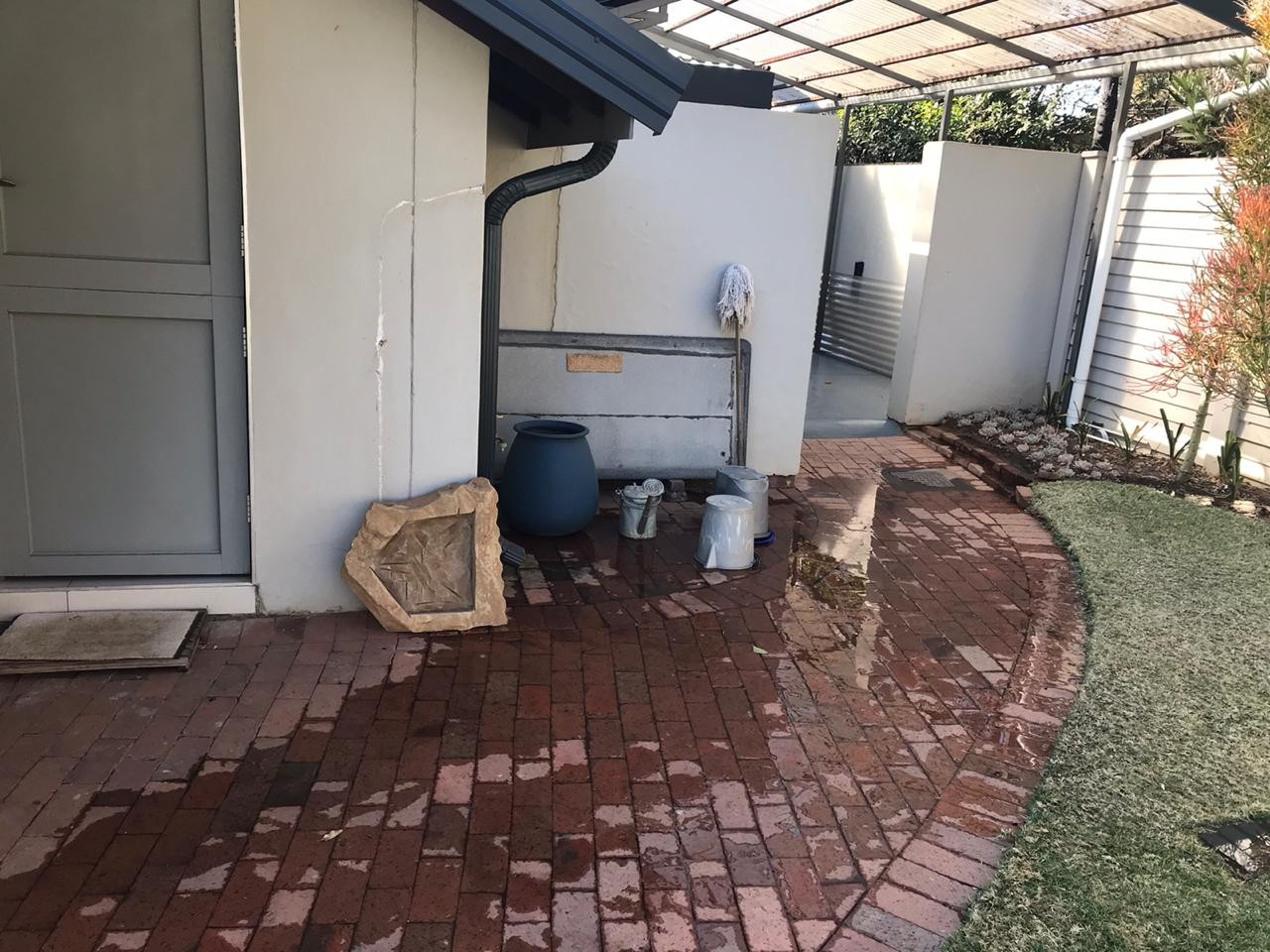
In Garsfontein on Maynard Street, the municipality still had not fixed leaking sewage that was flooding three yards for three weeks.
Residents in Olympus, Silver Lakes and Zwavelpoort have been experiencing random electricity supply with very slow turnaround time.
Do you have more information about the story? Please send us an email to editorial@rekord.co.za or phone us on 083 625 4114.
For free breaking and community news, visit Rekord’s websites:
For more news and interesting articles, like Rekord on Facebook, follow us on Twitter or Instagram