Substance usage linked to a growing number of youth psychosis cases
Late adolescents and people in early adulthood are at the highest risk of substance abuse-induced psychosis.
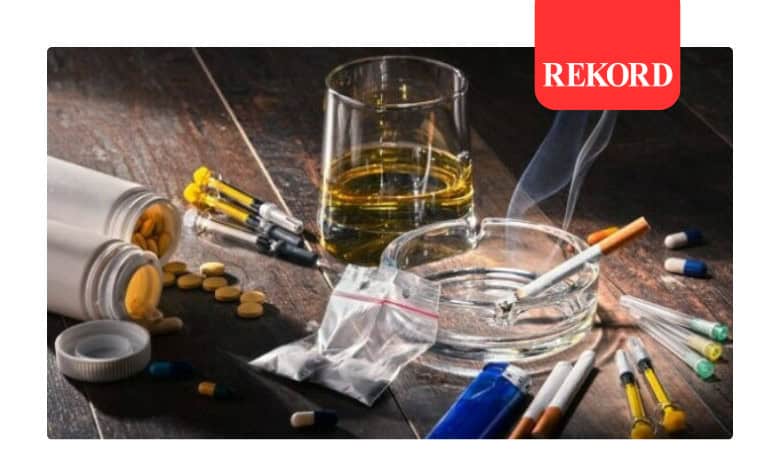
The Gauteng Department of Health (GDoH) is asking young people to seek help for substance abuse-related issues, as the nation commemorates the South African National Council on Alcoholism and Drug Dependence (SANCA) National Substance Awareness Week.
Under the theme ‘Breaking the Chains: Prevention, Treatment, and Recovery for All’, the week aimed at promoting the prevention, treatment, and recovery of substance use took place from June 22–27.
According to the GDoH, healthcare professionals note that a significant number of patients presenting symptoms associated with psychosis are often also struggling with substance abuse.
The department said these observations emphasise the importance and need for early intervention, treatment, and community awareness.
“Substance-induced psychosis is a serious mental health condition that occurs when alcohol or drugs directly affect the functioning of the brain, causing individuals to lose touch with reality.
“During an episode, a person may hear voices, see things that are not there, develop false beliefs, experience confused thinking or display unusual behaviour,” said GDoH spokesperson Steve Mabona.
Social withdrawal and loss of interest in daily activities, poor personal hygiene and self-care, sudden changes in behaviour, sleep patterns or daily functioning are also signs.
“The department warns that the risk of developing substance-induced psychosis is influenced by several factors, including the type of substance used, early initiation of substance abuse, family history of mental illness, previous trauma, severe stress and certain medical conditions. In some cases, substances such as cannabis, methamphetamine, cocaine, alcohol and other illicit drugs have been associated with an increased risk of psychosis,” Mabona said.
Psychosis commonly develops during late adolescence and early adulthood, meaning that young people are particularly vulnerable to substance-related mental health conditions.
Members of the public are encouraged to visit their nearest clinic, community health centre or hospital should they be dealing with substance-use or mental health issues, as early intervention can improve recovery outcomes and reduce the risk of long-term damage.
“Every household is dealing with substance use in some way, shape or form. Addiction is one of the most common challenges families face today. This doesn’t happen to other people down the road or in another community – this is our community, our families, and our loved ones,” said Tebogo Ramadiro, South African Depression and Anxiety Group (SADAG) substance abuse co-ordinator.
Ramadiro said that even in 2026, asking for help with a mental health issue can cause concern among people in fear of being judged or stigmatised, and that this is a mentality shift that needs to take place in society.
“Over the years, we have seen addiction increase, and many people are also struggling with other challenges at the same time, such as alcohol and drugs, online gambling, and cannabis, and often a combination of different struggles, including mental health, trauma and chronic illness.
“Because of the shame and stigma often linked to addiction, many people hesitate to ask for help. The impact is also felt by the whole family, with loved ones facing emotional stress, financial strain, broken trust, mismanaged finances, and in some cases, theft or dishonest behaviour linked to a person’s addiction,” Ramadiro added.
Support group leader for Family and Friends of People Who Use Substances, Raylene Patrick, said families play a critical role in assisting someone during recovery from substance abuse. Patrick calls on families to not judge or shun a relative in need of help with an addiction, as this approach can worsen their circumstances.
“Families are often the ones carrying the weight of a loved one’s substance use issue, yet their struggles are rarely seen or talked about,” Patrick said.
“Many feel alone, overwhelmed, and unsure of where to turn for help. That’s why it is so important to create safe spaces where families can speak openly, share their experiences, and receive support without judgement.
“Support groups remind people that they are not alone, that their feelings matter, and that there is hope. When families are supported, they are better able to care for themselves and navigate the challenges they face,” she said.
Under their own theme of Supporting the Supporters, SADAG said anyone who is supporting a loved one with a substance use problem should reach out for help on the Ke Moja WhatsApp Chat Line on 087 163 2025 (available Monday to Friday, 08:00–17:00). Alternatively, call SADAG’s toll-free 24-hour substance use helpline on 0800 12 13 14.
Do you have more information about the story?
Please send us an email to bennittb@rekord.co.za or phone us on 083 625 4114.
For free breaking and community news, visit Rekord’s websites: Rekord East
For more news and interesting articles, like Rekord on Facebook, follow us on Twitter or Instagram or TikTok or WhatsApp Channel