
State of municipalities worry parliamentary body
“It is unsustainable to have water losses of R1-billion in Tshwane.”
Water and electricity losses, wasteful expenditure and dysfunctional municipal public accounts are only a few of the problems dogging municipalities in Gauteng, including Tshwane.
This was according to the portfolio committee on co-operative governance and traditional affairs (Cogta).
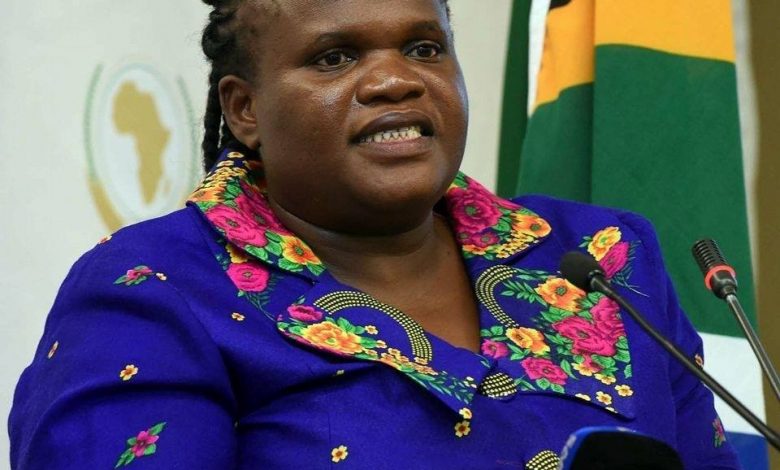
“The general state of municipalities is of major concern,” said committee chairperson Faith Muthambi.
According to her, five of the 11 municipalities’ public account committees had not been approved by the 2019/20 annual plan.
Muthambi said the committee had called on the councils of Tshwane, Ekurhuleni, West Rand and Midvaal to conclude and approve their municipal annual plans.
High water and electricity losses were also worrying.
ALSO READ: Municipalities to take legal action against lockdown land invaders
“These losses put pressure on cash flow and contribute to poor service delivery. It is unsustainable to have water losses of R1.3-billion in Johannesburg, R1-billion each in Tshwane and Ekurhuleni,” Muthambi said.
The committee urged municipalities to deal with customers who accessed water services illegally and to address inaccurate billing.
The committee also called on municipalities to urgently address the high number of councillors behind on their municipal bills.
“Out of eight municipalities reporting councillors in arrears amounting to R1.7-million in total, only Merafong has no councillors in arrears.”
Muthambi said this behaviour had fostered a general culture of non-payment, as residents followed the example set by councillors.
Regarding unauthorised, irregular and fruitless expenditure, the committee was concerned that in Gauteng 77% of unauthorised expenditure for the 2018/19 financial year, and prior years, was still to be addressed.
She said this equated to an amount of R7.2-billion.
“This concerning picture requires collaborative effort in ensuring that we make municipalities viable vehicles to deliver services to the people,” she said.
ALSO READ: Tshwane loses R1.2-b as Covid-19 bites municipalities
She said the committee appreciated the commitment highlighted by the provincial government in offering support to municipalities.
The committee encouraged further support by both national and provincial government to municipalities to ensure their financial viability.
Muthambi also decried the high vacancy rate in Gauteng municipalities.
“The high vacancy rate of supporting senior manager posts is a concern. In the Johannesburg metro, there is a 42% vacancy rate, Sedibeng has a 50% vacancy rate, Lesedi and West Rand are at 33% vacancy rate and Merafong is standing at 42%,” (Tshwane figures were not yet available at the time of going to print).
She said this rate could be attributed to the lack of strategic direction and lack of financial prudence in the municipalities.
“While the committee acknowledges challenges in recruiting adequately skilled personnel for those positions, it believes these challenges can be overcome.”
Muthambi said as public representatives, the committee was enjoined by the constitution to hold the executive accountable to ensure that taxpayers’ monies were spent accordingly for the benefit of the people.
She said their oversight visit to Tshwane was needed to ensure that the residents received quality service delivery from their municipality.
Do you have more information about the story?
Please send us an email to editorial@rekord.co.za or phone us on 083 625 4114.
For free breaking and community news, visit Rekord’s websites:
For more news and interesting articles, like Rekord on Facebook, follow us on Twitter or Instagram


