Reclaiming her life 10 years after suffering a stroke
“A few days prior to my stroke I did experience a headache. It was constantly there, but I didn’t tell anyone.”
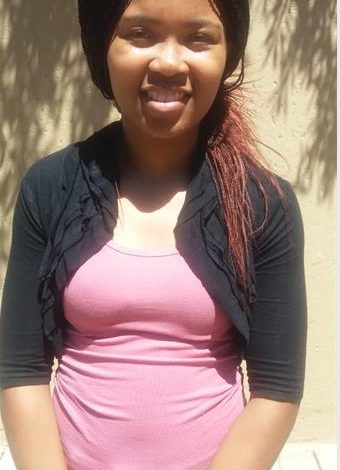
A 27-year-old Silverlakes woman has shared the details of her stroke a decade ago, in hope that it would help save other people’s lives.
At the age of 17, Letlhogonolo Modise went through a life-changing experience that led to her being paralysed, unable to speak and partially blind.
Three weeks into her matric year at the Christian Brothers’ College Modise suffered a stroke.
“It was a Saturday, and we had choir rehearsal that day,” she said.
“A few minutes after we started warming up I started to feel weird. It felt like something was moving in my head.”
She ran outside thinking some fresh air would help, but it didn’t.
Her confused friends gathered around her.
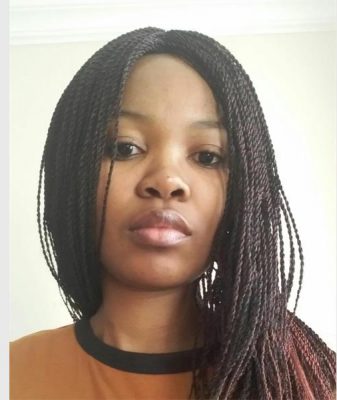
“I ended up lying on the floor with my eyes closed but I could hear my friends still discussing what to do. One of my friends was crying,” she recalled.
“My friends decided to contact my mother.”
Her mother was in the area and she came immediately and rushed her to hospital where it was discovered that Modise was suffering from a hemorrhagic stroke and had to get an operation.
“A nurse was trying to get me to respond. I could hear her but I couldn’t open my eyes or speak. That was the last thing I remember,” she said.
“A few days prior to the stroke, I did experience a headache. It was constantly there, but I didn’t tell anyone.”
After the stroke Modise said she struggled to use her right eye and had difficulty swallowing, instead feeding through a tube.
“I struggled to use my right hand and arm, which meant I could not do much for myself as I am right-handed,” she said.
“I was taught to sit up so I could use a wheelchair.”
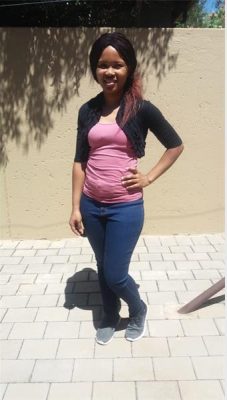
She had to be taught how to do everything again including walking, writing and regaining her memory.
She missed out on doing her matric in 2010 as she was recovering.
“Once my friends started university, that’s when reality hit. That’s when I realised their lives were still progressing while I started a new school. I had to start my matric again.
“I struggled writing my finals. I taught myself to write. I carried on using my right-hand. I got extra time for my finals but I mostly used it to rest. My hand was sore because I pushed myself to write faster.”
The 27-year-old said her balance was still a problem and she still feared her memory not knowing if she has written enough to pass.
Currently studying a degree in marketing management at Unisa, Modise has started her own foundation which aims to assist stroke survivors to navigate their way through life and to attain their independence.
READ MORE: Children among 27 injured as school bus overturns in Centurion
“My family and I struggled to find facilities that accommodate disabled people so this foundation assists people to find those facilities on their behalf in order to lessen the time they would spend finding it themselves,” she said.
According to the World Stroke Organisation, having a stroke was the leading cause of disability worldwide and the second leading cause of death.
A staggering one in four adults will suffer a stroke of some kind in their lifetime.
“If we can all just know the basics and take care of our health, we’d probably have less people going through a stroke and less people passing away from them,” Modise said.
Through Facebook, Modise’s foundation educated people and offered support groups for those in need.
Professor Andre Mochan, a neurologist who practises at a Netcare rehabilitation hospital said he observed that every day, close to 240 people in the country suffered a stroke and almost 70 of them died from it.
Mochan said that “A stroke occurs when a blood vessel carrying oxygen and nutrient-rich blood to the brain either gets blocked or bursts.”
This resulted in damage to cells in that part of the brain, leading to symptoms and signs of stroke.
“Having a stroke is very similar to what happens to the heart during a heart attack and is therefore aptly referred to as a ‘brain attack’,” he said.
“What is important to note, and is not widely realised, is that most strokes are preventable by leading a healthy life and by treating and managing risk factors like high blood pressure, cholesterol and diabetes in association with your doctor.”
Do you have more information about the story?
Please send us an email to editorial@rekord.co.za or phone us on 083 625 4114.
For free breaking and community news, visit Rekord’s websites: Rekord East
For more news and interesting articles, like Rekord on Facebook, follow us on Twitter or Instagram