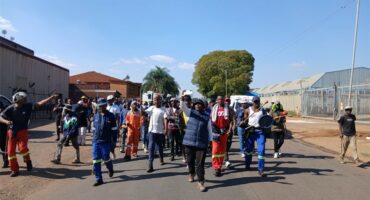
VIDEO: Flamingo project concludes with 1 000 rescued birds
Bolhuis expressed his sincere gratitude to the volunteers who assisted him and his team with the flamingo project.
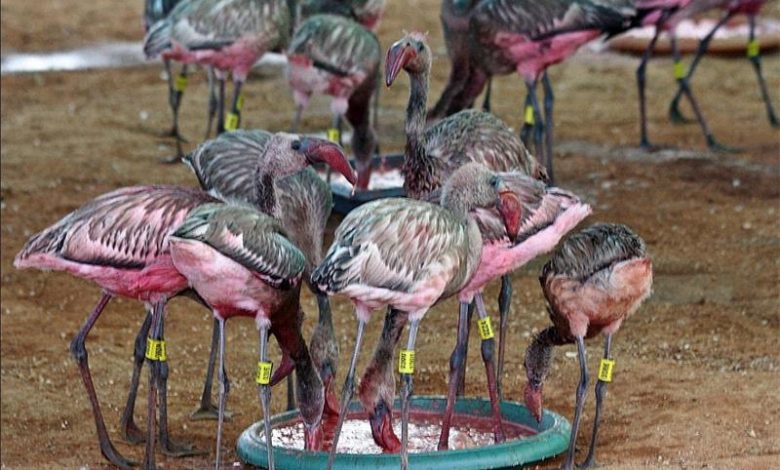
The Mike Bolhuis Flamingo Project came to a successful conclusion this year after experiencing some hiccups due to Covid-19 at the subsequent national lockdown.
“One of the biggest challenges we faced this year was travel permits and quarantine during lockdown. We had to continue transporting the rehabilitated flamingos to their home in Kimberley, but this was challenging due to the lockdown,” said Bolhuis.
In January 2019, Bolhuis and his team removed thousands of flamingo chicks from the Kamfer Dam in Kimberley, as they faced certain death due to extreme drought in the area.
A national outcry led to a project launched to assist these chicks and nurse them back to health by volunteers.
According to Bolhuis, each time a new group of flamingos were transported back to Kimberley, they had to be quarantined for one month.
“Transporting indigenous and endangered species carry huge administrative responsibilities. You require tonnes of paperwork like permits, import and export permits, removal permits and much more.
“If you move any kind of bird, you require travel permits that allow you to move them from one province to another. This is important now to not spread any diseases,” he explained.
Another issue is water testing and analysing the food requirements for the birds.
Bolhuis said that one positive aspect is that the birds bred quite well over the last two years, and that the Kamfer Dam saw less difficulties which will make the adoption process easier on the flamingos.
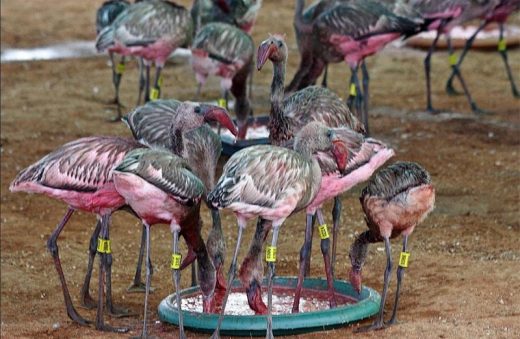
“There are still minor issues like theft of eggs and other wild animals. But the community members are now aware of potential threats to the area and they don’t hesitate to report these issues.
“Another challenge we’re experiencing now is the type of transportation that is used for the flamingos. We prefer to fly them to Kimberley, but when we can’t they are transported in boxes on a long, flat trailer. This is to ensure they don’t get injured because they have very vulnerable, long legs,” Bolhuis explained.
Even the slightest twist can result in an injury.
Even though the project had concluded, about 200 must still have to be released into their natural habitat soon.
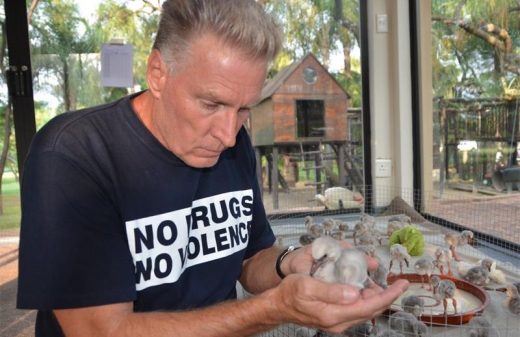
“Some of them have been under the influence of humans or under the care of humans for very long, which makes it almost impossible for them to return to the Kamfer Dam.
“When they ‘imprint’ on humans, they become completely dependent on human care and contact, which then hinders their normal way of life and survival.”
Bolhuis confirmed that the flamingos who have either imprinted on humans or who suffered irreparable injuries like losing their sight, balance problems or sustained broken wings or legs will be kept in Pretoria for research purposes or for breeding.
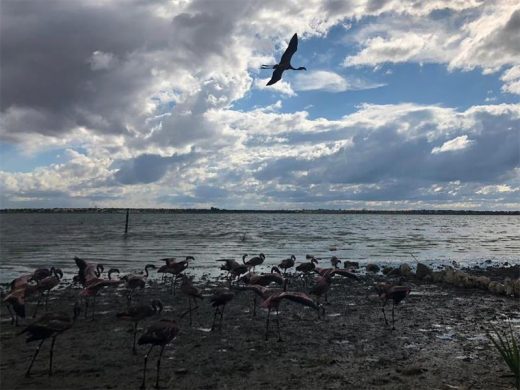
“We completed the entire project and achieved everything we wanted with these animals. Around 1 000 flamingos were rescued from the 2 134 that were jeopardised.
Bolhuis expressed his sincere gratitude towards the volunteers who assisted him and his team with the flamingo project.
If you would like more information on any of his projects, click here:
https://www.facebook.com/pages/Mike-Bolhuis/699211183522411?fref=ts
Watch the video on how the flamingos were fed:
The flamingos return to the Kamfer Dam:
Do you have more information about the story?
Please send us an email to editorial@rekord.co.za or phone us on 083 625 4114.
For free breaking and community news, visit Rekord’s websites: Rekord East
For more news and interesting articles, like Rekord on Facebook, follow us on Twitter or Instagram