Parents urged to be cautious of cyberbullying during Covid-19 outbreak
''While many social media platforms are taking their policies seriously when it comes to reducing cyberbullying, children remain at risk and more still needs to be done. Now is the time for parents to be proactive in speaking to their children about online safety and cyberbullying.''
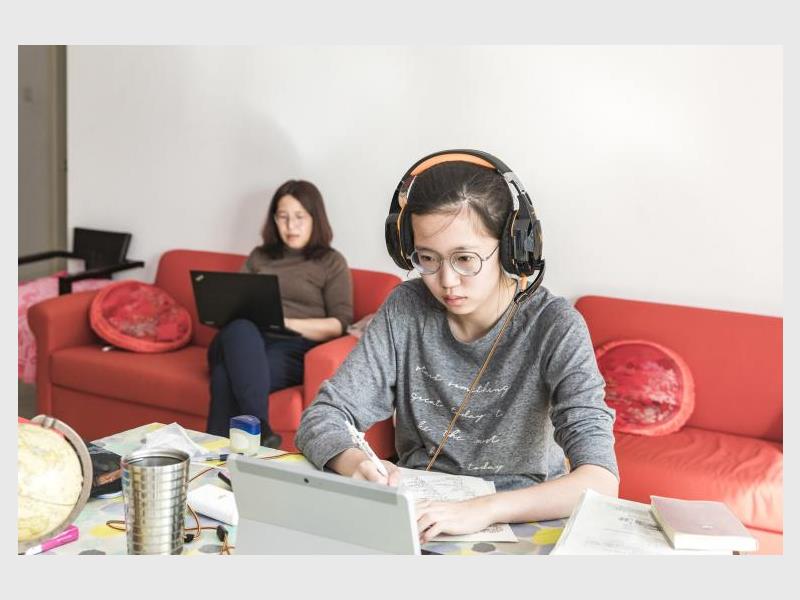
With many turning to the internet for entertainment, education and work during the lockdown, a growing number of children have faced cyberbullying as schools partially operated online platforms during Covid-19 outbreak.
According to research by market research company, Ipsos, in June South Africa showed the highest prevalence of cyberbullying, based on a majority (54%) of parents who know of a child in their community who had been the victim of cyberbullying, 24 percentage points up from 2011.
In wake of this, 1st for Women insurance has embarked on a campaign to urge parents to stand-up against cyberbullying that has the ability to negatively affect children’s emotional well-being.
1st for Women insurance’s Casey Rousseau said this as, 20 November marked international “stand up to bullying day”.
Rousseau believed the threat of being cyberbullied increased during the Covid-19 outbreak as more children were on their phones during this time.
“While many social media platforms are taking their policies seriously when it comes to reducing cyberbullying, children remain at risk and more still needs to be done. Now is the time for parents to be proactive in speaking to their children about online safety and cyberbullying.”
ALSO READ; Cyber bullying and teen girls: Know the dangers
Although parents cannot always control the internet and social media usage of children, Rousseau said it was important for parents to equip themselves and children as best as possible to deal with bullying.
SaveTNet cyber safety founder and author of Raising a SCREEN SAVVY Child, Rianette Leibowitz said parents should take note of different types of cyberbullying.
“Cyberbullying is a process of using the internet and digital platforms to intentionally embarrass or hurt someone. To help them deal with this, children need cyber savvy parents. You can join groups on social media, attend seminars and also see what educational sessions your children’s schools might be offering,” she said.
Previously, the United Nations International Children’s Emergency Fund (Unicef) warned parents that children were at increased risk as their lives moved increasingly online during lockdown.
Unicef’s Dr. Howard Taylor said the pandemic had led to an unprecedented rise in screen-time.
ALSO READ: Private investigator’s anti-bullying project aimed at saving lives
“School closures and strict containment measures mean more and more families are relying on technology and digital solutions to keep children learning, entertained and connected to the outside world, but not all children have the necessary knowledge, skills and resources to keep themselves safe online.”
Leibowitz offered these tips:
– Educate your children on what cyberbullying is, what the signs are and how to recognise it. Help them to identify and articulate this in their own language.
– Check out the privacy settings, terms and conditions and usage rights of the platforms your children are on.
– Adhere to age restrictions specified by the platforms.
– Use parental control apps and set up a social media or internet usage agreement with your children so that you are both on the same page of what is acceptable or unacceptable online behaviour.
– Be interested and involved in your child’s online world and have regular conversations about the friends they meet, the games they play and the risks involved.
– Understand that even if an account is set to private, and other users cannot see your children, they are still being exposed to the content. Guide them to make informed and good decisions when it comes to the content they consume.
South Africa has a hotline for reporting online child sexual abuse, which is the Childline South Africa and also offers counselling and support to children, 0800-055-555.
Do you have more information about the story?
Please send us an email to editorial@rekord.co.za or phone us on 083 625 4114.
For free breaking and community news, visit Rekord’s websites: Rekord East
For more news and interesting articles, like Rekord on Facebook, follow us on Twitter or Instagram