Recycling at home: Easy steps you can follow to make a big difference
"Household recycling doesn’t need to be overwhelming, it’s quite simple actually. Many people still think it is a difficult process and that their waste will in any way be recycled, but it’s not, unless you have informal waste pickers in your suburb."
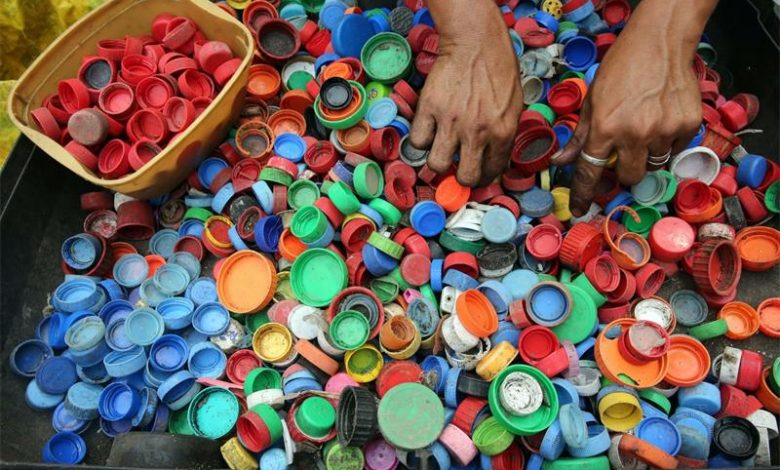
Waste management and pollution in Pretoria is becoming a headache, not only to residents but the effects it on our environment is apparent and concerning.
Tarryn Johnston from Hennops Revival in Centurion told Rekord that the recycling process in the city of Tshwane or actually the lack thereof had an astronomical effect on our rivers, and subsequently on our entire ecosystem.
“We found when the homeless dig through the black bins on dustbin day, they collect recyclable items that they sort from each other and sell them to recycling companies. They get paid per bag of recyclable items for instance, which is a good thing, right?
“But what ordinary residents don’t realise, is that throwing all your trash in one black bag, spoils some of the recyclable items they collect to then sell and make a living of.
“These guys have to then wash their recyclables in the only available water source they have, our city’s river waters. This creates a snowball effect and it pollutes our waters immensely. Add on all the other waste that gets dumped into the water… the problem is never-ending and the ‘source’ of our problem stems from multiple places,” she told Rekord.
In an attempt to teach the residents of Pretoria proper recycling practices, Rekord spoke to Chene van Staaden from EnviroServ Waste Management.
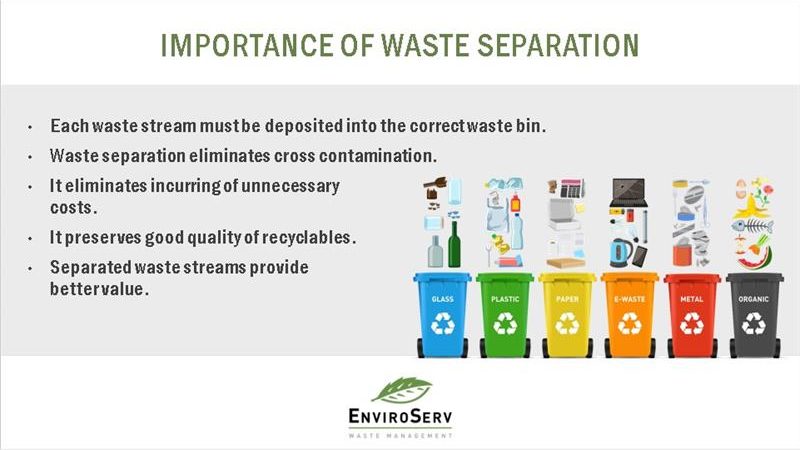
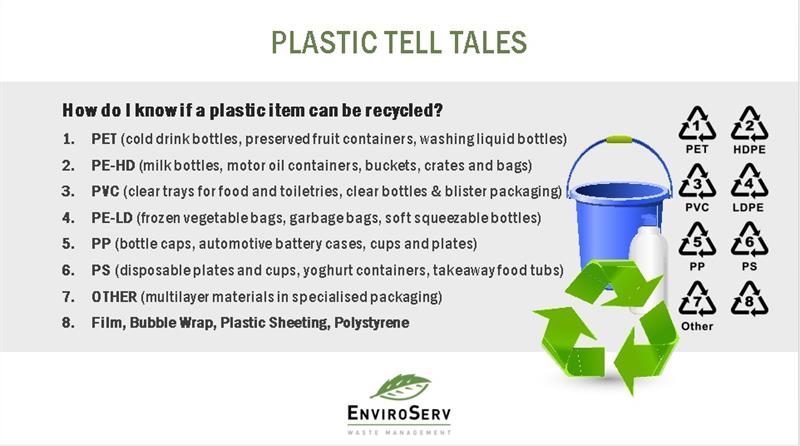
“It is not hard to implement inexpensive, easy to understand recycling practices at home. Most common household recyclables would have a triangle on with a recycling reference number inside – your basic types of plastic, paper, metal and glass. All these types of material can be recycled except if it has a number 7 on it. This means it’s a multi-layered material so different types of plastics combined,” she told Rekord.
1. Metals that can be recycled:
– Cold drink and beer cans
– Food tins
– Metal lids of glass jars
– Aluminium cans (eg, Red Bull), foil and foil packaging
– Batteries
– Paint, oil and aerosol cans (leave labels on them so recyclers can see whether they contain hazardous material)
2. Paper that can be recycled:
– White office paper
– Magazines and books (as long as nothing is laminated)
– Newspaper
– Cardboard (boxes and cereal boxes)
3. Glass that can be recycled:
– Beverage bottles
– Food jars such as tomato sauce, jam and mayonnaise bottles
4. Food waste
According to Van Staaden, the Bokashi systems are available for food waste composting. The process each recyclable item follows is exceptional.
This is what happens to your most common recyclable items:
Steel:
The process of metal recycling involves four stages. Metal is collected by scrap yards, where it is sorted into bins. Any nonferrous metal items that have a component of steel or iron is treated as scrap steel. Scrap metal centres then sell the scrap to larger super collectors where it is shredded and then melted in furnaces at high temperatures to produce blocks, ingots or sheets to be sold to manufacturers of metal products.
Aluminium and steel cans:
Typically food cans are made from steel, which can be melted down and turned into new food cans. Drinks cans are generally thinner and lighter and made from aluminum, which can also be recycled very easily. Aluminium recycling is the process by which scrap aluminium can be reused in products after its initial production.
“The process involves simply re-melting the metal, which is far less expensive and energy-intensive than creating new aluminium through the electrolysis of aluminium oxide (Al2O3), which must first be mined from bauxite ore and then refined using the Bayer process. Recycling scrap aluminium requires only 5% of the energy used to make new aluminium from the raw ore,” Van Staaden said.
All plastic and steel drums:
Steel drums: Recondition and re-use drum, re-use scrap steel. Plastic drums: Wash, recondition and re-use drum, use scrap chip to make plastic products eg, dustbins and garden furniture.
Cardboard cores:
A custom composite packaging-can designed for cosmetic, promotional, wine and spirits, supplements, certificates, food packaging and shelzie (scented) drawer liners.
PET (food containers and cool drink bottles):
Plastic drinks bottles are usually made from a type of clear plastic called PET (polyethylene terephthalate) and can be turned into such things as textile insulation (for thermal jackets and sleeping bags).
Other HD plastics (shampoo and lotion bottles):
Milk bottles tend to be made from a thicker, opaque plastic called HDPE (high-density polyethylene) and can be recycled into more durable products like flower pots and plastic pipes.
Polystyrene:
The term polystyrene means that the plastic is derived from styrene, a liquid hydrocarbon. When heated, monomer styrene molecules link together into long chains, creating a polymer material that’s solid when it cools to room temperature. This material is used in coolers, home isolation, packaging material, ceilings and cornice.
Glass:
Glass is very easy to recycle; waste bottles and jars can be melted down and used again and again. You simply toss old glass into the furnace with the ingredients you’re using to make brand-new glass.
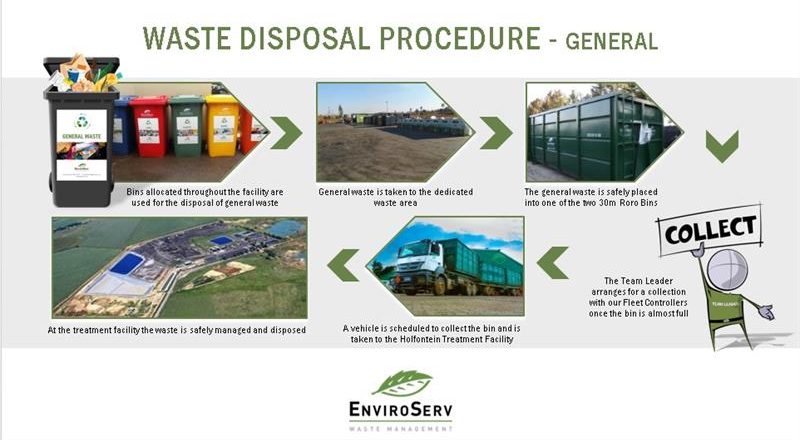
“If your household waste is not properly and correctly recycled, it gets contaminated with various other products and makes it almost impossible to recycle so it ends up at a landfill facility. This is a specially engineered cell with liners and draining systems, designed for the disposal of waste materials by burial. It has evolved over the years.”
Van Staaden continues to say that if all households committed to recycling correctly, the positive effects on land pollution will be exceptional.
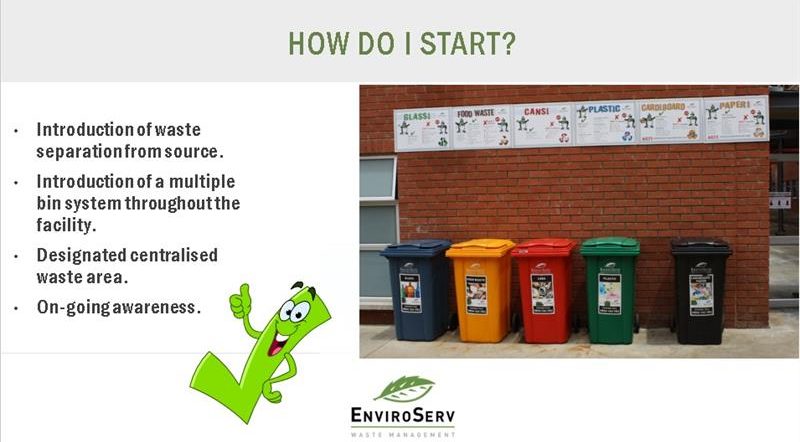
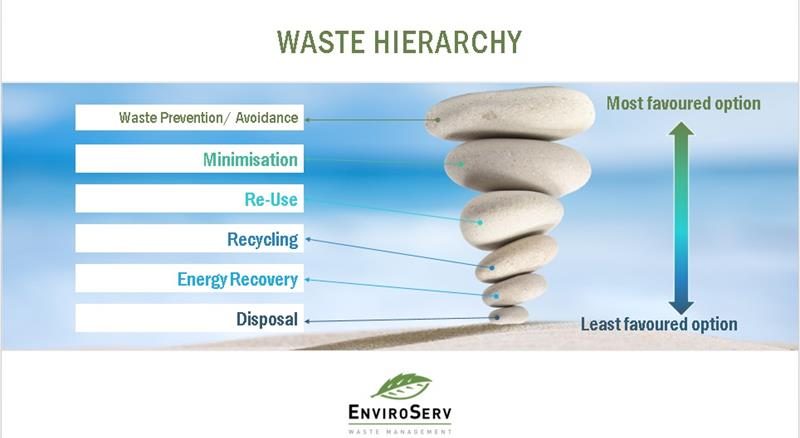
“Less waste sent to incinerators means we save energy and simultaneously reduce air pollution. Less energy is also used in manufacturing new products as oppose to sourcing/ importing raw material. More jobs opportunities are created in the relevant job sectors, which is great for the economy in terms of alleviating poverty, and it contributes to a cleaner, greener and healthier environment overall.”
Household recycling doesn’t need to be overwhelming, it’s quite simple actually.
“Get yourself a recycling bin, and a general waste bin, and anything that has a recycling code on, rinse it out while doing your dishes and place it in the recycling bin. There is no need to separate when you are taking the material to your nearest recycling or buy-back centre. There are various platforms available to see where your nearest facility is located, some of them even collect for free.
“Many people still think it is a difficult process and that their waste will in anyway be recycled, but it’s not unless you have informal waste pickers in your suburb who comb through the dirt bins on waste days, looking for recyclable waste,” she concludes.
Do you have more information about the story?
Please send us an email to editorial@rekord.co.za or phone us on 083 625 4114.
For free breaking and community news, visit Rekord’s websites: Rekord East
For more news and interesting articles, like Rekord on Facebook, follow us on Twitter or Instagram