Power cuts can mean the death of us
Two Pretoria east men who shared their experience with load-shedding explained how power cuts could potentially cost them their lives.
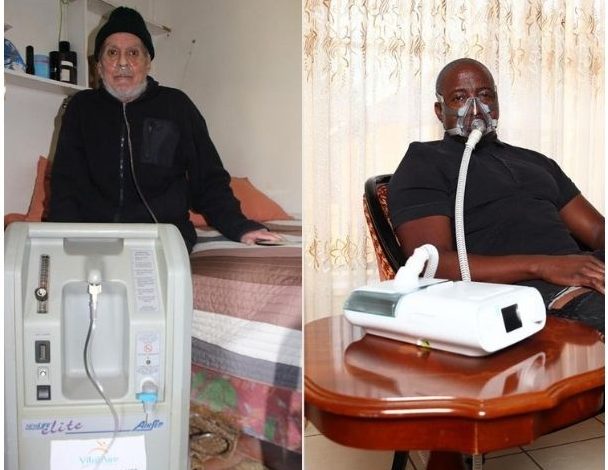
While load-shedding can be an inconvenience to many people in the country, for some these power outages could cost them their lives.
Two men in the east of Pretoria, who depend on electronic machines to treat life-threatening medical conditions, have shared the hardship of being without electricity when their lives literally depend on it.
Stuart Hunter (61) was diagnosed with emphysema, a lung condition that causes shortness of breath, in 2019.
Hunter, who lives in Hatfield, depends on an oxygen booster machine to manage his condition daily.
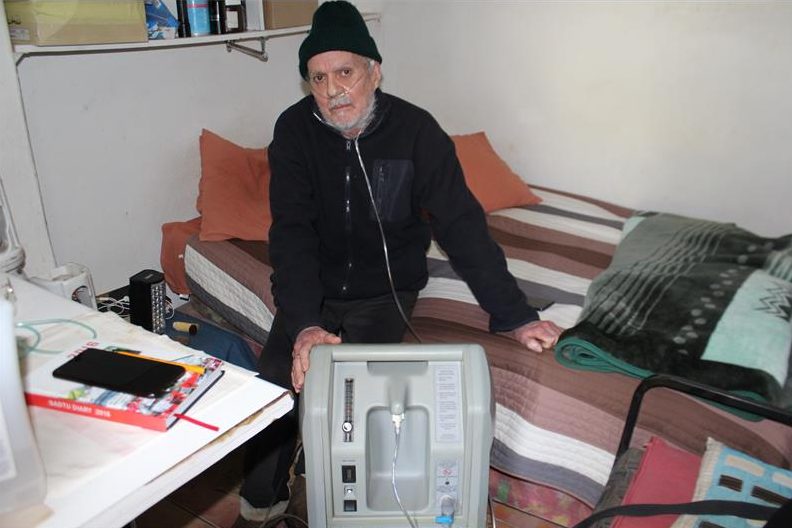
“The booster machine runs on electricity and when there is a power outage, it doesn’t work,” he said.
“So I get very anxious during power outages.”
Hunter, who is being treated by public hospitals, said he had to arrange for an additional oxygen cylinder to use when the electricity is off.
Even so, the cylinder has a lifespan of about six hours. Thus on some days, prolonged outages cause him panic as he counts down the hours until his oxygen is out.
“When the six hours is nearly done and there is no sign of the electricity coming back, I have to call the ambulance,” he said.
“The ambulance will then give me oxygen, while they drive me to a nearby facility.
“I need the oxygen to help me breathe.”
In recent weeks since Eskom’s load-shedding started again, some parts of Pretoria have been experiencing prolong power outages due a trip on the grid.
According to the utility service MMC Phillip Nel, the metro’s electrical distribution systems were not designed for continuous load-shedding conditions.
Hunter’s condition prevents him from running errands or spending time outdoors as he is mostly indoors and connected to the machine.
“I am on the oxygen 80% of the time,” he said.
“A mobile machine that uses rechargeable batteries costs about R35 000. I simply cannot afford it.”
The oxygen booster machine, which he uses, has a tube which he connects to his nostrils, pumping oxygen into his lungs.
Without his oxygen, Hunter could die.
“I constantly have paramedics and doctor’s contact numbers handy in case something happens,” he said
Another man from Meyerspark, who uses an automated Continuous Positive Airway Pressure for his sleep apnea, told Rekord that load-shedding is a big problem.
Sleep apnea is a potentially serious sleeping disorder in which breathing repeatedly stops and starts.
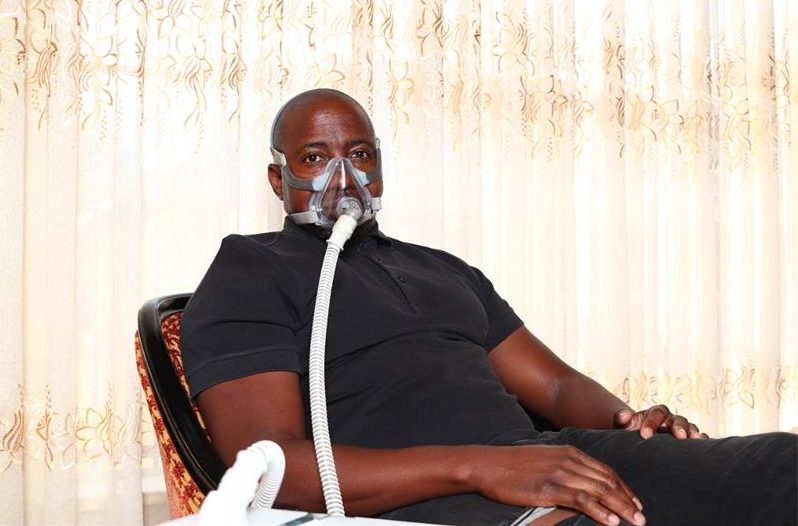
Karabo Kotsedi (36) said he needed the machine daily when going to sleep at night to regulate his breathing.
“Anytime I have to sleep, I need a plug point for my machine. Even during naps I require the machine,” he said
“According to a report by my doctors I was having 21 episodes of not breathing an hour. Each episode is an average 18 seconds. The longest episode was 47 seconds.”
Kotsedi said load-shedding has been difficult on him even more so when it gets to stage four.
He said depending on the schedule he sometimes could not sleep without power as this was risky for a person whose breathing stopped while sleeping.
The 36-year-old, who runs a full turnkey office and interior design company with a high school friend, said this affected his productivity rate.
“Waking up tired means one can’t be as productive,” he said.
“Emails are delayed and perception of service is compromised. That doesn’t bode well for a company redefining and wanting to be a top player.”
With Eskom having put a hold on load-shedding, the two men and many others like them, can only breathe a sigh of relief.
* Notice: Coronavirus reporting at Caxton Local Media aims to combat fake news
Dear reader,
As your local news provider, we have the duty of keeping you factually informed on Covid-19 developments. As you may have noticed, mis- and disinformation (also known as “fake news”) is circulating online. Caxton Local Media is determined to filter through the masses of information doing the rounds and to separate truth from untruth in order to keep you adequately informed. Local newsrooms follow a strict pre-publication fact-checking protocol. A national task team has been established to assist in bringing you credible news reports on Covid-19.
Readers with any comments or queries may contact National Group Editor Irma Green (irma@caxton.co.za) or Legal Adviser Helene Eloff (helene@caxton.co.za).
Do you have more information about the story?
Please send us an email to editorial@rekord.co.za or phone us on 083 625 4114.
For free breaking and community news, visit Rekord’s websites: Rekord East
For more news and interesting articles, like Rekord on Facebook, follow us on Twitter or Instagram