Deal with the trauma of hijacking
For most people, such an event overwhelms their usual coping capacity and negatively affects their everyday life.
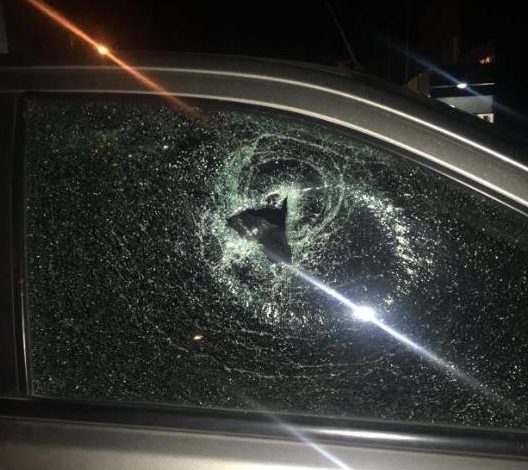
With hijacking on the rise over the past six months, many victims are finding it hard to cope after the ordeal.
According to crime statistics released by police earlier this year, 4 513 carjackings were reported countrywide in the first three months of 2021.
This was a 4.9% increase compared to the same period last year.
Local police have confirmed that there has been a sharp increase of hijacking cases, especially on highways.
For most people, such an event overwhelms their usual coping capacity and negatively affects their everyday life.
“Hijacking victims usually experience flashbacks of the event,” said Elsabé Engelbrecht, founder member and CEO at Procare.
“There are a number of typical trauma symptoms, including changed sleep and eating patterns, chronic tiredness, skin rashes or outbreaks, hair loss, reduced concentration and forgetfulness.
“Someone who has been through a traumatic experience like a hijacking could feel anxious, tearful, sad, angry, depressed or suspicious.”
Engelbrecht said some people can, however, have a healthy stress response and get over such a traumatic event quite quickly.
“For others, the initial trauma may, unfortunately, later lead to a period of post-traumatic personal growth.
“Trauma can also have a negative outcome, affecting a person’s life view, ability to live freely, relationships and mental well-being. It could lead to the development of mental disorders, including acute stress disorder (ASD) or post-traumatic stress disorder (PTSD),” she said.
She said that everyone had their own coping mechanisms for dealing with such an event, either they take a negative or positive strategy.
“Some coping strategies are negative, such as using drugs or alcohol to escape negative memories.
“Others can be positive; for instance, proactively seeking therapy to deal with the traumatic event or searching for a renewed sense of self. It can take time to recover your emotional equilibrium and rebuild your life. But there are specific things you can do to help yourself cope with the emotional aftermath of trauma and find a way to move on with your life,” said Engelbrecht.
She provides the following tips for those who have been victims of hijacking:
– Give yourself time to heal and to mourn any losses you’ve experienced.
– Don’t try to force the healing process.
– Be patient with the pace of recovery.
– Be prepared for difficult and volatile emotions.
– Allow yourself to feel whatever you’re feeling without judgment or guilt.
– Learn to reconnect with uncomfortable emotions without becoming overwhelmed.
Do you have more information about the story?
Please send us an email to editorial@rekord.co.za or phone us on 083 625 4114.
For free breaking and community news, visit Rekord’s websites: Rekord East
For more news and interesting articles, like Rekord on Facebook, follow us on Twitter or Instagram