Violence impacts health services amid pandemic
“The NHN is the largest private hospital group in the country and located in previously disadvantaged areas. And as such, most vulnerable to the current wave of unprecedented violence.”
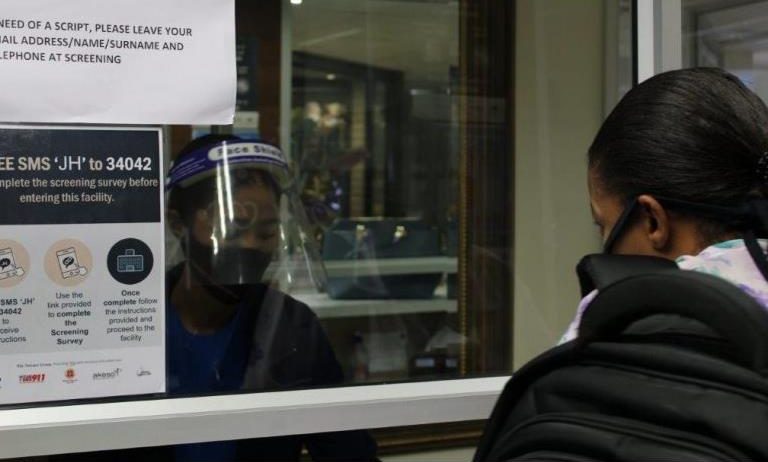
The impact of civil violence has dire consequences for hospitals in the midst of a pandemic.
Neil Nair, CEO of National Hospital Network (NHN) said on Wednesday, consequences of the looting and destruction on hospitals in affected areas, was dire.
“We must not forget we are in the midst of a pandemic and the civil unrest impacts hospitals and related healthcare services such as dialysis and oncology.
“The pandemic reached crisis proportions quickly and the epicentre of the pandemic is within the affected provinces currently under siege, namely Gauteng and KwaZulu-Natal.”
He said NHN represented 241 hospitals nationally, of which 74 were acute hospitals.
“The NHN is the largest private hospital group in the country and located in previously disadvantaged areas. And as such, most vulnerable to the current wave of unprecedented violence.”
According to Nair the following challenges have been reported from NHN’s hospitals on the frontlines:
– Dire staff shortages, as staff cannot leave their places of residence or return safely after shifts. He said some of their staff members have requested to sleep at hospitals. Some doctors have also reported that they cannot reach hospitals.
– Pharmaceutical and oxygen supplies are compromised as these stocks are supplied via Durban.
– Laundry services are compromised.
– One of the hospitals reported that they were unable to discharge patients as there was no transport available to get them home.
– Melomed Richards Bay hospital has lost communications capabilities due to their fibre lines being destroyed.
“The situation on the ground is simply untenable,” said Nair, adding that NHN called upon the government to provide on-site security to hospitals, both public and private.
“Also to provide transportation escorts, by the police or defence force, for oxygen and other medical supplies, including food, clean linen and all other essential supplies.
“Communications and IT systems of hospitals should also be secured. We are deeply concerned at the slow pace of getting the situation under control and appeal for urgent steps by government to address the situation. The collateral damage is simply unimaginable,” he said.
CEO of Netcare Dr Richard Friedland said on Tuesday that contingency plans were timeously implemented to ensure patients could continue to benefit from healthcare services amid the violent protests.
“However, the situation is fluid, and Netcare remains on high alert to respond promptly to possible new developments.”
Friedland said the group was deeply saddened to see the suffering of their fellow South Africans and wished that the nation could have been spared this trauma, “especially, in light of the hardships and loss of life already being experienced due to the ongoing Covid-19 pandemic”.
Friedland said the violence in certain parts of KwaZulu-Natal and Gauteng “is placing additional pressure on both the public and private healthcare system”.
“Like many other businesses, we have experienced some challenges due to staff shortages as a result of staff not being able to reach their place of work. However, Netcare’s hospitals remain open throughout the country.
“We have treated a number of people for protest-related injuries, placing further pressure on an already constrained healthcare system, including emergency medical services,” he said.
Friedland said that Netcare had sufficient oxygen, medicines, food and water and supplies were continuously being monitored.
“As a precautionary measure, a few of our primary care facilities, Netcare Medicross and Netcare Prime Cure in KwaZulu-Natal have been temporarily closed. We will continue to monitor the situation to assess when it will be reasonable and safe to reopen these facilities.”
* Notice: Coronavirus reporting at Caxton Local Media aims to combat fake news
Dear reader,
As your local news provider, we have the duty of keeping you factually informed on Covid-19 developments. As you may have noticed, mis- and disinformation (also known as “fake news”) is circulating online.
Caxton Local Media is determined to filter through the masses of information doing the rounds and to separate truth from untruth in order to keep you adequately informed. Local newsrooms follow a strict pre-publication fact-checking protocol.
A national task team has been established to assist in bringing you credible news reports on Covid-19.
Readers with any comments or queries may contact National Group Editor Irma Green (irma@caxton.co.za) or Legal Adviser Helene Eloff (helene@caxton.co.za).
Do you have more information about the story?
Please send us an email to editorial@rekord.co.za or phone us on 083 625 4114.
For free breaking and community news, visit Rekord’s websites: Rekord East
For more news and interesting articles, like Rekord on Facebook, follow us on Twitter or Instagram