Making a healthy difference at informal settlements
Rebaone Madzivhandila (30) will stop at nothing to ensure that marginalised communities get the much-needed healthcare services.
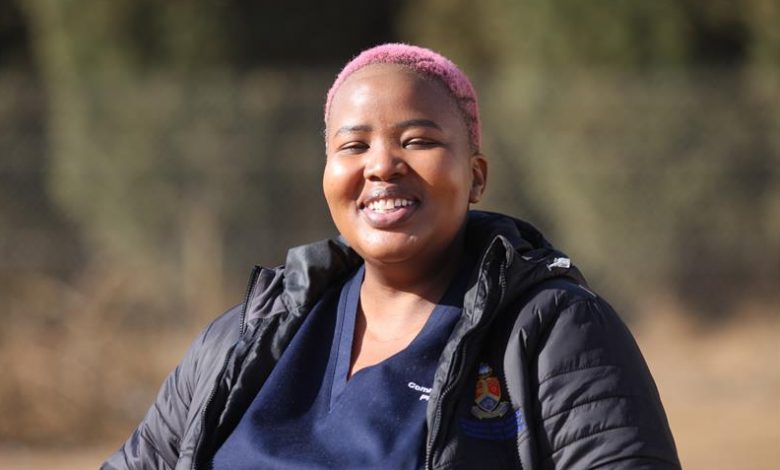
Meet Rebaone Kutlo Madzivhandila, a 30-year-old health worker who committed her life to provide much-needed healthcare services to those in need.
Madzivhandila is a research assistant at the University of Pretoria where she manages a team of community health workers working in vulnerable areas, enable access to care for those living in informal settlements.
The programme, known as Community-Oriented Primary Care (COPC), sees the establishment of mobile health centres that provide a holistic approach to health which includes essential health care, nutritional assessment and supplementation; and health education including counselling.
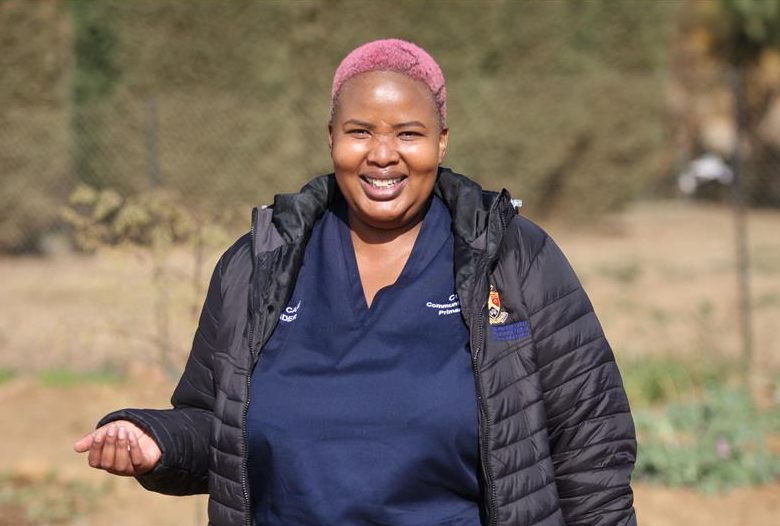
Madzivhandila’s passion for helping others started in 2016 when she started working for the university as an intern.
“The love and passion for offering services to the community started when I started to understand the community-oriented primary care approach and was able to apply it,” she said.
“Health starts in the household, everything happens in a household long before individuals reach the facility. Making use of a preventative method by educating household members about health- and social-related issues is a priority.
“We are all working in a multi-disciplinary team to best support those individuals.”
Her job includes the oversight of services offered on-site and in communities which includes patient visits at their homes, data collection and analysis, facilitating training of community members and health personnel and reporting on such services to inform health strategies.
She works with families at informal settlements such as Woodlane Village (Plastic View) and Cemetery View in the east of Pretoria as well as Melusi and Zama-Zama in the west of Pretoria.
“What I like about my job is knowing the little we do makes a huge difference in the community or for an individual,” she said.
“Empowering women to stand up for themselves and stand together.”
However, the job does not come without challenges. One of them being cultural differences that sometimes stood in the way of the administration of medical treatment.
She said she sometimes still face situations where families would refuse medical help because their beliefs do not allow it.
“One instance was that of a woman who was HIV-positive and did not disclose her status to her husband,” she said.
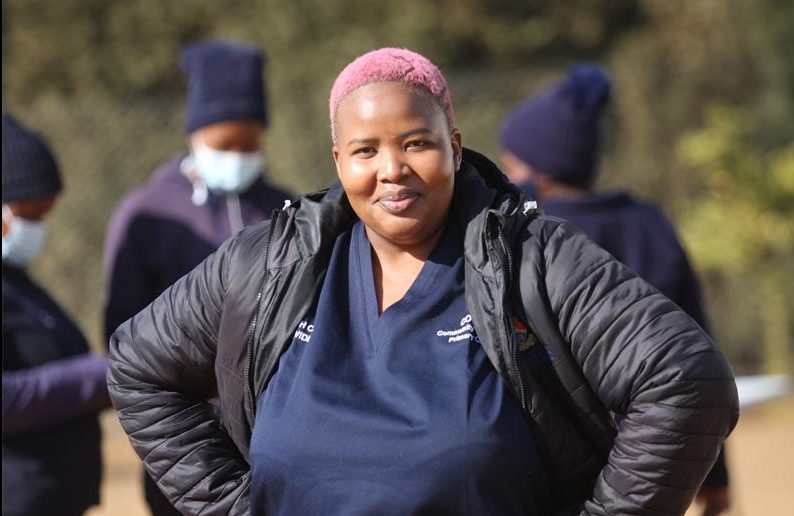
“After giving birth, she never returned for follow-up visits at the clinic to get medication to prevent the mother from spreading HIV to her child. Because the husband’s beliefs did not allow the child to go to the clinic.”
She said sometimes it was a struggle to help women to break away from unhealthy relationships as many of them did not have any relatives in the country, forcing them to stay in undesirable conditions.
Some would believe their conditions to be better than having to return to their country of origin.
“Although there are a lot of successful stories, there are instances where we face difficult situations.”
Madzivhandila, who recently lost her mother, was born at Huhudi location in a small town called Vryburg in the North West province.
READ MORE: Multiple husbands on the cards for SA women?
She obtained a Bachelor of Technology in environmental management at the Cape Peninsula University of Technology in 2014 and is currently studying towards a post-graduate diploma in public health to pursue her master’s in public health.
The mother of two said she would stop at nothing to ensure people at informal settlements were empowered with the necessary information and given much-needed healthcare.
Informal settlement healthcare expert Dr Ellenore Meyer of the University of Pretoria described Reba as a team player whose role was key to the success of the COPC programme implemented in informal settlements.
“She understands how to create social cohesion among team members and within communities,” Meyer said.
“During Covid-19 we had to implement on-site screening and swabbing in circumstances where we often did not have access to running water. We had to bring in all the products needed and manage the fear of our community health workers and patients.”
On one such day, Reba came in and opened her car door, put on the Jerusalema song and played it loud and asked the team to start dancing with her.
“She made us laugh and remember to celebrate the opportunity to make a difference,” Meyer said.
* Notice: Coronavirus reporting at Caxton Local Media aims to combat fake news
Dear reader,
As your local news provider, we have the duty of keeping you factually informed on Covid-19 developments.
As you may have noticed, mis- and disinformation (also known as “fake news”) is circulating online.
Caxton Local Media is determined to filter through the masses of information doing the rounds and to separate truth from untruth in order to keep you adequately informed.
Local newsrooms follow a strict pre-publication fact-checking protocol. A national task team has been established to assist in bringing you credible news reports on Covid-19.
Readers with any comments or queries may contact National Group Editor Irma Green (irma@caxton.co.za) or Legal Adviser Helene Eloff (helene@caxton.co.za).
Do you have more information about the story?
Please send us an email to editorial@rekord.co.za or phone us on 083 625 4114.
For free breaking and community news, visit Rekord’s websites: Rekord East
For more news and interesting articles, like Rekord on Facebook, follow us on Twitter or Instagram