Oncology centre aims to treat cancer in animals
"It will allow for earlier diagnosis of cancer and a wider spectrum of effective treatment options for animals."
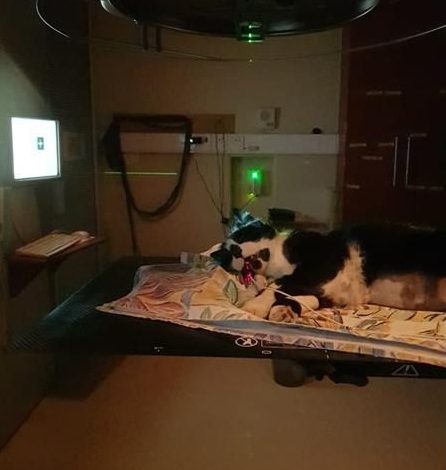
The University of Pretoria’s (UP) faculty of veterinary science and the Southern Africa Animal Cancer Association (SAACA) have teamed up to create an oncology centre for clinical cases and research in animals.
At the end of 2020, the founder and CEO of SAACA Munnik Marais approached the faculty with a proposal to join forces.
Having spent many years fundraising for the Cancer Association of South Africa (CANSA), Marais wanted to create awareness of cancer in animals and encourage treatment and research.
Dr Paolo Pazzi, section head of small animal medicine at UP, heads the research aspect of the oncology centre.
“The goal of this collaboration is to increase the faculty’s capacity to treat cancer in animals,” he said.
He said that this would result in an increase in research in this field.
ALSO READ: Service delivery affected as Samwu-Tshwane battle continues
“It will allow for earlier diagnosis of cancer and a wider spectrum of effective treatment options for animals.”
Lecturers in small animal internal medicine, Drs Anri Celliers and Varaidzo Mukorera, and Professor Gerhard Steenkamp, section head of small animal surgery, head up the clinical side of the oncology centre, which is based at the faculty’s Onderstepoort veterinary academic hospital (OVAH).
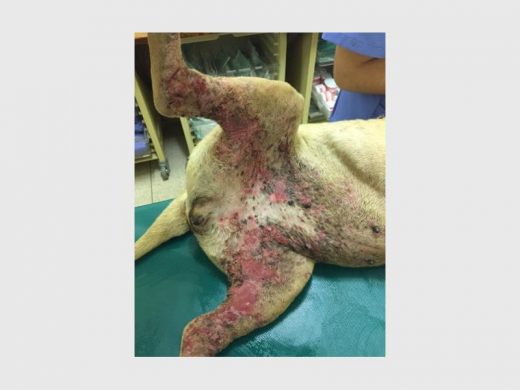
While there are specialist hospitals in South Africa that treat cancer in animals, OVAH is the only one with on-site specialist clinical pathologists/cytologists, and medical and surgical clinicians to diagnose and treat cancers.
“At the faculty, research in the field of oncology includes the investigation of a worm (Spirocerca) that can cause oesophageal cancer in dogs,” said Pazzi.
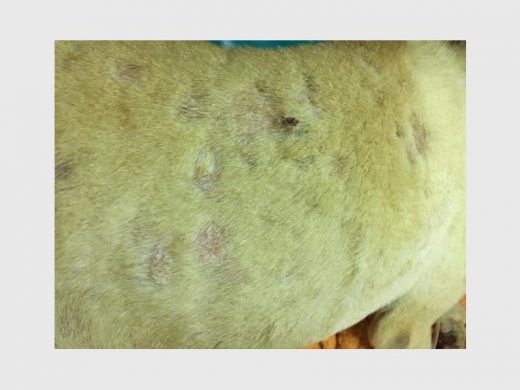
“The faculty has advanced knowledge in the diagnosis of spirocercosis; the differentiation of benign and malignant spirocercosis; and identification of the surgical predictors of survival for neoplastic spirocercosis.”
It can determine whether dogs with cancerous spirocercosis require surgery.
Ongoing projects in the faculty include the investigation of blood and urine tests that can differentiate between localised cancer and cancer that has spread to other parts of the body.
ALSO READ: Police rescues abandoned newborn baby
“We focus on common cancers such as mammary cancers as well as various carcinomas and sarcomas.
“Blood or urine tests will aid in the easier diagnosis and earlier treatment of cancers in animals. Other planned future studies will look at the role that certain blood cells play in the promotion or inhibition of cancer,” he said.
To achieve this, the centre plans to employ more staff, enabling the faculty to accommodate more animals with cancer.
“It will allow for increased research into cancer diagnosis and treatment.
“The clinic currently sees 10 to 30 cancer patients a month, but with the collaboration with SAACA, these numbers are predicted to double.”
Soon, an electro-chemotherapy unit will be available at OVAH, which will allow for the treatment of localised skin tumours through a combination of chemotherapy and a local electrical current.
This avoids the need for surgery or radiation therapy in many cases.
Pazzi said that the centre would also acquire a new computed tomography scanner unit to help identify the spread of cancer to the lungs and other parts of the body.
To promote chemotherapy safety for patients and staff, a biological safety cabinet will also be necessary. Chemotherapy drugs will be prepared or mixed in this specialised unit before being injected into the patient to prevent contamination of the environment whenever chemotherapy drugs were handled.
ALSO READ: Sekgwelea regained her self-respect through taekwondo
“Early identification of cancer plays a vital role in the improvement of patient outcomes.
“Owners should monitor their dogs and cats for any obvious lumps or bumps that may appear on the skin or in lymph nodes. We advise all pet owners to take their pets to a veterinarian or OVAH for evaluation if they are at all concerned,” he said.
Director of OVAH, Dr Paul van Dam, said he was pleased with the collaboration with SAACA.
“It will lead to benefits for the community and the co-creation of knowledge that can contribute to treating oncological conditions among animals,” he said.
Do you have more information about the story?
Please send us an email to editorial@rekord.co.za or phone us on 083 625 4114.
For free breaking and community news, visit Rekord’s websites: Rekord East
For more news and interesting articles, like Rekord on Facebook, follow us on Twitter or Instagram