Communities facing challenges given chance to vaccinate
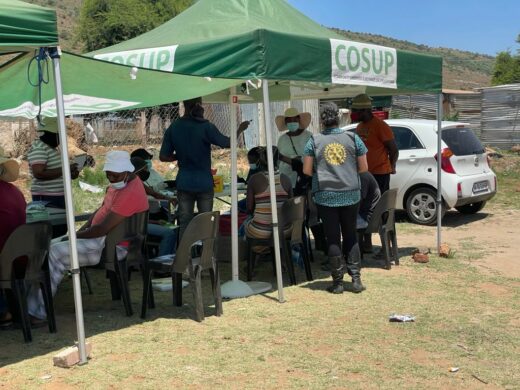
The project also serves pop-up vaccination sites in inner-cities for homeless people, substance users, commercial sex workers, undocumented migrants and people who live in informal settlements and in mining communities.
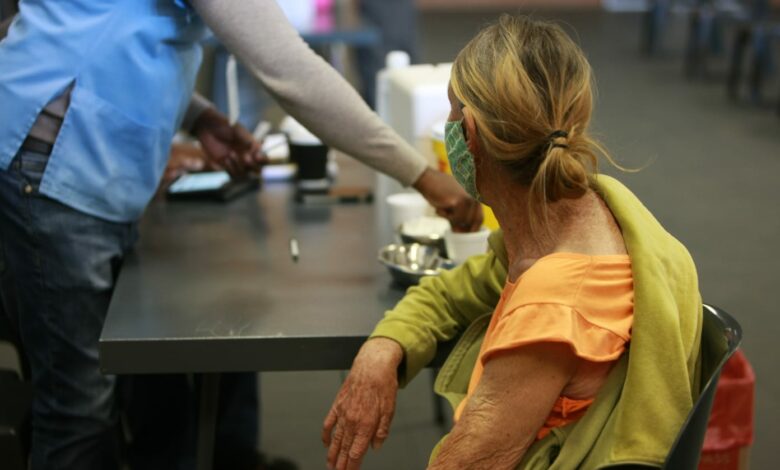
The University of Pretoria’s (UP) Community Oriented Primary Care (COPC) Research Unit is leading the vaccination of undocumented, homeless, informal settlements and inner-city communities against Covid-19.
The drive is a collaboration with partners from the international community, local NGOs and religious community leaders, and the departments of health and local government, focusing on Gauteng.
Spokesperson Primarashni Gower said the drive was done under the Deutsche Gesellschaft für Internationale Zusammenarbeit (GIZ)/UP project, and has been open since October at clinics in Ekurhuleni, Johannesburg and Tshwane.
The project also serves as pop-up vaccination sites in inner-cities for homeless people, substance users, commercial sex workers, undocumented migrants and people who live in informal settlements and in mining communities.
“There are plans to roll out this programme to other provinces, in collaboration with several partners, to provide Covid-19 vaccinations to communities facing challenges with accessing such services.”
Head of the Department of Public Health Medicine, Professor Debashis Basu said they were assisting people from surrounding countries with expired documents or no documents.
“Many of the people are homeless, living on the streets or living in informal settlements.”
He said so far, more than 4 000 people had been vaccinated in Gauteng through the programme.
“We are initiating a structured course to address vaccine hesitancy and behaviour change through motivational interviewing, which entails guidance on lifestyle changes towards improved personal health,” said Basu.
Basu said there were also many people who were employed, living in formal housing, who do not have identity documents.
READ MORE: Covid-19 taxi relief support fund ready for disbursement
“UP’s COPC approach entails working with people in geographical areas where informal settlements have been mapped in detail and where access to fixed vaccination sites is limited, identifying their needs and working with partners to meet those needs.
“We go to communities where easy access can be provided, rather than asking them to come to formal facilities.”
Basu said as part of comprehensive and ongoing care, they issued people with a patient-retained booklet called “Road to Linked Care”, which acted as their identity in terms of their medical and vaccination records.
“We seized the opportunity to create awareness of other high-burden diseases such as tuberculosis and HIV, and to identify social needs that might be addressed at the primary healthcare level.”
He said the government’s Covid-19 vaccine rollout programme was designed to register people with their unique identification information.
“This unfortunately, excludes a large number of people without their necessary documents. And they are often at great risk and in need of vaccination and healthcare,” said Basu.
He said that undocumented people are reluctant to access health services, including vaccinations.
“There is a long culture of stigma and exclusion. They do not trust the system and are afraid they will be reported to the police then apprehended and deported.”
The National Department of Health has recognised this challenge and is partnering with UP in rolling out the vaccination programme.
“We are well-placed to take up the responsibility to assist in this vaccination programme,” said Basu.
Director of the COPC Research Unit at UP, Professor Jannie Hugo said training would be done through UP’s existing education networks.
“Regularly UP trains around 100 clinical associates working in 24 mining communities in six provinces. This training is then cascaded to staff – clinic staff and community health workers – in the local district health services.
“It is critical that people who are excluded or hard to reach are enabled to benefit from the vaccination programme to prevent islands within which the virus can hide and spread,” Hugo said.
He said if undocumented communities do not participate in the vaccine rollout, “the pandemic will continue to disrupt lives and livelihoods”.
READ MORE: Multiple husbands on the cards for SA women?
Do you have more information about the story?
Please send us an email to editorial@rekord.co.za or phone us on 083 625 4114.
For free breaking and community news, visit Rekord’s websites: Rekord East
For more news and interesting articles, like Rekord on Facebook, follow us on Twitter or Instagram