Load-shedding continues to cripple ageing Tshwane infrastructure
“Teams from the energy and electricity department and the regional operations and co-ordination department are working to restore power outages caused by load-shedding as fast as possible.”
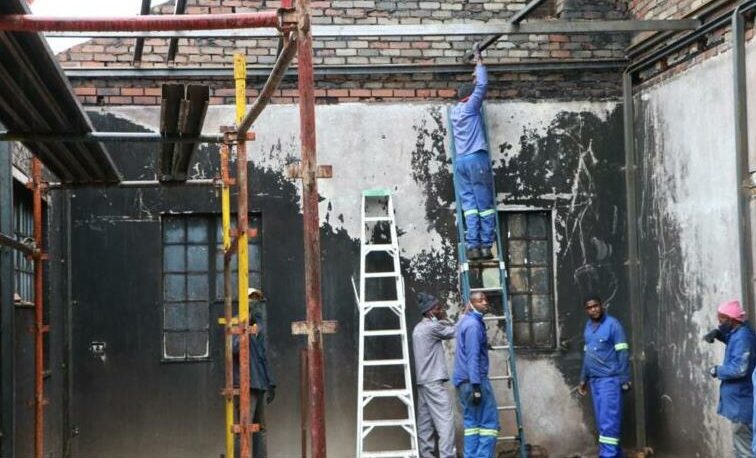
Tshwane’s ageing electricity infrastructure is once again taking a knock as the implementation of load-shedding reached Stage 4.
Eskom announced on Wednesday morning, that it would implement Stage 4 of load-shedding until Friday, due to the further failures of generation units.
Tshwane’s MMC for utility services Philip Nel said load-shedding was caused by the tripping of electricity grids and surges due to overloading when load-shedding ends.
“This has been made worse by the wet weather, making electrical work difficult,” he said.
“Teams from the energy and electricity department and the regional operations and co-ordination department are working to restore power outages caused by load-shedding as fast as possible.”
He said because of load-shedding, the electricity supply to the grid was switched off and on up to three times per day. The most damage happened when the electricity was restored and all the geysers, pumps, stoves start simultaneously.
“This causes an abnormal surge of electricity that can sometimes go high enough to trip a circuit breaker.”
Over the years, residents in the east of Pretoria have experienced prolonged power outages whenever load-shedding was implemented.
On Tuesday, when the power went off, residents in Faerie Glen were in the dark for more than 16 hours as the Njala substation experienced a trip.
Energy expert Chris Yelland previously told Rekord distribution networks in metros such as Tshwane were in poor shape because of poor maintenance.
He said this was part of the reason the metro’s substation could not handle load-shedding.
“If those equipment were in good shape, load-shedding would not be a problem.
“But many of them are weakened by old age and poor maintenance; thus, the load-shedding switching is pushing them over the edge,” Yelland said.
The Tshwane metro urged residents to help limit the negative effects of load-shedding by doing the following:
– Switch off all rotating machines, heaters and geysers before the planned reconnection time.
– When the electricity is restored, wait a few minutes before boiling the kettle and resuming cooking.
– Switch geysers, pumps, etc. on only after the electricity supply has stabilised.
– The above can be achieved by switching off all circuit breakers excluding lights during the power outage period. The lights will confirm when the electricity is restored, and other circuits can then be switched on gradually after the electricity supply is stable. This will also protect electronic household equipment.
ALSO READ: Bid on an escape into the wild
Do you have more information about the story?
Please send us an email to editorial@rekord.co.za or phone us on 083 625 4114.
For free breaking and community news, visit Rekord’s websites: Rekord East
For more news and interesting articles, like Rekord on Facebook, follow us on Twitter or Instagram