Shelter needs transport to take disadvantaged girls to school
“Lack of proper transport compromises disadvantaged girls’ safety against their alleged abusers who are facing criminal cases,” says Tshwane Leadership Foundation co-ordinator Vestine Ntakirutimana.
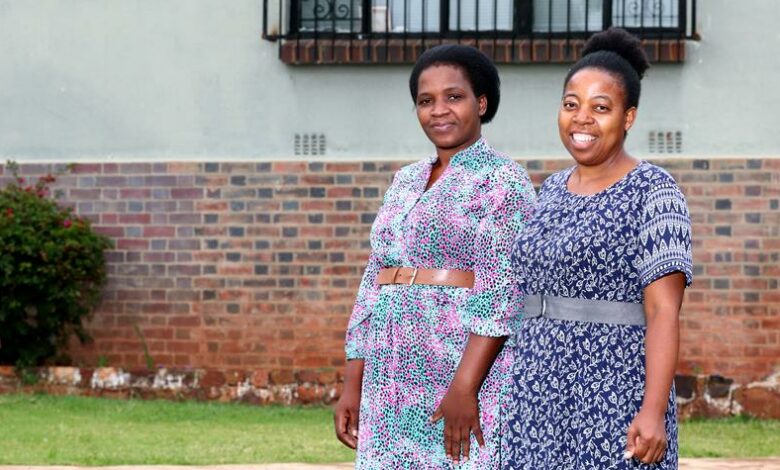
Lerato House, a shelter for girls who had previously suffered various abuses either at their homes or within the community, is in desperate need for transport for disadvantage girls to and from schools.
“The situation is bad in such a way that vulnerable girls have to catch public transport such as the buses which exposes them to danger,” Tshwane Leadership Foundation co-ordinator, Vestine Ntakirutimana told Rekord.
Ntakirutimana said it was important to note that some of the children were victims of abuse and cases in relation to such ordeals were before the court of law.
“We fear that alleged perpetrators might harm the girls if coming across them on the street while waiting for their transport to take them to school.”
She said the Lerato House was a shelter to more than 10 girls in Muckleneuk, near Sunnyside area, citing that it was a place to protect a girl from abusers, such as those who had raped them at their family homes.
“Acquiring transport could improve the safety of the girls and in a way contribute in the shelter’s vision to restore and empower young girls to take up their rightful place in society or within their families,” she said.
She urged residents and companies to help Lerato House find transport.
“I believe that when we unite as residents and businesses, the children’s transport problem could be easily solved.”
Lerato House centre manager Elisabeth Mashigo said they needed a vehicle capable of currying no less than 15 passengers.
“At the moment, we are looking after 11 girls but we are actually able to accommodate up to 20, which means a bigger transport vehicle such as a 22-seater is ideal,” Mashigo said.
Lerato House takes care of girls between the ages of eight and 21, depending on whether they were still attending school or a tertiary institution.
“We look after girls from the eight years old to 18 but when they do not have any safe place to go to we continue taking care of them until they are 21.”
She said the aim was to integrate the older girls back into the community once they were old enough to take good decisions themselves.
“If it happens that a girl is above 21 and still does not have a place to stay, TLF programmes such as the Potters House come into play.”
ALSO READ: Refugee and home affairs employee caught red-handed
Do you have more information about the story?
Please send us an email to editorial@rekord.co.za or phone us on 083 625 4114.
For free breaking and community news, visit Rekord’s websites: Rekord East
For more news and interesting articles, like Rekord on Facebook, follow us on Twitter or Instagram