Why you should get your child immunised
Not immunising your child cannot only harm them but the community as well.
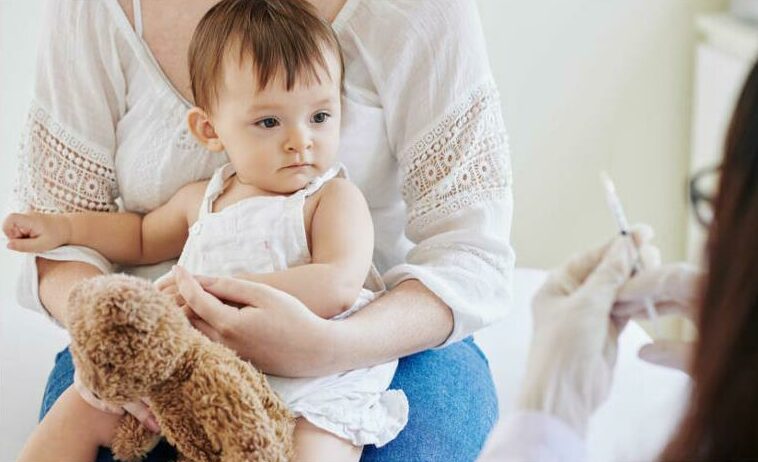
Immunisations have always been a contested topic among parents, and while some risks are worth noting the overall benefit outweighs most reservations.
As Dr Angela Colquhoun, a general paediatrician at Mediclinic Kloof, Erasmuskloof explained, many studies on immunisations have shown the treatment to be safe and effective.
“The benefits of vaccination greatly outweigh the risks, and vaccines have saved countless lives throughout history,” Dr Colquhoun says.
This comes in the wake of the Gauteng Department of Health (GDoH) recently announcing their worry over the decrease in child immunisations.
The GDoH says that there was a 4% decrease in immunisations from the 2021/22 financial year which registered 231 991 (88%) jabs and the 2022/23 financial year which registered 217 787 (84.1%).
“The decline shows that parents do not adhere to follow-up vaccinations as in the Road-To-Health booklet (EPI Schedule),” says the director of maternal, neonatal, child, and women’s health and nutrition in the GDoH, Sikhonjiwe Masilela.
“Another reason for the decline could be the measles outbreak in December 2022 which affected the last two quarters of the 2022/23 financial year.”
Dr Colquhoun said that the Covid-19 pandemic has interrupted childhood vaccinations almost everywhere. She believes that the decrease in immunisations will be felt in public in the years to come.
“Despite our best efforts to educate parents about the effectiveness of vaccines and the realistic chances of vaccine-associated adverse events, there are parents who decline to have their children immunised.
“ This often results from families misinterpreting or misunderstanding information presented by the media and unmonitored and biased websites, causing substantial and often unrealistic fears.
“Failure to immunise children sets back still further the prospects of attaining the Sustainable Development Goals (SDGs). Immunisation is key to achieving SDG 3, which aims to “ensure healthy lives and promote well-being for all at all ages.
“But it is also linked to 13 of the other SDGs. In that sense, immunisation is at the heart of our collective commitment to achieve a better and more sustainable future for us all,” she says.
Some benefits of immunisation include:
– Disease prevention: Vaccines protect children from diseases such as measles, polio, pertussis (whooping cough), tetanus, hepatitis, and many others. They also ensure lifetime protection.
– Community protection: The more children immunised, the more herd immunity develops. Immunisations make it hard for diseases to spread and protect residents that can’t get immunised due to medical conditions.
– Long-term health benefits: Future generations will be protected from harmful diseases as the current generation becomes more immune to them.
– Prevention beats cures: Free immunisation is safer and less expensive than dealing with a disease after one has been infected.
– Global health impact: Diseases such as smallpox have been eradicated due to immunisation and diseases like polio are on the verge of elimination. By vaccinating children, vulnerable populations are protected worldwide.
Dr Colquhoun recommended children should be vaccinated at birth, 6 weeks, 10 weeks, 14 weeks, 9 months, 18 months, 6 years and at 12 years old.
“The Constitution guarantees children ‘the right to … basic health care services,’ which would include immunisation. Distributive justice requires fair allocation of resources, and in South Africa, the public health immunisation programme is available to all,” she says.
Some side effects of immunisation include temporary soreness at the injection site, low-grade fever, or mild irritability. Other possible side effects include allergic reactions, Guillain-Barré syndrome contraction, Febrile seizures, and other rare side effects.
While concerns for these side effects are warranted they rarely occur and there is enough protocol to handle them should they arise.
Not getting your child immunised can result in;
– Disease contraction: Cchildren are at a higher risk of contracting diseases such as measles, mumps, rubella, whooping cough (pertussis), polio, hepatitis B, chickenpox, and many others. These diseases can cause severe illness, complications, and even death in some cases.
– Disease spreading: Unvaccinated children can act as carriers of diseases and spread them to individuals who cannot be vaccinated due to age, health conditions, or weakened immune systems. These include newborns, elderly people and individuals with certain medical conditions.
– Outbreaks and epidemics: When a significant portion of the population is unvaccinated, it increases the likelihood of outbreaks and epidemics. This can lead to the rapid spread of infectious diseases within communities, schools, and other public spaces.
– Long-term health consequences: Some vaccine-preventable diseases can have long-term health consequences, even if a child survives the initial illness.
– Impact on public health: Immunisation also plays a critical role in maintaining public health. When a large percentage of the population is vaccinated, the spread of diseases is limited, protecting those who are unable to receive a vaccine.
Dr Colquhoun believes that some parents may be hesitant to immunise their children due to misinformation being spread during the Covid-19 pandemic.
“Some parents may have concerns or doubts about vaccine safety or efficacy. Especially after the Covid 2019 pandemic where concerns have arisen from misinformation, misconceptions, or fears based on anecdotal stories and rare adverse events.
“Despite false claims linking vaccines to autism or other negative outcomes have been widely debunked, this can still influence parental decisions. Social media and anti-vaccine movements have also dramatically contributed to vaccine hesitancy,” she says.
Other reasons may include mistrust in the healthcare system, personal beliefs or philosophical objections, and a lack of access.
“Immunisation is free and available at all government primary health care facilities and hospitals. It is important that parents ensure that they don’t miss the date for your clinic visit and if they do miss it, they should return as soon as possible. All children between six months and five years should receive Vitamin A and deworming medicines every six months. This helps them keep healthy,” Masilela adds.
“Vaccines have been rigorously tested for safety and efficacy, and they have been instrumental in reducing the prevalence of many devastating diseases around the world. Routine immunisations and strong health systems are our best way to preventing future pandemics, unnecessary deaths and suffering,” Colquhoun says.
Residents are reminded to contact their healthcare professional who can provide more information should they have any concerns.
Do you have more information about the story?
Please send us an email to editorial@rekord.co.za or phone us on 083 625 4114.
For free breaking and community news, visit Rekord’s websites: Rekord East
For more news and interesting articles, like Rekord on Facebook, follow us on Twitter or Instagram