Green activists furious over coal mining application at nature reserve
Environmental activists are concerned that an application to mine coal will have a negative impact on the water quality, fauna and flora at Rietvlei Nature Reserve.
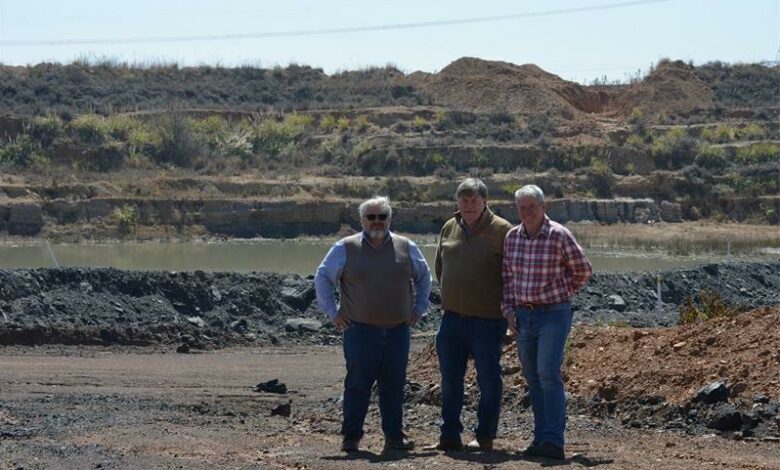
Environmental activists are furious over an application by brick-making company Corobrik to the Department of Mineral Resources and Energy for the mining of coal near the Rietvlei Dam and Rietvlei Nature Reserve.
A notice appeared in the media on August 25 concerning the submission of the Corobrik environmental impact study, in which the public was urged to comment and provide input before September 26.
Corobrik wants to expand its production on 211 ha terrain and stone quarry on the Delmas Road near the Rietvlei Dam and nature reserve.
The expansion will also include the mining, removal and storage of coal.
The stone quarry is located on the southern side of Tshwane, with the Rietvlei Nature Reserve on the northern side of the Corobrik terrain.
The company has been mining clay since 1984.
The impact study and application followed a verbal warning to Corobrik (issued on March 8) by the Department of Mineral Resources and Energy, in which it ordered the company to immediately stop all coal mining activities.
According to Corobrik, this is not a retrospective application, since it had applied for mining activities around coal in June 2022 through a 102-page application before the department’s warning.
After the departmental inspection, the company was asked to submit an environmental impact study and hand in an amended mining permit application.
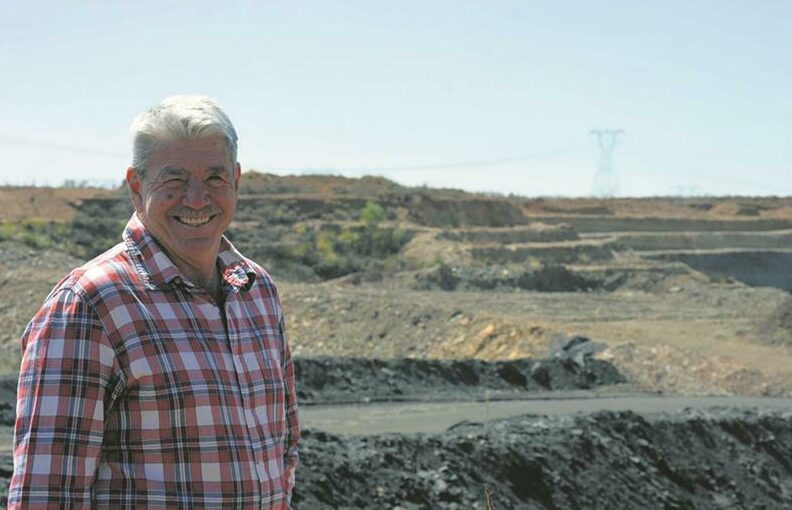
Manager director of Corobrik, Nick Booth, said their mining permit was first limited to only mining clay to make bricks.
“We removed the coal since it sterilised our clay reserves – and the safe storage of clay reserves and coal is considered good mining practice,” said Booth.
He emphasised that the company had never illegally mined coal at the stone quarry and that it immediately stopped all activities regarding coal after the department had ordered them to meet its requirements.
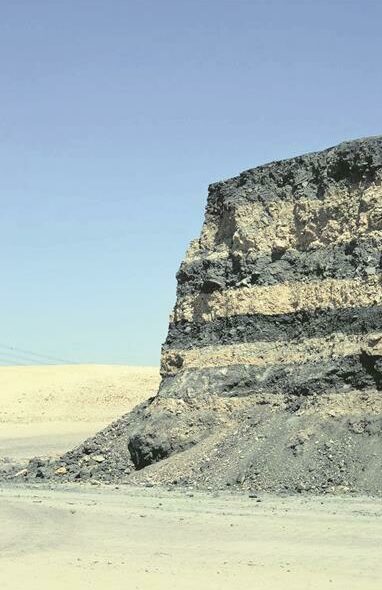
Booth explained that shale and clay both lie on top and under the coal layer.
“The coal layer must be removed to be able to mine the clay.”
During clay mining activities, the company discovered coal. Therefore, the permit must be amended.
“We are on good terms with the department following negotiations in May and June this year. We want to be fully compliant with all the requirements to also submit an application for the mining of coal, as well as to present an environmental impact study to the public,” said Booth.
He stressed that the company will not operate a coal mine or diversify into coal mining activities.
A public meeting will be held on September 8 at 11:00 at the Sailing Club at the Rietvlei Nature Reserve for people to provide input.
During the meeting, future mining activities and their impact on the environment will be explained according to reports by experts.
Environmental activists are especially concerned about the impact of coal mining on the water quality at the Rietvlei Dam, as well as on the streams at the Rietvlei Nature Reserve.
One of their concerns is particularly the negative impact it will have on flora and fauna.
According to the report by environmental consultants Licebo Environmental and Mining, wetlands in the environment will not be impacted during the current and future mining activities.
Corobrik geologist Martin Hughes confirmed that the groundwater reserves in the vicinity of the mine will not be affected, since it is an open pit mine and there will be no deep coal mining.
Hughes said the flow of the water around the quarry and mining activities of the clay and coal will be limited to the terrain, as the dolomite rock formations around the quarry dams are impenetrable.
According to Booth, there are no archaeological artefacts, endangered flora or fauna species on the terrain that will be negatively impacted by the granting of the coal mining permit.
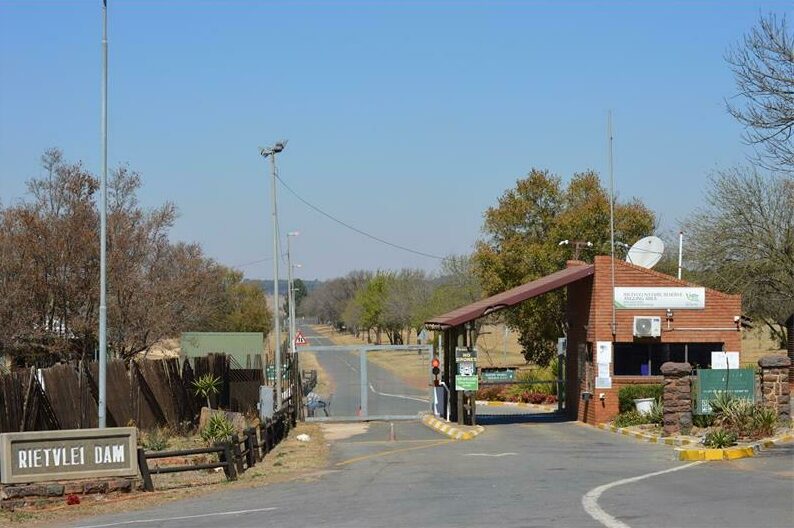
He emphasised that the activities will not impact the Rietvlei Nature Reserve in the future.
Civil rights organisation AfriForum said as an interested and affected institution, it would register under the public participation process to provide input.
“We will keep an eye on the issue. We urge others to also register with the environmental consultants,” said Lambert de Klerk, head of AfriForum’s Environmental Affairs.
The Tshwane metro said that, based on its investigation, there are no records of an Environmental Impact Assessment (EIA) report or application made for the indicated mining activity that has been received by the City.
Metro spokesperson, Lindela Mashigo said at present there are no negative environmental impacts associated with mining activities being experienced by the Rietvlei Nature Reserve.
Mashigo explained that, if the mentioned mining activity is occurring within the jurisdiction of the metro, the city should be considered as an independent and affected party that must be formally requested to comment on the EIA application.
“It is not possible to pre-empt the outcome of the review of the application without relevant information.
“Currently, the relevant information that is required to evaluate an EIA and inform the standpoint of the city is not available. This information includes locality, property description, detailed assessment of the proposed activity, specialist studies as well as the outcomes thereof on the character of the receiving environment,” said Mashigo.
In the draft basic assessment report and environmental management report of Corobrik (dated 25 August), it is mentioned on page 52 by Licebo Environmental and Mining that a notification email notifying Mayor Cilliers Brink, City Manager Johann Mettler and the head of communications of the report and proposed process was sent on August 24, 2023.
– To review the impact study and application, go to licebo.co.za/projects/public-review-documents.
– Copies are also available at the Rietvlei nature reserve offices. Call 012 358 1812.
Do you have more information about the story?
Please send us an email to editorial@rekord.co.za or phone us on 083 625 4114.
For free breaking and community news, visit Rekord’s websites: Rekord East
For more news and interesting articles, like Rekord on Facebook, follow us on Twitter or Instagram