
Minister intervenes in water war after Tshwane taps dry up
Rand Water and Tshwane metro locked horns as the metro was blamed for exceeding its water target and refusing to impose restrictions. The metro in turn had pointed fingers at the water utility for failing to pump sufficient supply to Klapperkop, Carina and Mooikloof reservoirs over the weekend.
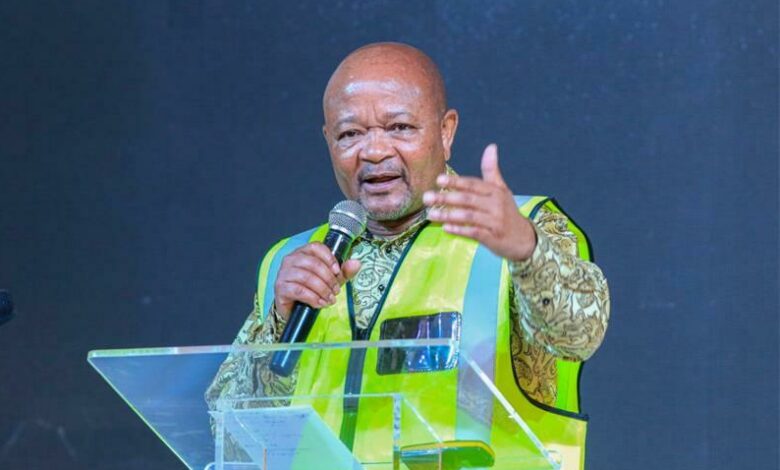
Rand Water and Tshwane metro have collaborated to curtail the water shortages recently experienced in the metro, allegedly due to increased consumption from ratepayers.
The two organisations locked horns on social media when Rand Water blamed the metro for exceeding its water target and refusing to impose restrictions. The metro in turn had ascribed the water utility for failing to pump sufficient supply to Klapperkop and Carina reservoirs, as well as Mooikloof reservoir over the weekend.
Serious disagreements on social media persisted between the metro and Rand Water, with the Minister of Water and Sanitation being forced to play Big Brother. Certain areas in the east of Pretoria were experiencing low pressure, to having no water at all.
🚨MEDIA STATEMENT🚨
Rand Water concerned about @CityTshwane unsubstantiated statement regarding water outages in parts of the City. #RandWater #RW120YearsofExcellence #WaterSupplyInterruptions #WaterDemand [NS] pic.twitter.com/wS5eZ8EGQv— Rand Water (@Rand_Water) September 2, 2023
Group head of water and sanitation Stephens Notoane had also requested that Rand Water postpone the implementation of water restrictions in August, after the lack of service delivery and strike action.
“This is because of the ongoing unprotected strike by workers in Tshwane resulting in delayed response to service delivery issues. If the curtailment is implemented, it might lead to increased water supply challenges,” he stated in an email.
Since the email and Twitter war of words, on September 4, Rand Water and Tshwane resolved to ensure consistent water supply within the metro.
3. This emanated from the agreement between RW and @CityTshwane that both parties will monitor consumption volumes (letter attached). Again, on 8 August 2023, an email was sent to CoT asking CoT to curb consumption to ensure sustainable water flow (attached). pic.twitter.com/yVbgTfEc8y
— Rand Water (@Rand_Water) September 3, 2023
Good afternoon Residents
Please note that the City of Tshwane has exceeded their water target and are refusing to impose restrictions and communicate water conservation messages. Let us work together with the CoT and conserve water.
[NS]— Rand Water (@Rand_Water) September 2, 2023
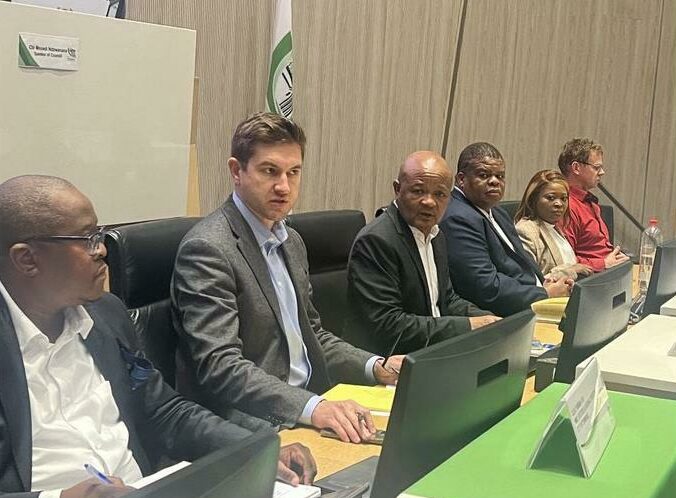
Water and Sanitation Minister Senzo Mchunu together with deputy ministers David Mahlobo and Judith Tshabalala convened an urgent meeting with Rand Water and Tshwane to intervene.
In a joint statement, the Ministry of Water and Sanitation, Tshwane metro and Rand Water met on Sunday to find a common solution to the water challenges affecting the metro.
In the resolve, Mchunu directed Mahlobo, Tshwane mayor Cilliers Brink and the chairperson of Rand Water board, Ramateu Monyokolo to assemble a technical team. This will be led by the Department of Water and Sanitation (DWS) provincial head Justice Maluleke and other executives to converge and derive a concrete plan to address the current water challenges and report back by the end of the day.
In a statement, the department said on Sunday the task team had received feedback on the action plan to resolve the issues that led to an impasse.
Tshwane confirmed that since the meeting, water had been restored in areas affected by shortages such as Mooikloof, Waterkloof Ridge, Akasia and Mabopane.
It said as part of the resolutions, Tshwane and the Rand water technical team had resolved to meet regularly during the peak season, to engage and provide holistic coordination, provision and management of water supply systems between the aggrieved parties.
The task team will daily:
– share the state of their water supply systems;
– immediately deal with water supply challenges in the city;
– collaborate on water conservation campaigns and mobilise communities to save water, including imposing water restrictions where necessary; and
– strengthen communication with all stakeholders and members of the public to serve residents better and efficiently.
“To address the acute water shortage in the system, Rand Water and the metro are currently engaging in the technical review of historical water allocations to the metro, as well as looking at water conservation and demand management.”
The metro said affordability would also be looked at when considering additional water allocation to the metro.
It said this would ensure the municipality serviced its residents better and sustainably.
“The DWS, Rand Water and Tshwane urged residents to conserve water and avoid using potable water for uses that would have ordinarily been taken care of by rain, such as watering gardens, use of hosepipes to clean driveways and car washing.
“Residents are further encouraged to fix water leaks in their homes and report those in their reticulation system to the municipality.”
981 suspects arrested for various crimes during police ops in Tshwane
Do you have more information about the story?
Please send us an email to editorial@rekord.co.za or phone us on 083 625 4114.
For free breaking and community news, visit Rekord’s websites: Rekord East
For more news and interesting articles, like Rekord on Facebook, follow us on Twitter or Instagram



