Boys High over the moon about upcoming clean power project
“It will reduce the school’s energy bills and, critically, lower the education leader’s reliance on fossil fuels, such as diesel generators, during load shedding or scheduled power cuts – which have become a feature of South Africa’s energy crisis.”
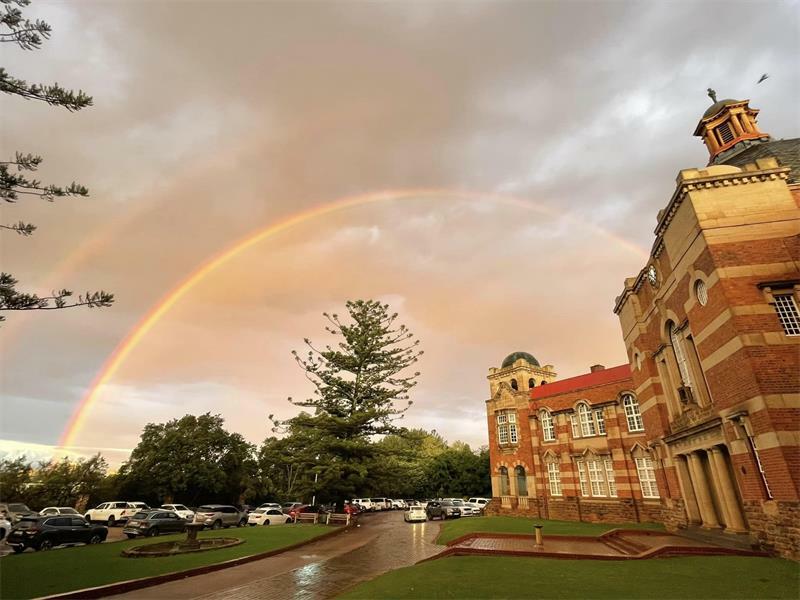
Pretoria Boys High is thrilled that a crypto investor has used bitcoins to buy 98% of all solar cells for its solar project, valued at R2.8 million.
The school has announced a partnership with Sun Exchange, a global crowd sales platform that helps schools and organisations in South Africa switch to solar power.
Sun Exchange will install a 198 kW solar system and integrate it into the school’s existing generator, as the school is no stranger to power outages.
The school comprises an 85-acre campus that includes 80 classrooms equipped with audio-visual equipment and internet access, two physical science laboratories and three I.T. classrooms, as well as three boarding houses that accommodate about 300 learners.
The school said on social media: “We’re looking forward to enjoying much-needed relief from electricity and diesel costs, making a positive environmental impact, and ensuring future generations of Pretoria Boys High students have access to the power they need to thrive.”
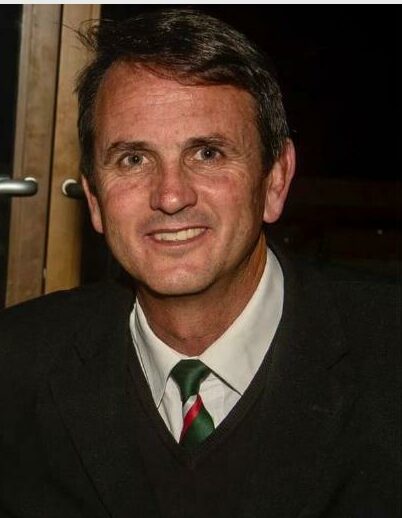
Headmaster Greg Hassenkamp said: “Clean energy will benefit our entire campus, including our classrooms, laboratories, and special venues.
“At the same time, the project will reduce our energy costs and carbon footprint, while also showcasing the significant influence of technology and innovation as the school heads towards a greener future.
“By using our platform to fund this renewable energy project, this Sun Exchange member will earn an income for 20 years on the clean energy they generate, while the school gains solar power at zero capital cost.”
Sun Exchange founder Abe Cambridge said the school undertook a crowdsourcing project through the Sun Exchange platform, as it had the ability to go solar at no upfront capital cost.
“The school didn’t pay for the solar system – it will only pay for the clean energy generated by the plant.”
He said the energy plant would supply the school with only 26% of its power needs.
Construction was expected by November and would not affect the school’s heritage structures.
“All heritage structures were avoided and construction of the plant will start in October or November.”
Cambridge said the project would reduce the school’s carbon footprint by 5 800 tons over 20 years, which is equivalent to taking 210 000 petrol cars off the road for a year.
“It will reduce the school’s energy bills and, critically, lower the education leader’s reliance on fossil fuels, such as diesel generators during load shedding or scheduled power cuts – which have become a feature of South Africa’s energy crisis.”
Sun Exchange CEO Saul Wainwright said with the impact of climate change becoming alarmingly real across the world, solutions were needed to address the solar finance gap for smaller solar projects in emerging markets.
Do you have more information about the story?
Please send us an email to editorial@rekord.co.za or phone us on 083 625 4114.
For free breaking and community news, visit Rekord’s websites: Rekord East
For more news and interesting articles, like Rekord on Facebook, follow us on Twitter or Instagram