Less than 10% of residents pay municipal bill on time
Finance MMC Jacqui Uys says that while 60% of the total amount billed was paid partly or late, residents who don’t pay their accounts put the burden on their neighbours.
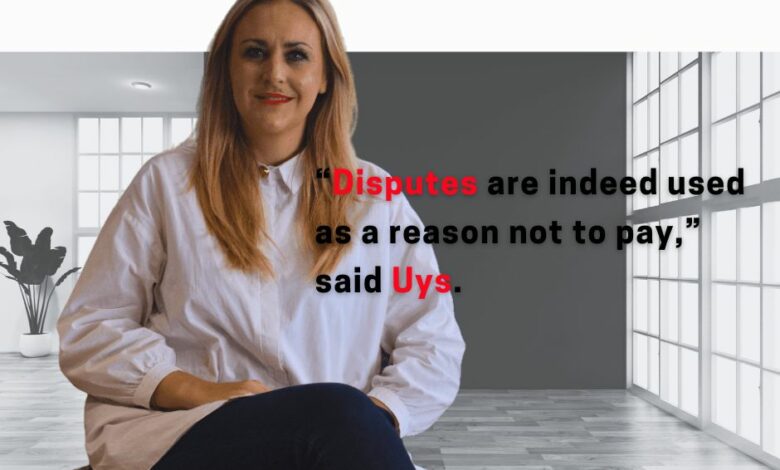
In December, less than 10% of residents paid their municipal bills on time and in full, says new Tshwane finance MMC Jacqui Uys.
As the cash-strapped metro embarks on an aggressive credit control plan to recover billions of what defaulters owe, the MMC said she wants to change the culture of non-payment in the city.
“The city has approximately 850 000 accounts and only 84 500 had the full amount paid by due date,” said Uys.
Although 60% of the total amount billed in a month is paid, Uys said metro customers did not pay on time or in full.
In December 2023, the metro said in a statement that it “noticed with concern that there are customers who have not been paying their water, property rates and waste management bills”.
“This not only hampers our ability to maintain and improve essential services but also creates an unfair burden on those customers who diligently settle their bills each month,” the statement read.
Earlier this month, metro spokesperson Selby Bokaba said the city had discovered that some customers would deliberately declare a dispute to avoid paying their dues.
“Disputes are indeed used as a reason not to pay,” said Uys.
“For example, should a resident dispute the electricity amount charged to their account, they should still be paying for water, sanitation, rates and taxes, and waste removal.
Unfortunately, residents use the dispute to stop paying the account in full.”
She urged residents to consider the impact of their nonpayment.
“The residents must ask themselves: if I do not pay for these services which I consume, who will?
“People who don’t pay, put the burden on their neighbours. It’s a symptom of a lawless society, and unless we arrest that trend, there will be nothing left of this country.”
Uys said residents who struggled to settle their accounts could register for indigent support, but urged them to control their consumption.
“There is no such thing as unlimited free services, just a quotient, which in Tshwane is quite generous compared to what The Treasury prescribes,” she said.
She said though a majority of people, about 60%, settled their accounts, it was too few to sustain the municipality and drive better service.
“So we will be driving that collection level up: it is an obligation we owe to those who pay, but also an obligation we owe to everyone who is entitled to services.”
Do you have more information about the story?
Please send us an email to editorial@rekord.co.za or phone us on 083 625 4114.
For free breaking and community news, visit Rekord’s websites: Rekord East
For more news and interesting articles, like Rekord on Facebook, follow us on Twitter or Instagram