Metro approves programme to tackle derelict buildings in the CBD
Work is expected to start with the Melgisedek building by the Steve Biko Academic Hospital.
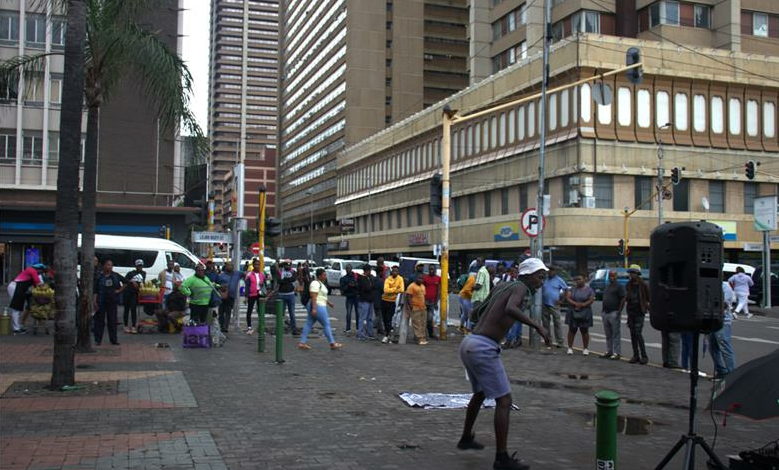
In light of hijacked buildings being in the spotlight due to building fires occurring in Johannesburg, the Tshwane metro assured residents such tragedies would not happen in its CBD.
In late January, the council approved the Tshwane Sustainable and Better Buildings Programme (TSBBP), a plan that aims to address decaying buildings in the inner city and provide affordable and well-located housing to residents and students.
“The TSBB Programme is based on lessons learnt from similar attempts in other metros such as the City of Johannesburg, where there has been a marked decline in the CBD,” said MMC for Corporate and Shared Services, Kingsley Wakelin.
“Negligent property owners, slumlords, and building hijacking syndicates have taken advantage of people who are desperate for affordable and well-situated accommodation. This leads to the illegal occupation of buildings that in turn leads to urban decay and poses a direct threat to human lives,” said Wakelin.
The metro said it will be taking a “proactive approach” to tackle derelict buildings, by forcing the sale of the property through the courts, or expropriation. Instances of illegal occupation will be dealt with by following law processes.
According to the TSBB programme, building hijacking syndicates or criminals will be identified, removed, and prosecuted to the full extent of the law.
The programme will be driven by City Manager Johann Mettler and will work together with all the various departments of the metro and private sector to address the issues.
“We intend to take full control of any derelict or illegally occupied buildings owned by the City. We will then avail them for long-term leases for the private sector to develop affordable accommodation and ensure the buildings are properly maintained.
“In cases where buildings are located close to universities or colleges, this will naturally provide much-needed affordable student accommodation,” Wakelin added.
The steering committee is said to start with a full identification of all derelict, abandoned, and illegally occupied buildings in the CBD. From there, action plans for forced sales, expropriation, leases to the market, relocation of occupants, or transfer to other public entities like universities will be developed.
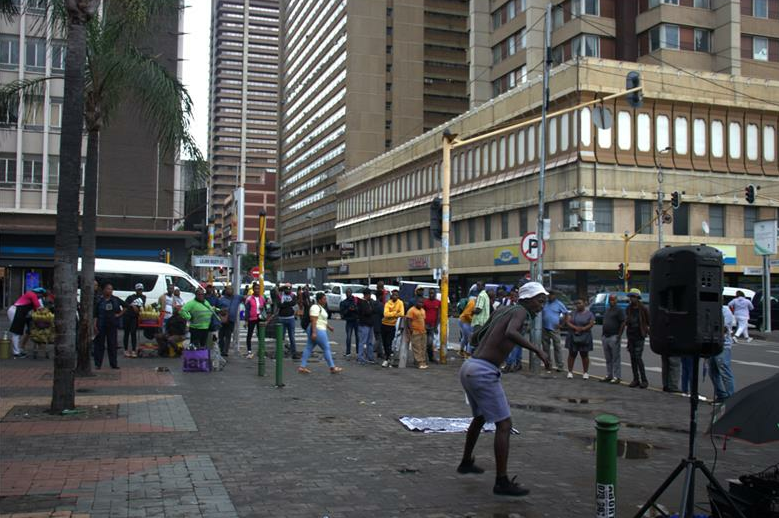
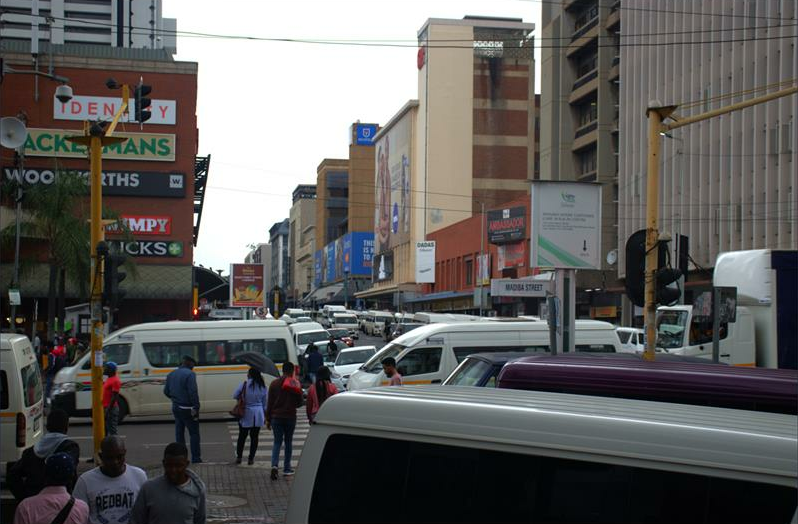
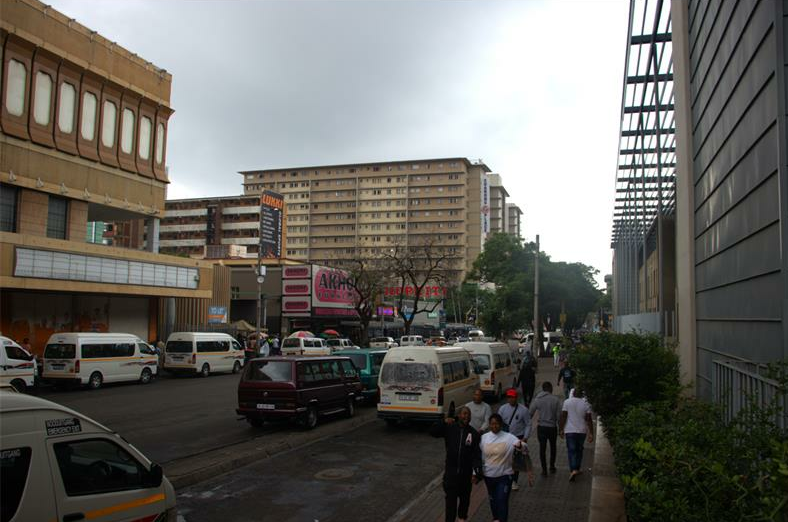
Central ward councillors are welcoming the effort as a much-needed step forward to securing the safety and development of inner-city residents.
Ward 92 councillor Leanne de Jager believes the programme will go far in ensuring the safety of CBD residents who live in these buildings.
“From ward 92, this is a welcome initiative by the City to ensure the safety of citizens and prevent any tragedies,” De Jager said.
Ward 59 councillor Shaun Wilkinson said it’s a crucial step, as the issue of derelict buildings is one that needs to be addressed.
“I think it’s a very important action we’re taking. These are unsafe places and they have huge risks.
“So let’s maybe focus on the revitalisation aspect of it, that’s the potential. If we leave them and do nothing and these neglected structures start becoming occupied, they pose major safety hazards. Look what happened in Johannesburg with those situations of gas explosions and fires, people’s lives are at risk,” Wilkinson said.
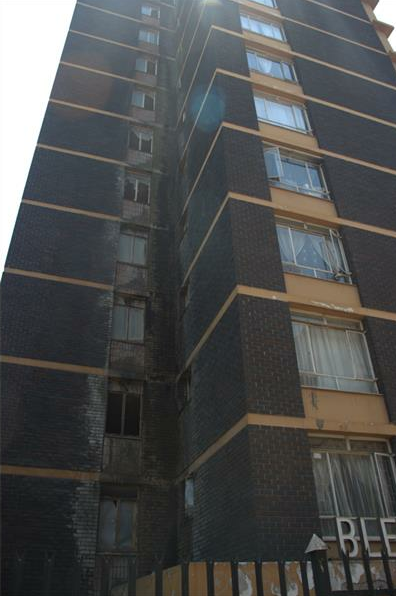
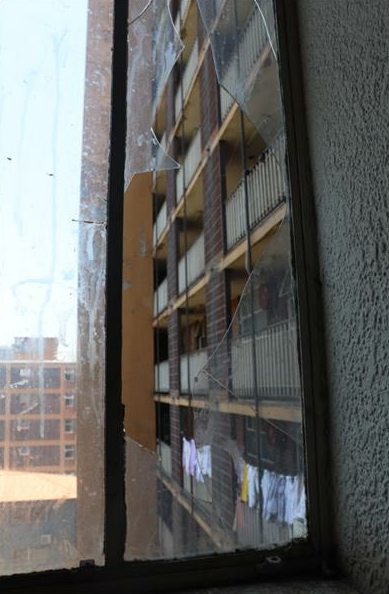
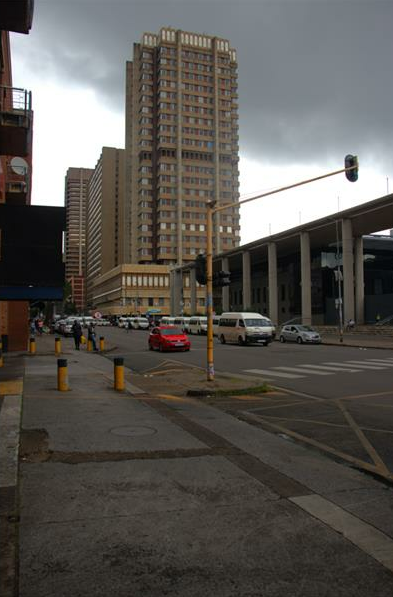
Wilkinson also said the decaying buildings are a hive for crime and possible accidents due to their lack of maintenance.
Another positive aspect to look at according to the councillor, is the possibility of investment as the renewal occurs.
Lifelong Central resident and manager of the Arcadia City Improvement District (CID) Catherin Keyworth has faith in the project but believes it will take a lot of work from the metro to see it through.
“Tshwane has an opportunity to learn from other metros. The key to a project like this is sustainability, consistency and integrity. People deserve safe, decent and affordable housing. We need to look at the structures that allow these harmful and unlawful practices to prosper,” Keyworth said.
Mbali Nzuke, a Boston Media House student in Sunnyside is also hopeful of the project, believing it could bring some much-needed revitalisation to the CBD and provide quality accommodation for her fellow students.
“I think the efforts that are being made to fix decaying buildings in Pretoria CBD are commendable, as they enhance safety, aesthetics, and economic vitality. Currently, I think addressing the decay improves the overall appeal and livability of the area,” Nzuke said.
“I would like to see the buildings rebuilt and fixed up for the people staying there. I wish the government can help on this because we fellow brothers and sisters stay there,” Nzuke added.
Other inner-city building residents are not as convinced. Samuel Ayodeji, who lives on Gerhard Moerdyk Street in Sunnyside thinks that no amount of building repairs will help solve the economic issues urban areas face.
“I think the government should create more jobs in the neighbourhood before any programme. The issue on my street is there are a lot of drug dealers and they influence the kids a lot. Especially high school kids,” Ayodeji said.
Another Central resident with similar sentiments is Mkhululi Komanisi, who says the derelict building he stays in is filled with drug dealers and undocumented immigrants and, until the economic situation of residents is improved, urban renewal will only be a fantasy.
“Our city is crying. We don’t have jobs, education is poor, and everything is dilapidated. Foreigners enter the country illegally and get jobs. For instance, there is a guy close to my flat who is Nigerian and runs a shop that hires only foreign nationals,” Komanisi said.
Komanisi is a resident of the Drakensburg Flats on Nana Sita Street and is confronted by the harsh reality of urban economic instability every day.
“Where I am staying, there are illegal foreigners selling drugs. I’m talking about something I know, not something that I hear, some have guns too. The building doesn’t have electricity and when the police are called they either don’t show up because they are scared or bribed. Fixing the buildings and making things look pretty won’t address the core issues,” Komanisi added.
The TSBB Programme will work closely with key stakeholders and also build partnerships with businesses in the CBD, universities, colleges, NPOs, provincial and national government, and developers in the affordable and student accommodation sector.
The Melgisedek building by the Steve Biko Academic Hospital is at the top of the list.
Do you have more information about the story?
Please send us an email to editorial@rekord.co.za or phone us on 083 625 4114.
For free breaking and community news, visit Rekord’s websites: Rekord East
For more news and interesting articles, like Rekord on Facebook, follow us on Twitter or Instagram