Acitvists warn of growing pollution crisis in our rivers
Pollution indicators from the Rietspruit and Hennops rivers that run through Centurion are raising high concern among water activists.
Water and environmental activists have warned of a pollution crisis affecting local rivers.
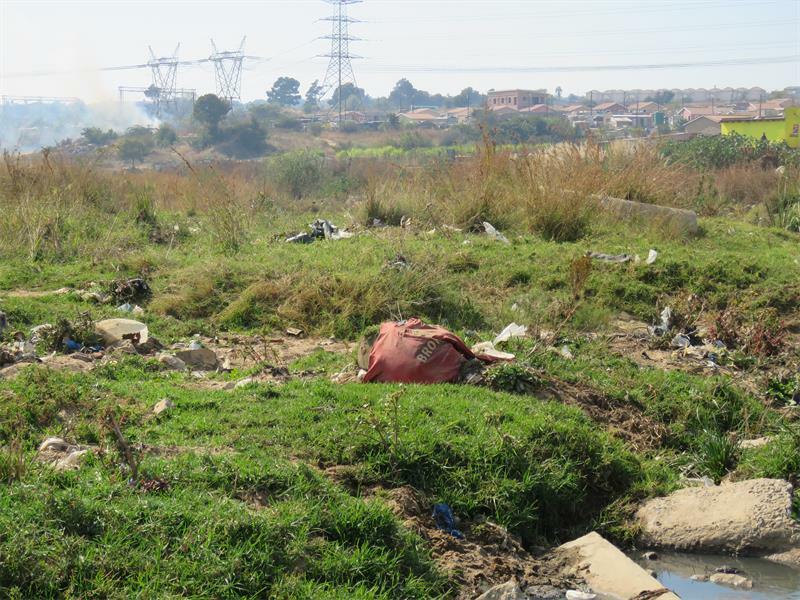
The condition of the Hennops River and the Rietspruit which flows into the Hennops, are getting worse, as local communities suffer the consequences of water pollution.
Local water activist Tarryn Johnston said rivers faced a sewage crisis, while riverbanks have become a hive of criminal activities.
“We have a major sewage crisis, which is evident from the Blue and Green Drop reports that have gone out. Water is a hot topic at the moment, although I don’t think it’s hot enough.”
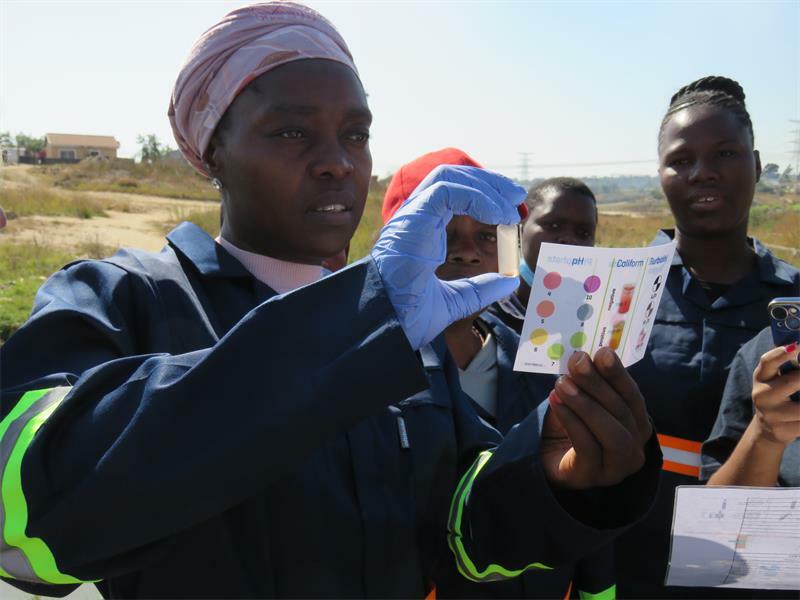
Johnston was speaking at an education programme aimed at empowering local women from Olievenhoutbosch around water conservation.
“We are water, and the way that we treat water is the way we treat ourselves,” she said.
Johnston said: “When we drove in, the first thing I noticed was a water tanker filling up from a fire hydrant,” she said.
“I see this as stealing. You can’t measure it, so it falls into the non-revenue water category, so this is pure loss.”
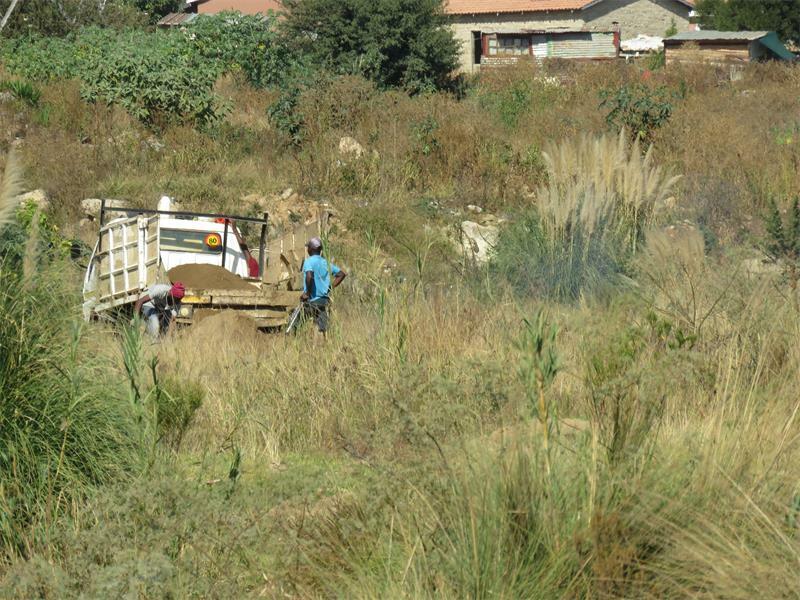
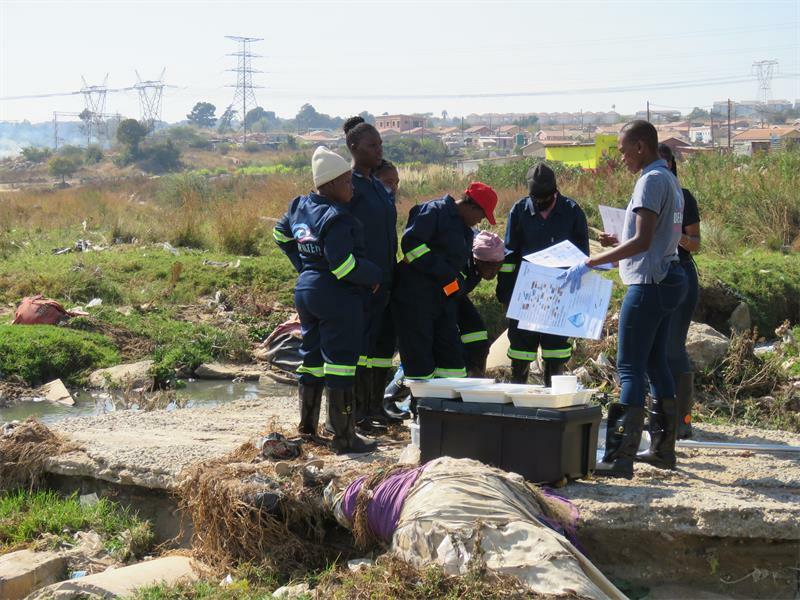
While the programme was underway, illegal sand miners could be seen working out in the open, something Johnston said is becoming too common.
“River sand is required in the making of building processes and it has become a little business on its own.
“This affects the river morphology. Because they are disturbing the sand, a lot of erosion is taking place and then trees are falling into the river, for example, and causing blockages downstream.
“The impact might not be felt here where the illegal sand mining is happening, but everything has a downstream impact.”
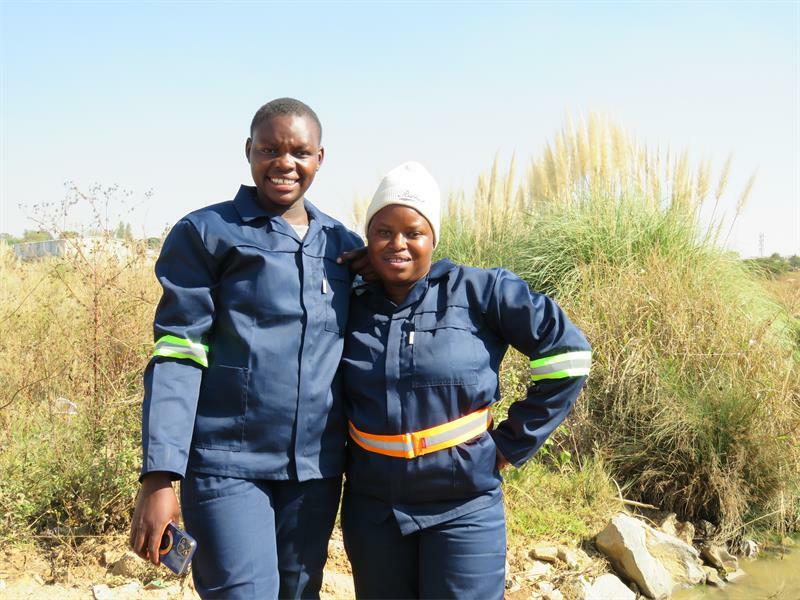
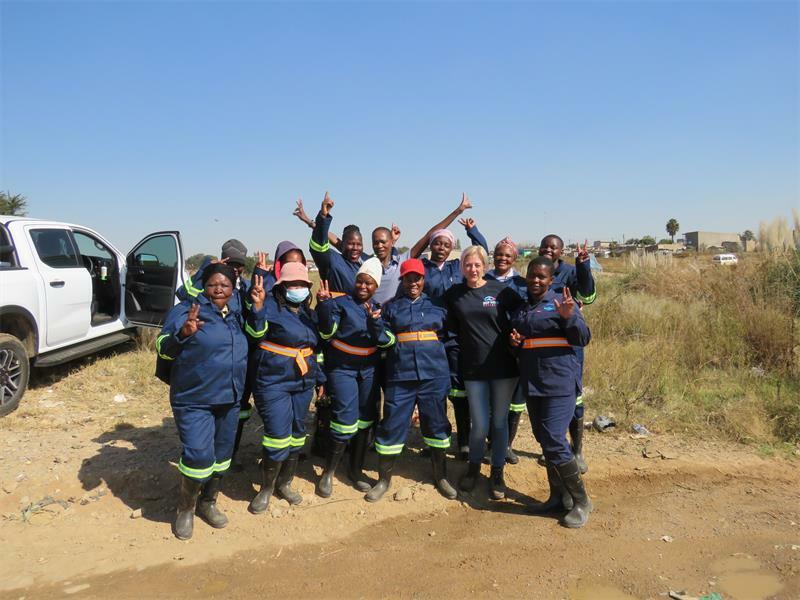
The Hennops River Revival, Triple-P and In Deep Water organisations are focusing on education as they have taken a group of women from Olievenhoutbosch on an empowerment journey around water safety.
“There is a lack of knowledge about our water,” said Johnston.
She explained that the women taking part in the programme were still using a bucket system for water.
The women said they faced challenges including long distances to water sources, contamination risks, and the impact of these factors on their daily lives.
“We’ve been finding there is a disconnect from the knowledge, leading to the extreme pollution we are seeing.
“There’s no way, once you know how polluted our rivers are, that you could continue this way.”
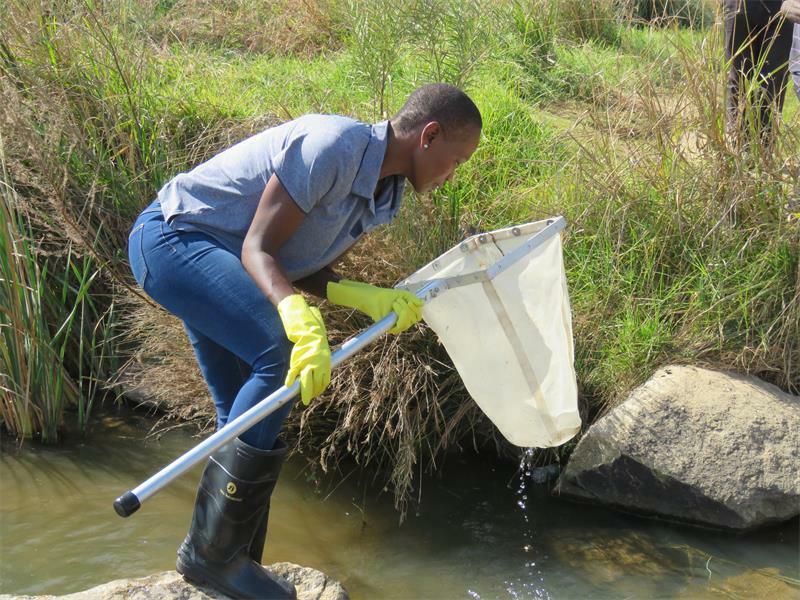
The women were shown how to test the water, with the results showing that the water was in dire condition, with coliform bacteria tests at two sites along the Rietspruit showing positive results.
“And this was even better than the Hennops,” remarked Johnston.
She said other projects were ongoing to address some of the issues, but that it would take a bigger effort to repair the damage done to the river.
Asked to identify the biggest issue of the rivers themselves, she replied that this is not really what the actual problem is, because it is a shorter list compared to other issues surrounding the rivers.
She said desilting began last week as part of a large project at Centurion Lake, while a new litter trap was opened two weeks ago.
Utilities MMC Themba Fosi said earlier in May that this proactive approach was important.
“The presentation of the Irene litter trap served as a stark reminder of the pressing need for localised interventions to combat environmental degradation,” he said.
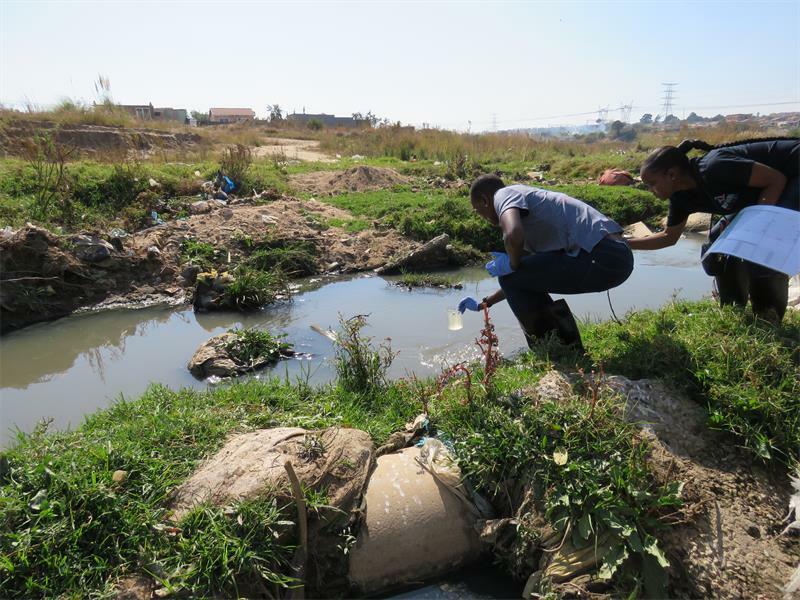
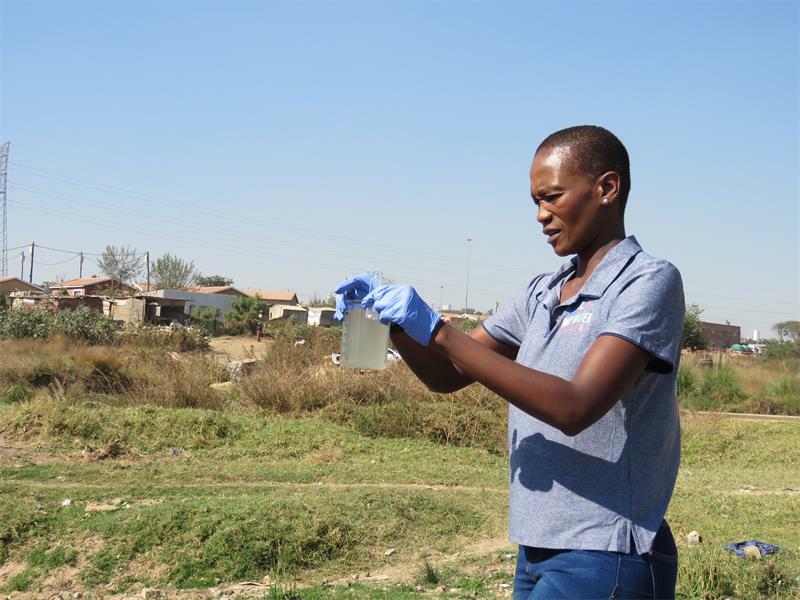
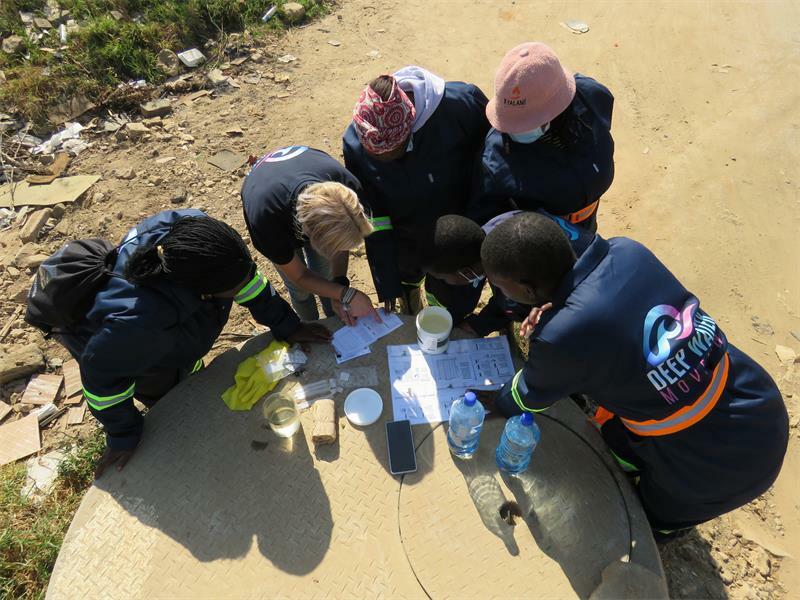
Ntswaki Ditlhale, the founder of Triple-P, said the state of our rivers was alarming.
Her organisation works with under-serviced communities to highlight the links between people and the planet, building an eco-conscious society through collaboration and knowledge sharing.
“We have so many rivers that are polluted, and I feel that the people are so detached from what is happening with our aquatic ecosystems in general,” she told Rekord.
“The more people realise that the water that we drink comes from our rivers, the more people will start being more conscious of how we treat our rivers.”
Ditlhale said 80% of the drinking water we consume comes from river systems across the country, yet most of them are polluted.
She said she hoped people would start joining the dots between the pollution of rivers and the water scarcity that many South Africans are facing.
“We are in [a] water crisis, there is no trying to explain it in any other way.”
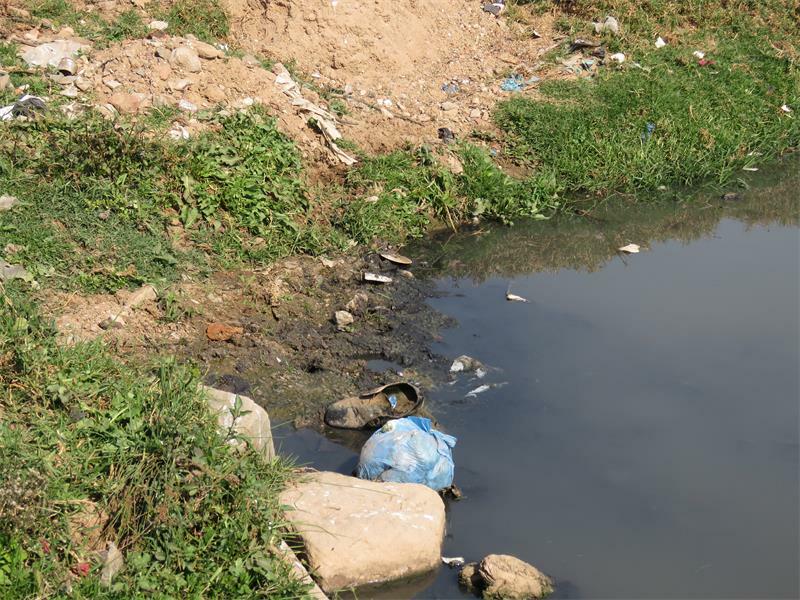
Whether it is water availability due to our dams, the water supply network, or pollution, Ditlhale said these issues were not getting better.
“We have areas such as Hammanskraal, where there is water, but it is contaminated and people can’t drink it.”
Following water scarcity, food insecurity and the economy will be affected by the state of the water in the country.
“One would expect that in the crisis we are now, things would start to change, but things are getting worse.
“As an environmentalist, this was one of the mistakes we have made, to not involve communities to the level that we are today.
“We hope they will take it back into their communities and become water activists themselves. And hopefully, that way we will start to see change,” said Ditlhale.
Do you have more information about the story?
Please send us an email to bennittb@rekord.co.za or phone us on 083 625 4114.
For free breaking and community news, visit Rekord’s websites: Rekord East
For more news and interesting articles, like Rekord on Facebook, follow us on Twitter or Instagram