Tshwane achieves biggest revenue collection in October compared to previous three months
The metro has apparently turned the tide in its quest for financial stability, following the revenue collection of R3.68-billion in October, surpassing the medium-term financial target by 4%.
The Tshwane metro under the ANC-EFF and ActionSA coalition achieved its biggest revenue collection in October, surpassing the average collection of the previous three months.
The metro has apparently turned the tide in its quest for financial stability, following the revenue collection of R3.68-billion in October, surpassing the medium-term financial target by 4%.
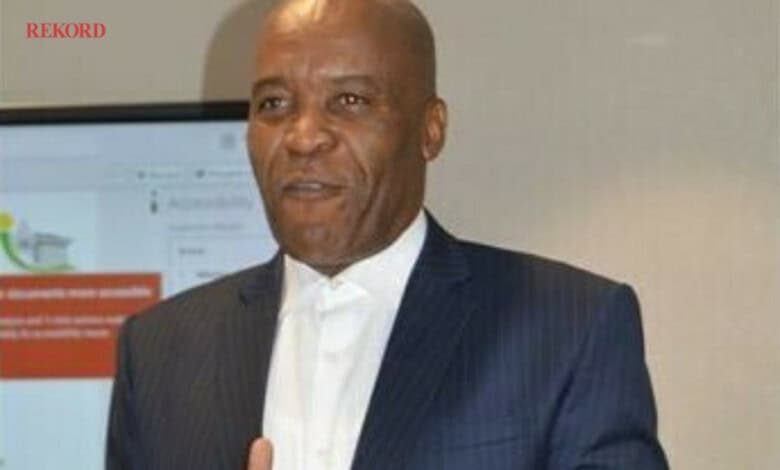
According to MMC for Finance, Eugene Modise, it has exceeded the average collection of R3.5-billion over the previous three months.
Modise said the metro is on the right path to meeting its target of collecting at least R4-billion in revenue per month by the end of January 2025.
He said Tshwane is making advances towards financial stability.
“This positive result reflects the impact of a range of interventions aimed at strengthening revenue collection,” Modise said.
According to Modise, during October, the city logged 116 000 outbound collection calls, which included 94 000 residential and 21 800 business accounts.
“In addition, 48 526 final notices of demand were issued, contributing to the improved revenue flow.”
He said these efforts, along with other strategic measures, signal tangible progress towards the goal of tabling a funded budget for the 2025/26 financial year – which is a key priority in the 100-day Action Plan announced by the mayoral committee last week.
“Increasing revenue collection is crucial for the city’s ability to meet its financial obligations, particularly the significant debt to Eskom, which currently stands at R6.76-billion.”
The current administration has inherited the debt from the previous administration, with the Eskom debt being one of the factors that led to the motion of no confidence against DA mayor Cillers Brink on September 26.
Brink lost the motion of no confidence following three months of embattled discussion about his fitness for office.
ANC councillor Frans Boshielo said the motion was brought due to the metro’s debt of R6-billion to Eskom the late submission of five quarterly audit performance committee reports and unnecessary expenditure on new appointments.
Modise said the Eskom debt had escalated from approximately R1-billion in March 2022 to over R7-billion by the end of September.
“The city is actively engaging with the minister of electricity and energy, as well as with Eskom, to reach an agreement on a structured payment plan for this historic debt,” Modise said.
He said efforts to improve revenue collection will continue to intensify in the coming weeks.
“Our debt management initiatives are focusing on high-value accounts, including 1 354 accounts with outstanding balances of over R1-million each, collectively amounting to R4.6-billion.”
Modise added that to promote a culture of payment, which is essential for the metro’s financial sustainability and the provision of quality, reliable services to all residents.
He said several targeted measures will be implemented to address non-payment.
He said the metro will continue auditing accounts in industrial areas to ensure compliance with tariff classifications, with penalties imposed for non-compliance.
Modise said the city will look at addressing the issue of illegal water and electricity connections which cost the metro millions.
“Addressing illegal connections is paramount, especially among informal car wash businesses, as part of a proactive approach to revenue protection.”
Modise said enhancing the accuracy of meter readings by reducing the 41% estimated readings rate will help with improving revenue.
“Our target is to achieve 95% actual readings, ensuring that residents are billed for their actual consumption.
“Restoring the city’s financial stability and preserving the prestige of the capital is a shared responsibility.
It is only through a partnership between the city and Tshwane residents that we can secure a sustainable future for all who call Tshwane home.”
Mayor Dr Nasiphi Moya has announced a comprehensive 100-day action plan aimed at revitalising the metro.
The priorities in her plan are financial stability, economic revitalisation, infrastructure development, equitable basic service delivery, by-law enforcement and community engagement.
“The city’s budget has been unfunded for several years, meaning we lack sufficient income to cover expenses, including the provision of basic services and capital investments,” she said.
Tshwane’s debt stands at over R11-billion.
Do you have more information about the story?
Please send us an email to bennittb@rekord.co.za or phone us on 083 625 4114.
For free breaking and community news, visit Rekord’s websites: Rekord East
For more news and interesting articles, like Rekord on Facebook, follow us on Twitter or Instagram