Tree branch waste to support Pretoria Zoo’s conservation efforts
The project is set to be rolled out to all seven regions of Tshwane with the aim of reducing waste and promoting a cleaner environment.
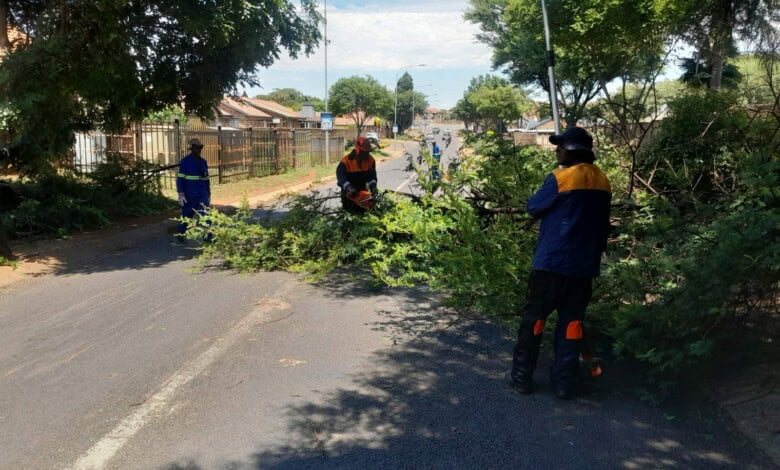
Ward councillors in Centurion have partnered with the Pretoria Zoo to collect and donate tree branches from pruning exercises to reduce waste and provide a sustainable source of food for animals.
The project, set to be rolled out to all seven regions of Tshwane, aims to not only reduce waste but also to promote a cleaner environment and support the zoo’s conservation efforts.
Ward 66 councillor Ina Strijdom said the initiative was inspired by a similar project at the Johannesburg Zoo.
“It involves collecting tree branches from pruning exercises and donating them to the Pretoria Zoo to be used as feed for the herbivore animals.”
She said the project was initiated after she had to deal with the challenge of trees being cut around electricity cables to avoid constant outages.
Strijdom said the challenge thereafter was to get the cut branches removed.
“A Hennopspark resident alerted me to an initiative that Johannesburg Zoo has, where they collect these branches to use as feed for animals.”
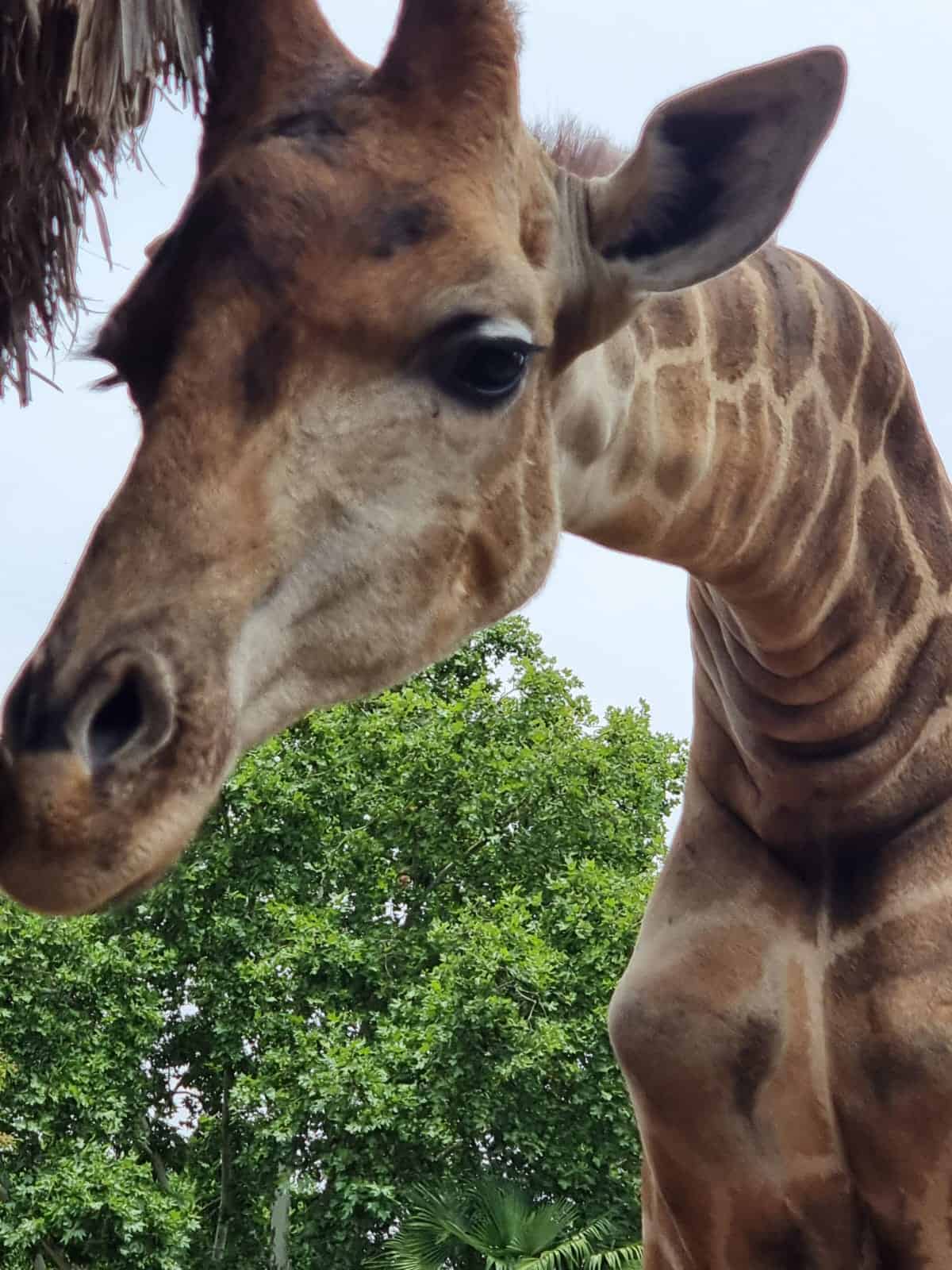
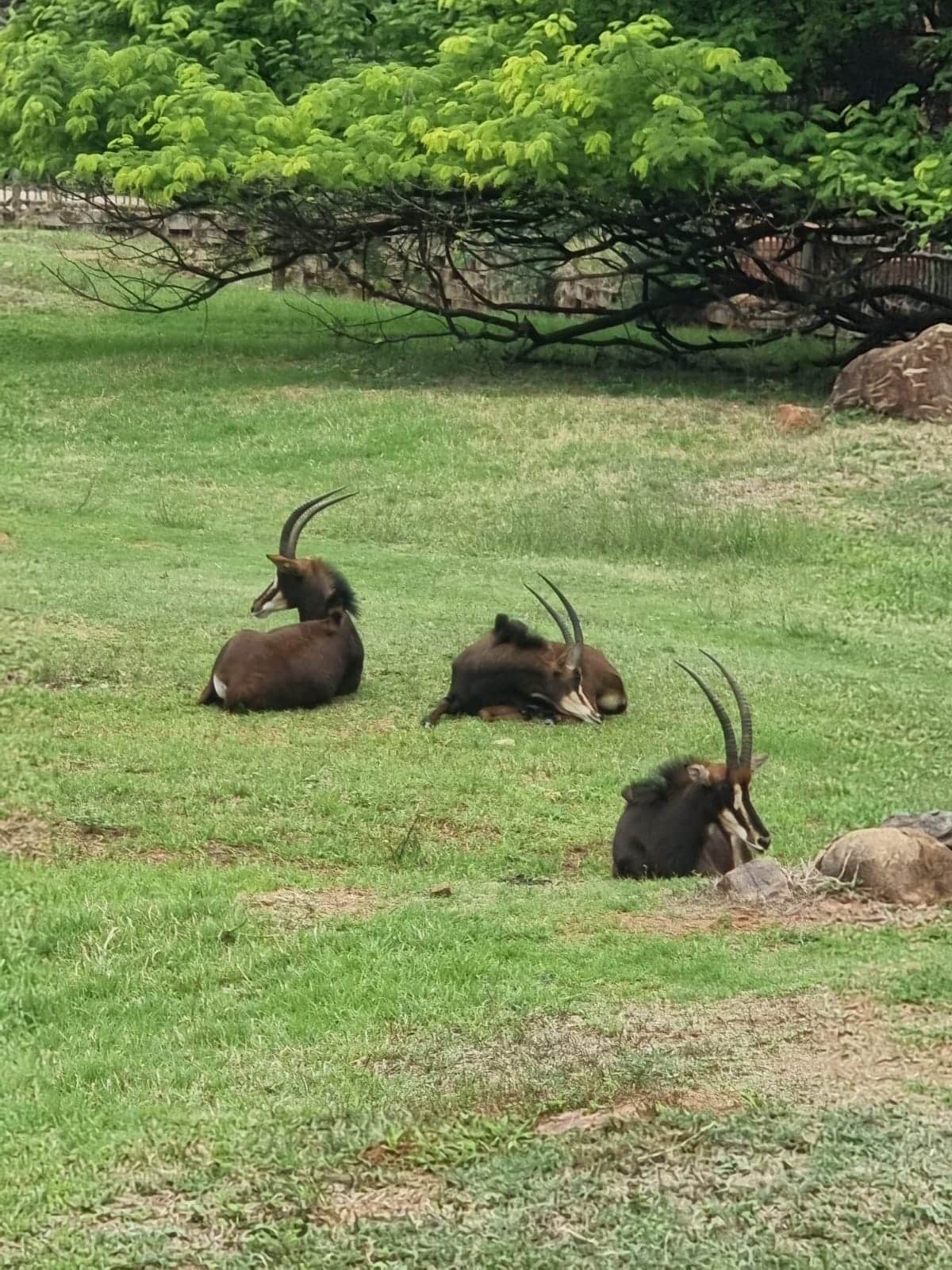
Strijdom said she then got in contact with Pretoria Zoo to ascertain whether they have a similar project.
“I found out there has never been such a collaboration between the City of Tshwane and Pretoria Zoo and arranged a meeting between the Region 4 Urban Forestry team and the Pretoria Zoo team responsible for feeding the herbivores,” she said.
Strijdom said the zoo team explained they sometimes had to drive past edible branches, not being able to load it, while their plant eaters were suffering.
She said after the meeting they all agreed to pilot the project in Region 4 to smooth out all obstacles.
“Urban Forestry will pursue the city in signing a memorandum of agreement to roll out the initiative to all seven regions in Tshwane.
“The project is also important for the community because it reduces the amount of waste material in the area and also conserves future natural resources.”
Strijdom added that during storms trees are unrooted, while trees always have to be pruned, which would ensure that the project remained sustainable.
“Some tree cutoffs need to be fresh for animals, which means they need to be transported directly after being cut.”
She said this might be a challenge, especially for regions not close to the zoo.
Strijdom expressed her excitement about the project and stated that they were advocating a cleaner environment for everyone.
In Ward 69, councillor Cindy Billson said recently cut branches from Reddersburg and Rooihuiskraal roads were successfully donated to the zoo, marking the first contributions from her ward.
She said more trees would be cut in the area and added to the first donated few.
“Trees would often lay on the pavements for weeks, but this project allows for their removal sooner.”
Billson said safety was also a concern, as residents have to drive past the cut or broken trees on street corners where criminals with sinister intentions often hide at night.
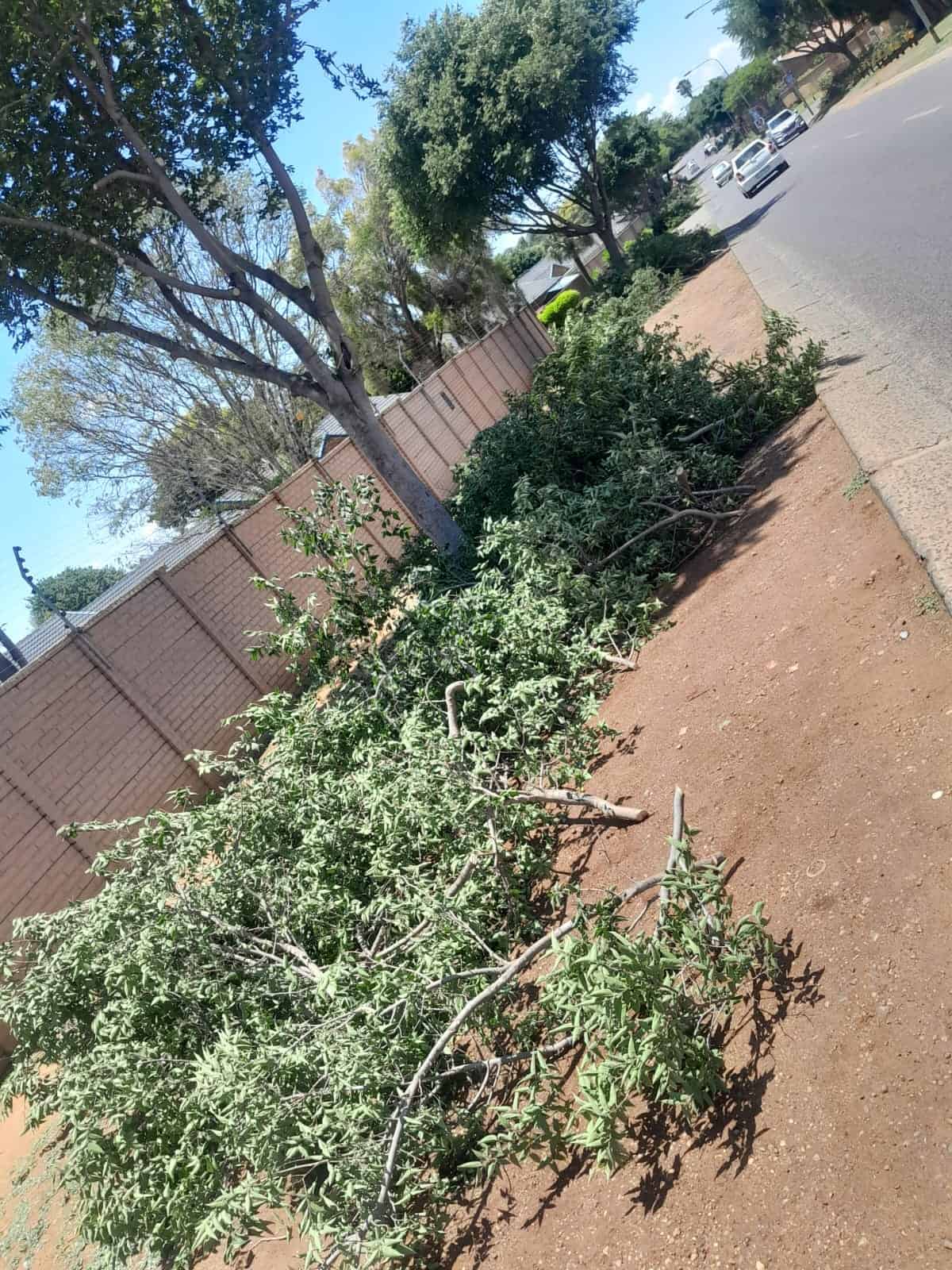
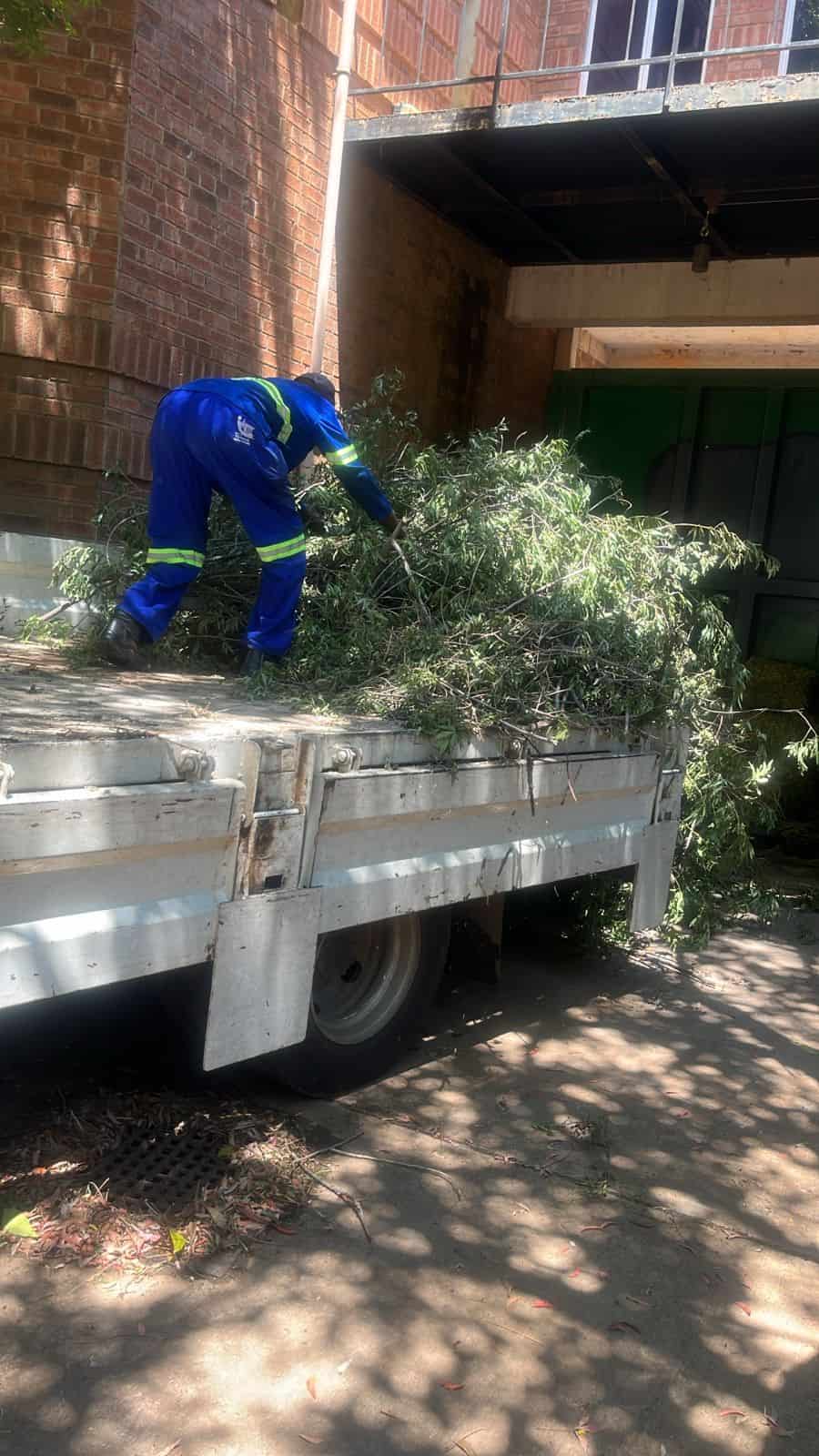
She added that the removal of the trees on the streets also helps keep the neighbourhood clean.
“This is a vital project because it benefits both the residents in the ward and the animals at the zoo.”
South African National Biodiversity Institute (SANBI) spokesperson Nontsikelelo Mpulo said the project has the potential to significantly improve zoo animals’ diets.
“Although the herbivores at the zoo are fed specialised processed cubes and baled grasses, natural unprocessed browse adds beneficial properties to their diet,” she said.
She said the branches are not just used for feeding but also serve other purposes.
“The browse is used as a treat and enrichment for a variety of species, for example, our parrots.
“We use thicker browse as perches for the birds and enclosure furniture for the small primates and carnivores.”
Mpulo highlighted that the zoo staff often struggled to collect enough suitable browse during the winter months, as many preferred tree species lose their leaves or become less palatable.
“To address this, the zoo has plantations of indigenous trees near its premises to supplement the supply.”
She said communities around Tshwane have been supplying the zoo with browse from the trimmings during the maintenance of their yard for more than three years now.
“Most of the browse gets delivered by the public to the zoo, but the National Zoological Garden (NZG) team collects, if necessary when given the pin location.”
Mpulo said the specific tree species they require are Celtis africana (white stinkwood), Vachellia (Acacia), Rhus, Combretum, mulberry, Bauhinia purpurea (orchid tree), Dombeya rotundifolia (wild pear tree), and Ziziphus mucronata (buffalo thorn).
She said staff members were aware of which species were edible for the animals, and always identified them beforehand.
Mpulo said one of their long-term goals included working with the metro to identify suitable trees to be used and to prune them correctly to ensure sustainable harvesting.
She also suggested planting new browsable species throughout the city to secure a steady supply of branches.
Mpulo encouraged the public to get involved by providing browse from tree trimmings in their yards or by supporting the zoo through programmes like the ‘Adopt-an-Animal’ initiative.
“Residents can help us to do big things for both the animals and the zoo.”
Do you have more information about the story?
Please send us an email to bennittb@rekord.co.za or phone us on 083 625 4114.
For free breaking and community news, visit Rekord’s websites: Rekord East
For more news and interesting articles, like Rekord on Facebook, follow us on Twitter or Instagram