Tshwane concerned about high water usage
According to Tshwane spokesperson Lindela Mshigo, the metro’s reservoirs are showing temporary improvement in water levels, but high consumption is making it difficult to sustain healthy levels.
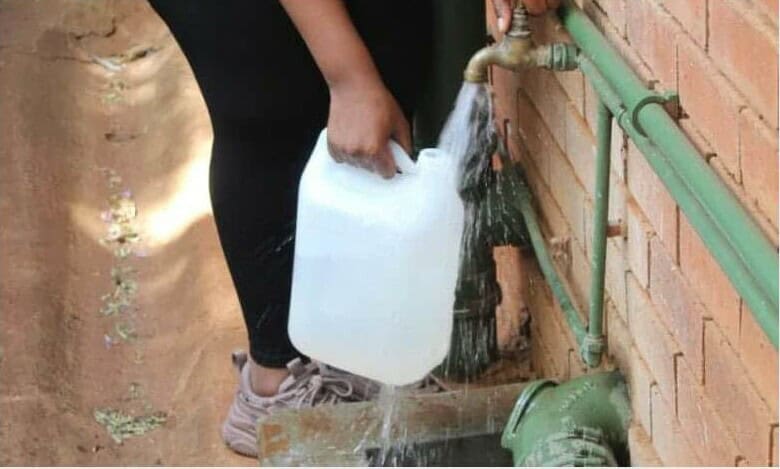
Despite a temporary improvement in water levels, Tshwane reservoirs are still struggling to cope with high consumption, leaving the metro’s residents facing the possibility of increased water restrictions.
This is according to Tshwane spokesperson Lindela Mashigo on January 7.
He said metro reservoirs were showing temporary improvement in water levels, but residents and businesses were still overusing water.
[In Graphs] The Red line in the graph represents Rand Water’s consumption agreement with the Metros.
The Blue line in the graph shows the consumption patterns/trends (up and down the red line) of the Metros. @JHBWater @City_Ekurhuleni @CityTshwane @GautengProvince @DWS_RSA pic.twitter.com/W99Pbvb9Ze
— Rand Water (@Rand_Water) January 7, 2025
Mashigo said despite the high usage, the restrictions imposed in Tshwane would remain as is.
“There are no changes in the current level 1 restrictions.
However, the metro remains concerned about the high water consumption, which might lead to increased levels of restrictions.”
Last year, Rand Water announced that Tshwane is one of the metros with the highest water consumption in Gauteng.
Tshwane, along with all other municipalities in Gauteng, has been placed under Level 1 water restrictions due to severe strain on supply.
“Level 1 water restrictions, which were implemented in October 2024, are still in place,” said Mashigo.
These restrictions prohibit:
– Watering or irrigation of gardens with a hosepipe or sprinkler system between 06:00 and 18:00
– Using a hosepipe to clean driveways or patios.
– Washing vehicles with a hosepipe.
– Filling or topping up swimming pools or water features.
To make sure residents comply with the restrictions, Mashigo said the metro is conducting education and awareness campaigns through schools and community engagement sessions.
“The city also issues media releases on a regular basis to inform the residents about the importance of water conservation and provides tips on how communities can use water sparingly.”
Mashigo said the metro is planning on applying additional water-saving measures and initiatives, like reservoir and network restrictions, prioritisation of leak repairs, as well as extensive communication on making the public aware of water conservation.
Amabutho worked tirelessly overnight in the rainy weather to repair pipes and restore the water supply to Erasmus, Bronkhorstspruit, and eKangala. Their dedication is truly commendable! This team has my heart ❤️. @CityTshwane pic.twitter.com/NN6FLSeB9m
— Dr Nasiphi Moya (@nasiphim) January 7, 2025
Tshwane mayor Dr Nasiphi Moya warned that the city relies heavily on water received from Rand Water-managed supply systems, Palmiet and Mapleton.
“If these systems experience issues, the city is unable to supply water to reservoirs that are scattered across our regions,” she said.
Moya added that Rand Water is currently restricting water supply to Tshwane as part of measures to curb water shortages in Gauteng.
“The city is doing all it can to monitor and balance reservoirs given the restrictions from Rand Water,” she said.
Riamarpark and Zithobeni ext 1 and 4 #watersupply interruption due to a collapsed pipeline. A 300mm AC supply pipeline from the Zithobeni East supply reservoir collapsed next to the Zithobeni taxi rank. Team will commence with repairs once repair items and equipment are on site. pic.twitter.com/5U0BWKeYNi
— City of Tshwane (@CityTshwane) January 7, 2025
Also read:
Do you have more information about the story?
Please send us an email to bennittb@rekord.co.za or phone us on 083 625 4114.
For free breaking and community news, visit Rekord’s websites: Rekord East
For more news and interesting articles, like Rekord on Facebook, follow us on Twitter or Instagram