Warning over Hennops River pollution
The Fresh Action Group warns that the ingestion of even small amounts of microcystin present in the river can cause serious health problems, such as liver damage and even sudden death.
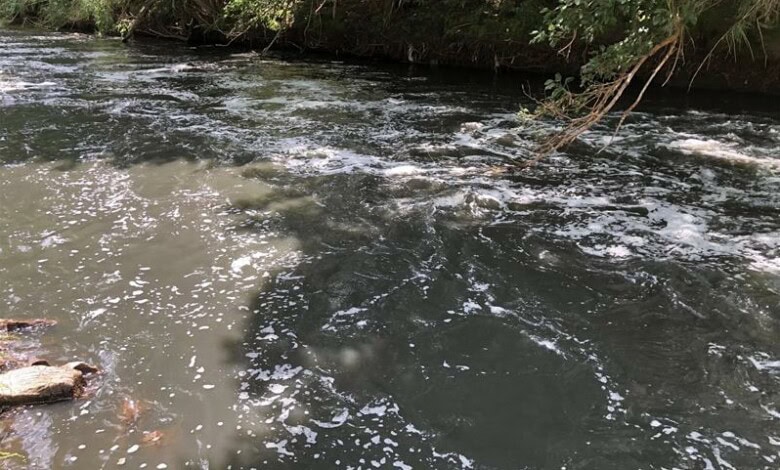
While the recent rain has offered a glimmer of hope for the Hennops River, the fight against pollution is far from over.
The river is currently facing an alarming environmental and health crisis due to a cyanobacteria (blue-green algae) bloom.
Willem Snyman of the Fountain River Earth Sanctuary Hennops (Fresh) action group said that the recent rains have allegedly washed the Hennops River and diluted the cyanotoxins.
“The cyanobacteria blooms require specific conditions and certain amounts of toxins in the water to continue occurring,” said Snyman.
He explained that, at the moment, the clean rainwater has diluted the cyanotoxins, so the concentration is not high enough to sustain these concentrated blooms.
He said that while there are still cyanotoxins in the river, they are not present in sufficient quantities to discolour the water.
“We need to address the sources of pollution that threaten the river’s health and the safety of those who depend on it,” Snyman emphasised.
He added that the CyanoLakes website has reported alarmingly high levels of cyanobacteria in the nearby Rietvlei Dam, which supplies water to Tshwane.
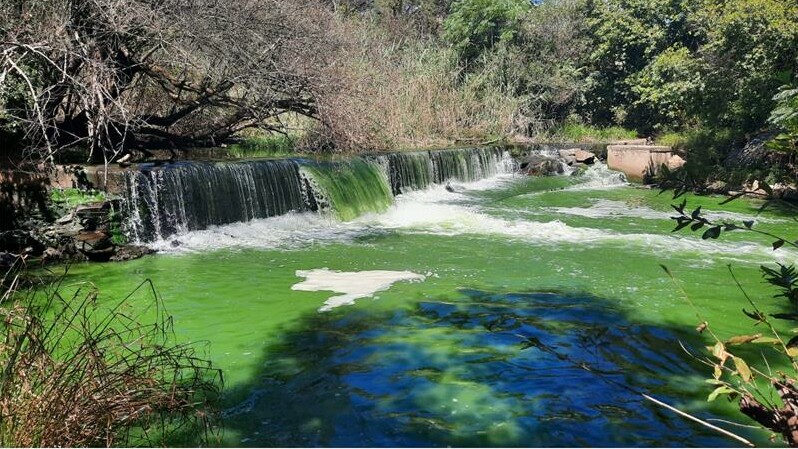
Image: Supplied
He warned that these elevated cyanobacteria levels are endangering public health, as the toxins flow downstream into the Sesmylspruit, affecting both communities and ecosystems.
The dire circumstances surrounding the Hennops River did not emerge overnight.
In late December, the Fresh Action Group issued a health warning about the cyanobacteria bloom in the Hennops River, which was caused by severe sewage pollution from areas upstream of the Rietvlei Dam.
At that time, the group highlighted the serious health risks posed by toxins produced by these algae, particularly microcystin, which can cause severe liver damage.
“These blue-green algae produce a potent neurotoxin and carcinogen, microcystin, which acts quickly and attacks the central nervous system and liver,” they said.
The group advised people to avoid all contact with this water and to ensure their pets do not come into contact with it.
“Animals along the river’s edge, including large mammals like buffalo and elephants, are at risk of succumbing to the toxins.
“The ingestion of even small amounts can cause serious health problems, such as liver damage and even sudden death.”
The group pointed out that the toxins can bioaccumulate in edible crops, posing significant risk to those who consume them.
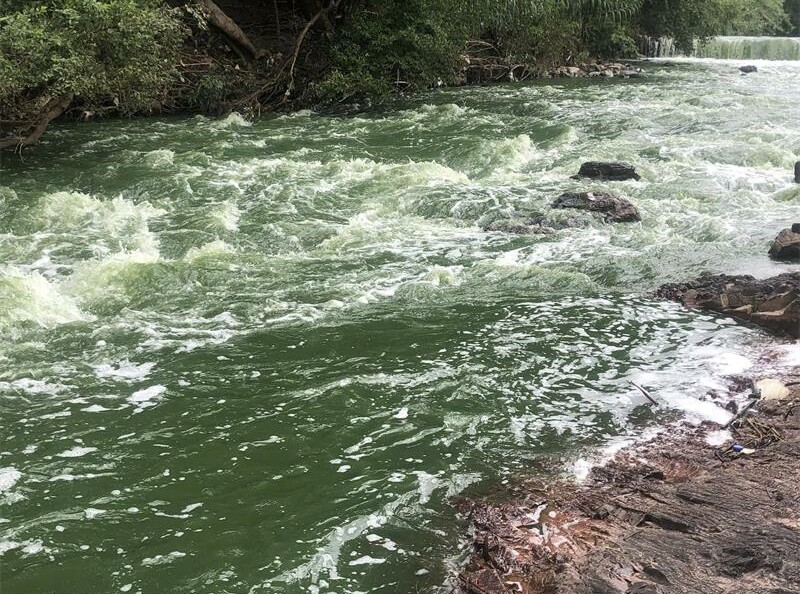
According to the group, the pollution is primarily caused by improper sewage treatment in the City of Ekurhuleni.
In early December last year, the Tshwane metro identified that the pollution in the Hennops River was primarily due to overflowing sewage from Ekurhuleni and Johannesburg.
Metro spokesperson Lindela Mashigo confirmed at the time that the city was aware of the state of the river after residents complained about its awful smell.
“It is a cross-border challenge, and the matter has been escalated to the National Department of Water and Sanitation for intervention,” Mashigo said.
Hennops Revival Founder Tarryn Johnston recently told Rekord that the recent blooms in the river are nothing new.
She said that they have been occurring for many years, at least once or twice a year.
“There are many contributing factors, and it is not isolated to just wastewater treatment plants.”
Johnston said these factors include street litter, a significant contributor, illegal dumping, burst manhole issues, and everything else that flows into the river.
“Illegal dumping is rampant. This happens on almost every road in any area.
“We have removed tons of trash from the river in the last five years in a relatively small part of the almost 100km river, by hand.”
She mentioned that the recent floods have exacerbated the situation.
“We started in November 2019 and have removed millions of kilograms of trash from the Hennops River in Centurion alone.”
According to Johnston, she allegedly conducted 478 cleanups between January 2022 and June 2024, collecting over 100 000 bags of waste.
She emphasised that now is not the time to point fingers.
“This is the time for action, and anyone who is still pointing fingers does not want to take accountability.”
Also read:
Do you have more information about the story?
Please send us an email to bennittb@rekord.co.za or phone us on 083 625 4114.
For free breaking and community news, visit Rekord’s websites: Rekord East
For more news and interesting articles, like Rekord on Facebook, follow us on Twitter or Instagram