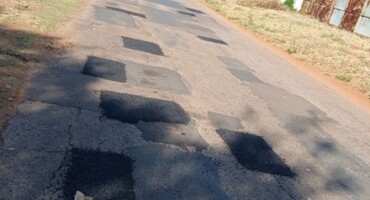
Centurion residents at their wits’ end over illegal squatting
The issue of illegal squatters has been a headache to residents over the past few years.
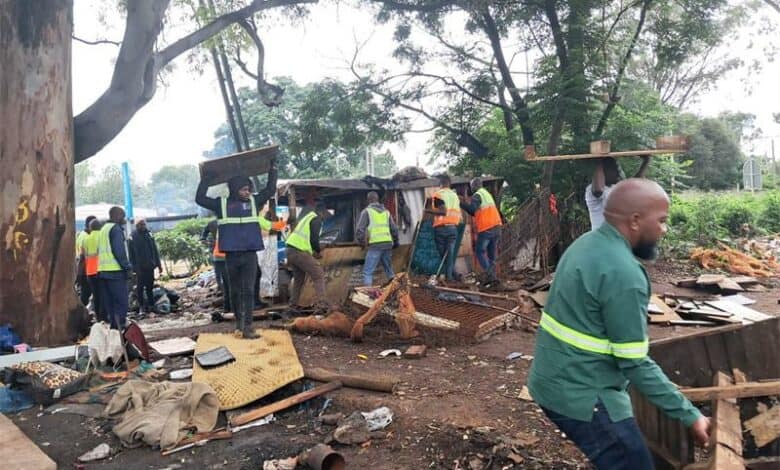
Illegal squatting in various areas of Centurion continues to frustrate residents who have long endured the negative consequences of the problem in their communities.
Residents near such areas have raised concerns about crime and deteriorating living conditions, which have left them feeling unsafe and unheard.
Maria van Tonder, who lives near the Sports Park informal settlement, expressed her frustration regarding the high crime rate, which she believes is caused by the squatters.
She said the site has become a breeding ground for criminal activity.
“A community member’s motorbike that was stolen recently was recovered in the squatter camp,” she said.
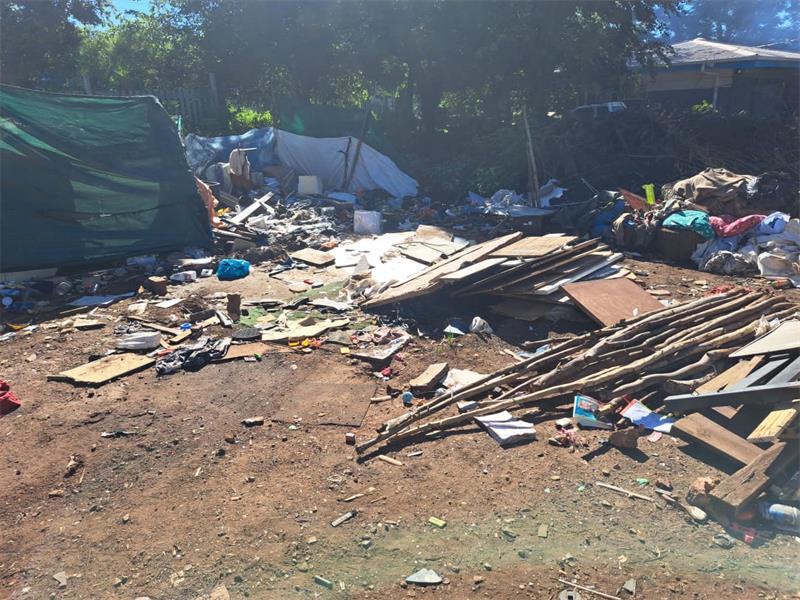
She added that she feels uneasy whenever she parks her car outside, as it might be stolen anytime.
“I also had to advise my children to stop leaving their bikes outside because wall jumping has also increased here.”
She added that drug dealing is also rampant in the area.
Cosmos Café business owner Stephan Swanepoel told Rekord the situation at the informal settlement near Plant Ranch in Rabie Street has remained the same since Rekord last reported on the matter.
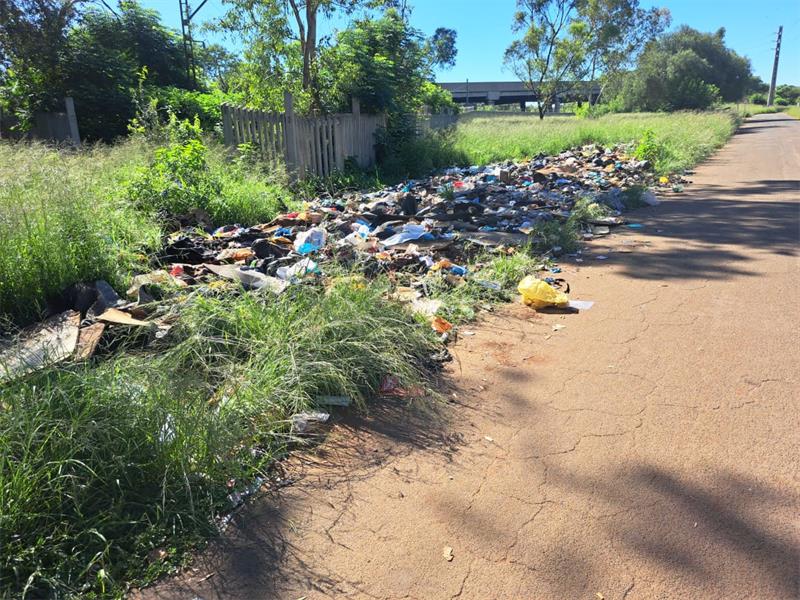
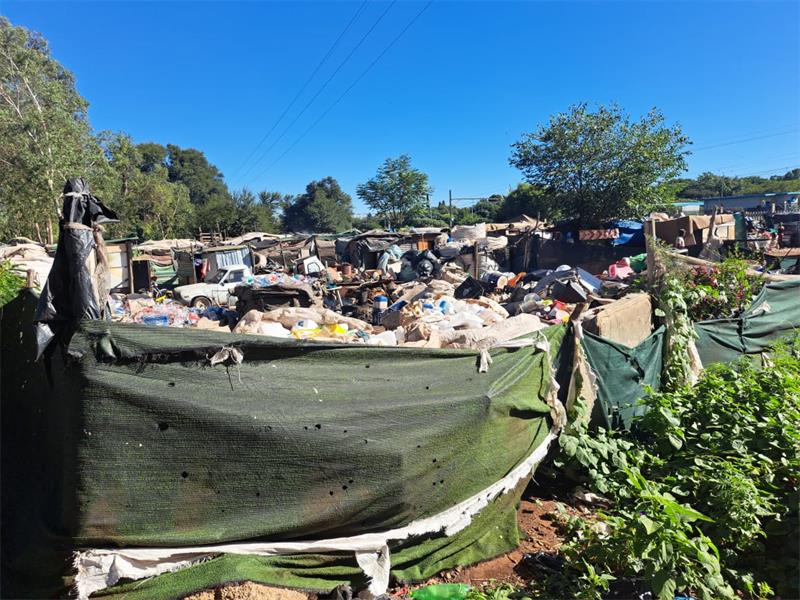
In November last year, he shared his experiences of running a business in that area.
“There used to be break-ins at the shop before I changed the security system.”
At the time, Swanepoel recounted an incident in which he witnessed a woman being dragged into the informal settlement while he was unloading items from his car.
He described the helplessness he felt as such alarming incidents seem to occur with increasing frequency.
“I heard a lady screaming while I was offloading things from my car in the parking lot, and when I looked up, I saw her being dragged inside the informal settlement,” he said.
Swanepoel expressed his frustration with law enforcement efforts, which he feels has done little to address the root of the problem.
He described how structures within the informal settlement were previously demolished by the Tshwane Metro Police Department (TMPD) on multiple occasions, only for the squatters to rebuild them shortly thereafter.
Charmaine Gray, a concerned Rooihuiskraal North resident, previously raised concerns about the illegal squatting alongside the R101 Old Johannesburg Road in Centurion.
She said there was a daily increase in the number of squatters.
“They often ignite fires along the wall, which pose a serious risk to nearby homes,” Gray said.
“We’ve had squatters jump over the wall [fence] to steal, leading to residents being harmed in the process.
“In the past, we’ve had residents whose houses have been broken into.”
Gray’s concerns extended beyond crime. She also fears for the health of children in this area.
“I feel bad for the children that live at the site, who are subjected to living under such harsh and unhealthy conditions.
“Sewage flows everywhere, and these people don’t even have toilet facilities or a place to bathe,” she said.
A group of at least 50 homeless people living alongside the road told the metro during their visit to the area in November last year that they were not interested in relocating to a shelter.
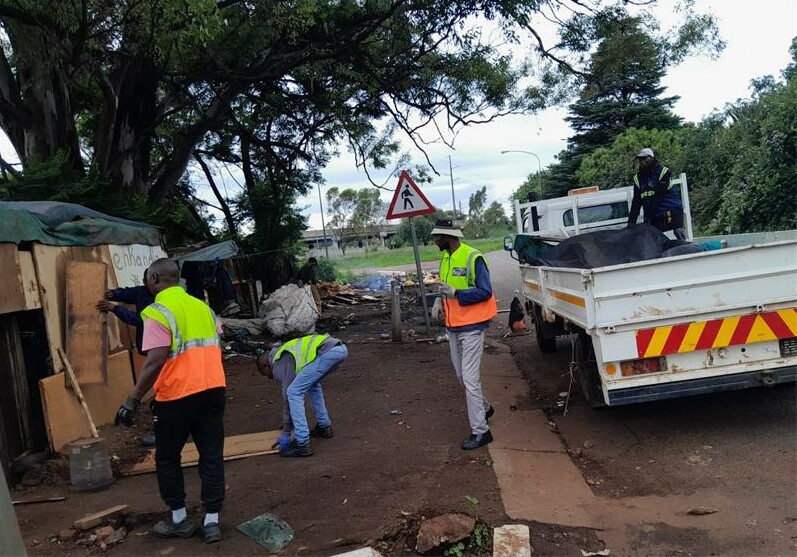
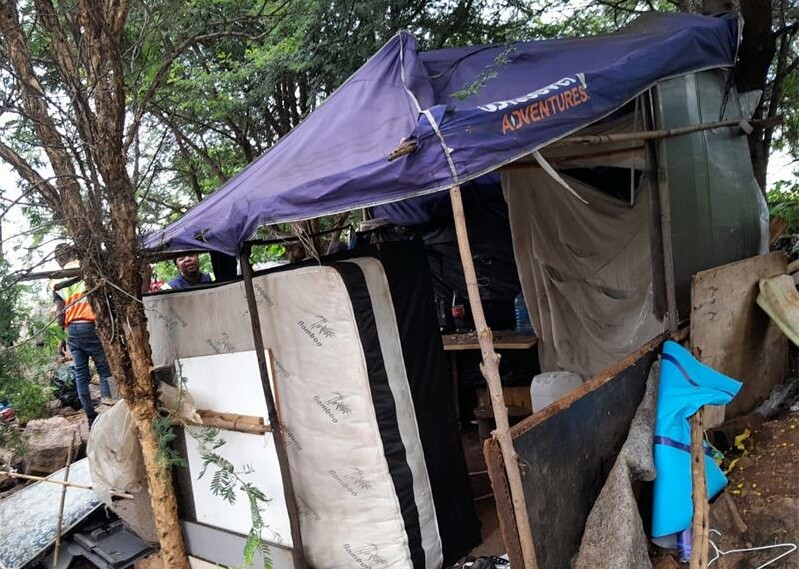
Ward 57 Councillor David Farquharson emphasised that it was the metro’s responsibility to address illegal squatting on municipal land.
He proposed proactive measures to prevent reoccupation, such as fencing off vacant municipal land and implementing regular security patrols.
“It’s the city’s responsibility to remove these illegal squatters on municipal land,” he said.
However, Farquharson pointed out that in cases where squatters occupy provincial land, the responsibility shifted to the landowners.
He said if the metro acts quickly before structures are even built, it can stop land invasions.
He said when squatters have been there for long, they can only be evicted by court order.
Farquharson added that residents raise concerns every day about the escalating crime due to the illegal squatters.
“There are a total of six illegal taverns operating in the squatter camp near Sports Park station.”
The metro has acknowledged the challenges posed by illegal squatting, particularly in Region 4.
Tshwane metro spokesperson Lindela Mashigo explained that while the city provides homeless shelters in collaboration with nonprofit organisations (NPOs), these facilities are predominantly located in the inner city of region 3.
“The shelters cater to men, women, and children, offering temporary accommodation for a period not exceeding six months,” Mashigo said.
However, he noted that squatters in region 4 are reluctant to relocate to these shelters due to the distance from economic opportunities.
“There are no homeless shelters in region 4, and the illegal squatters there seek more permanent housing solutions, such as houses, which involves its own set of processes,” he added.
Mashigo also pointed out that metro shelters are primarily aimed at addressing immediate temporary housing needs so are not a long-term solution.
“He said the illegal squatters, currently residing in region 3, have primarily settled there for economic reasons, as the area they occupy is in close proximity to economic opportunities and activities.
“They have, however, expressed a willingness to be relocated, even to areas distant from potential economic opportunities.”
MMC for Community Safety, Hannes Coetzee, visited the Sports Park squatter camp on January 29 to inspect the progress made by the TMPD in removing rubble from the area earlier this month.
As mmc community safety (Rambohannes) we will ensure Bylaw enforcement in all 7x regions of Tshwane. Today our metro teams cleaned up 2x areas in centurion and lyttelton. pic.twitter.com/WvMCUzpdrx
— mmc Community Safety ( Hannes coetzee (@Rambohannes) January 13, 2025
As mmc community safety, I have done a pre inspection at super sport park regarding a petition where only a portion was cleaned but nearly 1000 people staying on the praza railway line ,illegal dumping. Squatting, health issues,crime. We need to continue to enforce city Bylaws pic.twitter.com/XX8EWwdJja
— mmc Community Safety ( Hannes coetzee (@Rambohannes) January 29, 2025
Coetzee acknowledged the living conditions in the informal settlement are unhealthy.
“I spoke to the leader of the informal settlement, and he agreed to make a list of local people as well as foreigners. Two petitions were also received.”
However, he stressed that resolving the issue is a complex process that requires collaboration among various stakeholders.
“A forum must be established between different stakeholders, including the metro, Prasa, and others, to address the concerns of about 1 000 residents in the area and come up with a proper plan,” Coetzee said.
He emphasised the importance of following due process when relocating squatters, noting that a court order is required for such actions.
“People cannot just be moved without the necessary court order. Due processes must be followed,” he explained.
He added that finding a sustainable solution will take time but assured residents that efforts are underway.
“This is not an overnight solution, but we are getting on it,” he said.
Do you have more information about the story?
Please send us an email to bennittb@rekord.co.za or phone us on 083 625 4114.
For free breaking and community news, visit Rekord’s websites: Rekord East
For more news and interesting articles, like Rekord on Facebook, follow us on Twitter or Instagram or TikTok.