Understanding radiotherapy for cancer patients – a guide for patients and families
Cancer is a life-changing diagnosis, but advancements in medical science have made treatment more effective than ever before.
One of the key treatment options available is radiation oncology, more commonly referred to as radiotherapy or radiation therapy, a specialised field that uses high-energy x-rays to target and destroy cancer cells.
Early diagnosis saves lives – so does screening
It is important to take your health seriously and proactively schedule regular health screenings with your healthcare provider. Prevention and early detection of disease is key and when it comes to cancer patient outcomes are improved if detected and treated early. In some cases, such as in breast cancer for example, young women may be misdiagnosed because of the misconception that they are too young to have breast cancer. In our modern age, we know that this is not true, breast cancer and many other types of cancer are affecting both young women and men of all ages. If you have concerns about your risk of cancer or your health, don’t wait – speak to your doctor and prioritise screening.
How does radiation therapy work?
Radiation therapy works by damaging the DNA of cancer cells, preventing them from growing and spreading. Over time, the tumour shrinks or disappears entirely. While normal cells may also be exposed to radiation, they have a better ability to repair themselves compared to cancer cells.
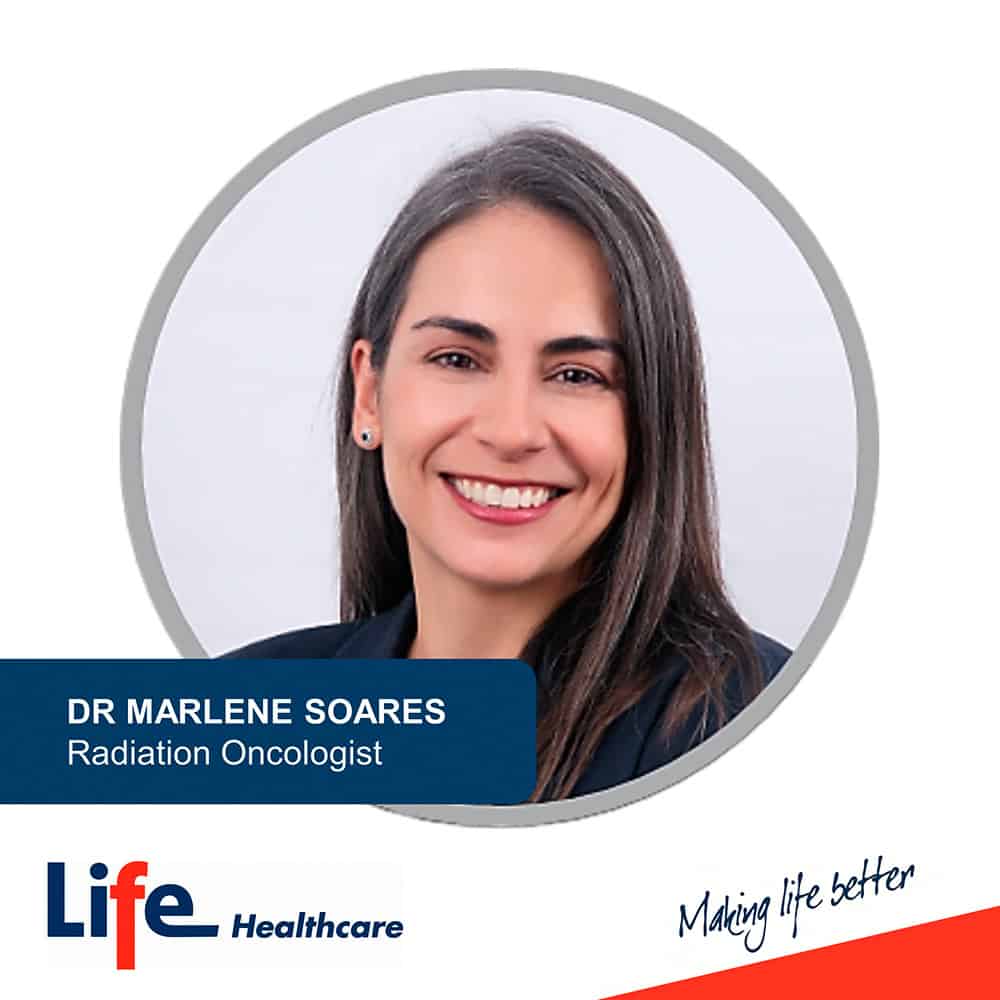
“The goal of radiation therapy is to deliver a high dose to the tumour while minimising damage to healthy tissue,” says Dr Marlene Soares, radiation oncologist at Life Groenkloof Hospital.
Radiation therapy is painless and does not cause any sensation during delivery. Each session lasts only 15 to 20 minutes, making it a quick and efficient treatment. Some patients may experience side effects from radiation therapy, and this is something that can be well managed through education from your oncologist.
Types of radiation therapy
Depending on the location, size, and type of cancer, different radiation therapy techniques may be used:
- External beam radiation therapy (EBRT): The most common form, using a machine to direct radiation precisely at the tumour.
- Brachytherapy: Small radioactive implants placed directly in or near the tumour, often used for cervical, prostate, and eye cancers.
- Stereotactic radiosurgery (SRS): High-dose, targeted radiation, mainly used for brain tumours.
When is radiation therapy used?
Radiation therapy can be used as:
- Primary treatment: The main treatment for certain cancers.
- Combination therapy: Used alongside surgery or chemotherapy.
- Palliative care: To relieve pain and symptoms in advanced cancer cases.
“Radiotherapy is an effective treatment option for improving quality of life in advanced cancer cases,” explains Dr Soares.
What to expect during treatment
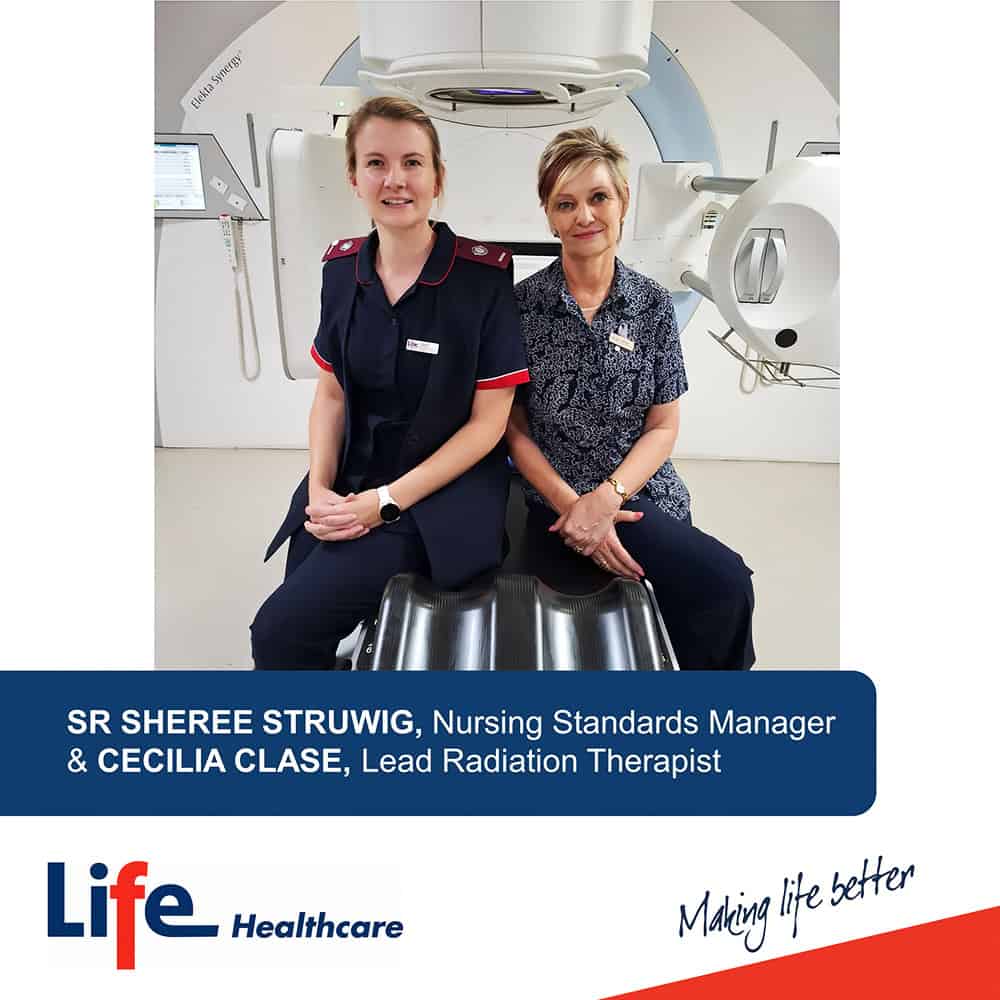
Before starting treatment, patients undergo a detailed planning process using imaging scans (CT or MRI) to map the tumour. Once treatment begins, patients attend daily radiation therapy treatment sessions over several weeks, depending on the individual plan for each patient.
South African oncology centres offer world-class cancer care, often reducing waiting times for diagnosis and treatment. “In private oncology practices, you can get scans and tests done very quickly, ensuring fast access to treatment,” Dr Soares explains.
How to improve treatment outcomes
To support your treatment:
- Eat a balanced diet to help your body heal.
- Stay active – light exercise can help reduce fatigue.
- Follow your treatment schedule – missing sessions can impact effectiveness.
- Maintain a positive mindset – a strong support system makes a difference.
“Oncology is becoming more and more personalised,” says Dr Soares. “We now analyse the biology of each tumour and treat it accordingly, ensuring the best possible outcomes.”
For Dr Soares, oncology is not just a career – it’s a passion. “I was drawn to radiation oncology because of the amazing technology and medical innovation,” she shares. “And I stay inspired because of my patients. Cancer gives you perspective – it teaches you not to sweat the small stuff.”
If you or a loved one has been diagnosed with cancer, speak to your oncologist to determine whether radiation therapy is the right option for you.
For more information on our doctors, facilities and services, please contact Life Groenkloof Hospital on 012 424 3600, email karen.landsberg@lifehealthcare.co.za or visit https://bit.ly/3PKFbcw.
Contact Groenkloof Hospital
- https://www.lifehealthcare.co.za/hospitals/gauteng/pretoria/life-groenkloof-hospital/
- https://www.facebook.com/lifehealthcare/
- https://x.com/LifeHealthcare_
- https://www.linkedin.com/company/life-healthcare/?originalSubdomain=za