Kaalspruit River rehabilitation key to saving Hennops River, says Tshwane
The Tshwane metro has confirmed that the the health of the Hennops River is intrinsically linked to the condition of the Kaalspruit River.
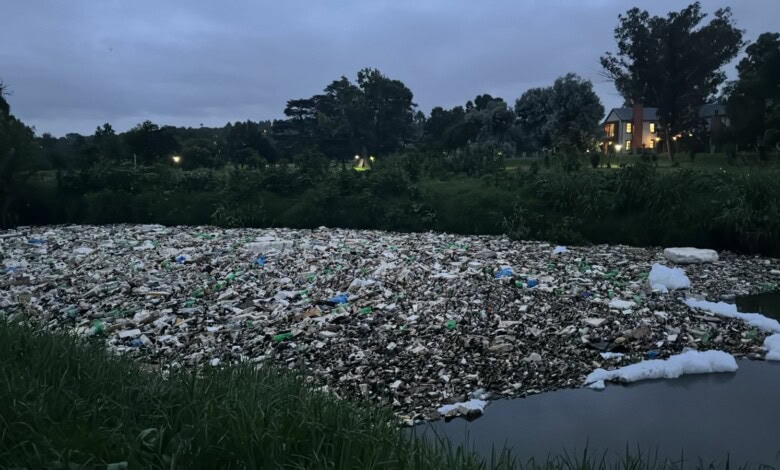
As the Hennops River continues to suffer severe pollution, the Tshwane metro has recognised the urgent need for a holistic approach to restoring it to health, which starts with the rehabilitation of the Kaalspruit River.
This vital waterway originates from Ekurhuleni and flows through the Johannesburg metro before joining the Hennops River has become a significant contributor to the pollution crisis affecting the larger river system.
Tshwane metro spokesperson Lindela Mashigo explained that the health of the Hennops River is intrinsically linked to the condition of the Kaalspruit River.
“The state of the Hennops River is a direct reflection of the myriad actions that undermine the integrity of the Kaalspruit,” he said.
He emphasised that addressing pollution upstream is essential to any meaningful improvement downstream.
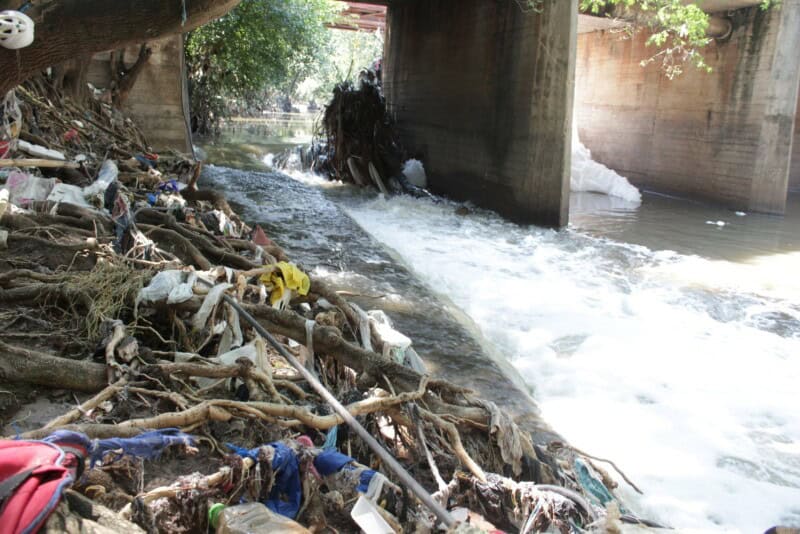
Image: x.com/@tshwaneeff
In pursuit of this goal, the metro formally reached out to the national Department of Water and Sanitation (DWS) seeking intervention.
Mashigo confirmed that a formal letter was written to the department in 2018, while another was sent to the former Minister of Water and Sanitation, Lindiwe Sisulu, on January 17 2020. In the letter, the metro appealed for co-ordinated action to address the degradation of the Kaalspruit Catchment, which is a major cause of the pollution affecting the Hennops River.
“The issues outlined in these letters included water pollution from industrial and sewerage effluent, lack of waste disposal in densely populated areas like Tembisa and Ivory Park, and illegal sand mining activities occurring in Tembisa.”
He mentioned that the DWS convenes the Hennops Catchment Forum every second month, where all challenges and water quality results are presented.
“On October 14 2023, the DWS convened a stakeholder meeting to discuss the state of the Hennops River and required interventions.
“Another stakeholder forum led by the Deputy Minister of Water and Sanitation, Sello Seitlholo, was held on November 11 2024, which in part explored the causes of pollution,” said Mashigo.
He added that the deputy minister spent two days in the first week of March this year visiting some of the rivers in Gauteng to further understand the challenges.
Mashigo also noted that the metro participates in an inter-governmental initiative with the Johannesburg and Ekurhuleni metros, driven by the National Treasury and the World Bank, to address the rehabilitation of the Kaalspruit River.
“This collaborative process has involved all relevant national departments, including the DWS, human settlements, forestry, fisheries, and environment, and of mineral resources and energy.”
He added that the Gauteng Department of Environment has developed a climate-resilient catchment plan, which was completed in March 2023, in line with the Gauteng City Region Climate Change Response Strategy.
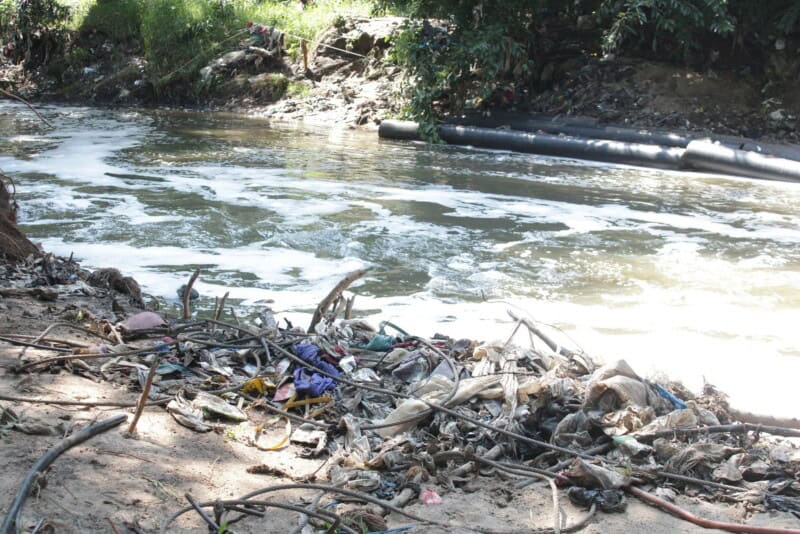
Image: x.com/@tshwaneeff
Mashigo explained that while DWS has focused on issuing pre-directives and directives in cases of non-compliance with water use licences, these interventions primarily address point-source pollution.
“The bulk of the pollution arises from non-point sources, especially in areas like Tembisa and Ivory Park, which remain largely unaddressed.”
He said that facilities like the Olifantsfontein Wastewater Treatment Works, which pollutes the Olifantspruit that feeds into the Hennops River, have received directives, but the broader pollution issues persist.
During a clean-up initiative at the Hennops River on February 9, MMC for Environment and Agriculture Obakeng Ramabodu emphasised the need for funding and resources from the national government to effectively tackle the pollution crisis.
However, Mashigo said that the focus should be on the rehabilitation of the Kaalspruit catchment because the state of the Hennops River is a direct reflection of the myriad of actions that undermine the integrity of the Kaalspruit River.
“Investing millions into downstream interventions may yield limited results when upstream sources of pollution remain unaddressed.”
He highlighted that the Centurion Lake Rehabilitation Task Team has an annual budget of R7-million, which has been instrumental in desilting efforts.
“Since 2021, the team has excavated 300 000m³ of silt and sand to reduce flooding risks and has developed tree and litter traps to minimise waste entering the Hennops River and causing severe blockages at low-lying bridges in Centurion.”
Water tests are conducted bi-monthly showing persistently high levels of contamination from neighbouring municipalities.
While the ongoing monitoring of pollution levels in the Hennops River reflects a troubling reality, the metro remains hopeful that support from the National Treasury and World Bank will enhance their efforts.
“Their support is crucial, and they have shown a recognition of the complexity and multidimensional nature of the Kaalspruit Catchment rehabilitation plan.
“This solution depends entirely on different role players playing their part in a co-ordinated manner,” added Mashigo.
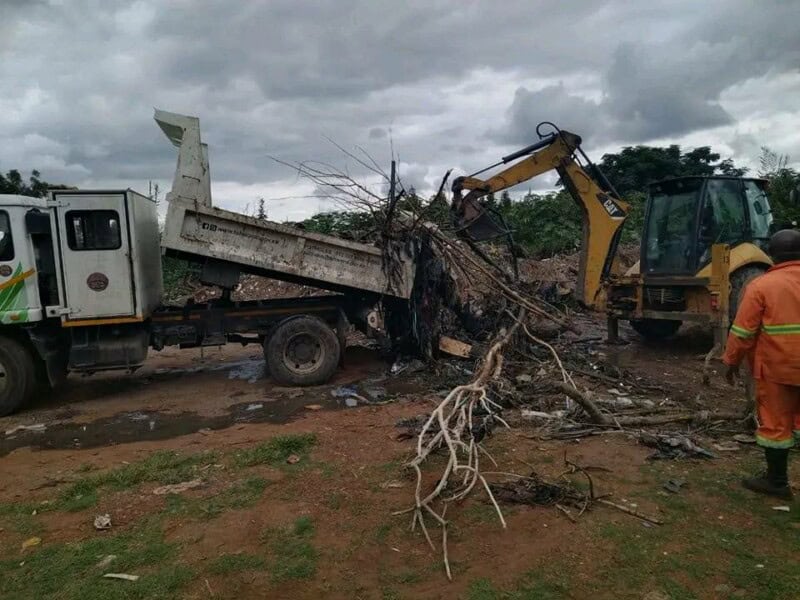
Image: Supplied
Residents near the Hennops River have expressed deep concern over the worsening state of the waterway.
Riana Coetzee, a long-time resident in the area, said that despite the many clean-up initiatives organised by various groups, the river seems to be getting worse.
“We’ve seen more waste and pollution accumulating over the past few months, which is affecting the quality of life in our community.”
She said that businesses, which rely on the beauty of the river to attract customers, have also seen a drop in customers and are suffering.
“It’s disheartening to see something so beautiful turned into a dumping ground,” said Coetzee.
Another resident, Hendrik van Wyk stated that he couldn’t believe how much the river had deteriorated over the years.
“The smell is really unbearable, and it’s so disheartening to see the amount of litter and pollution there is in the river.
“The river is not just a water source; it’s part of our community and our identity,” said Van Wyk.
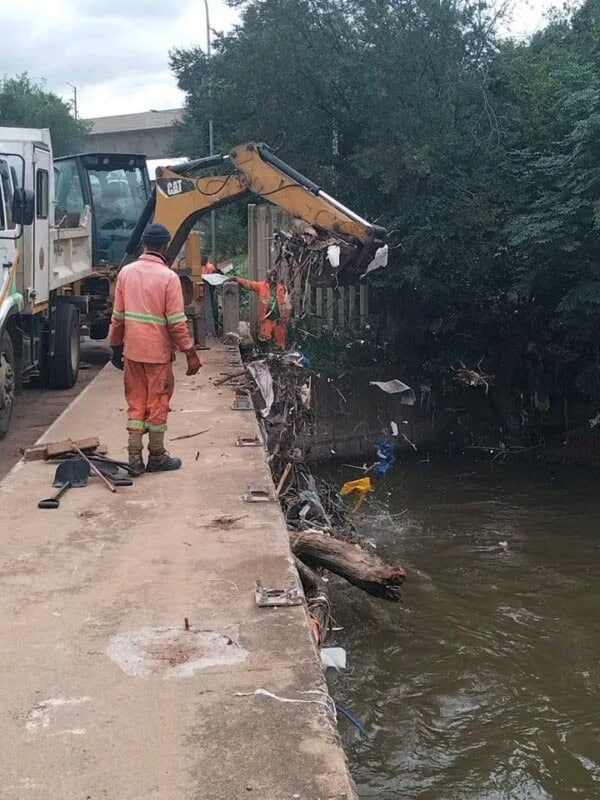
Image: Supplied
He emphasised that as the condition of the river continues to decline, it will impact the health and livelihoods of many people in the community.
“I also worry about the impact on businesses that depend on the river for tourism and recreation.”
Rekord reached out to the Department of Water and Sanitation, and the department is yet to provide feedback regarding this matter.
Do you have more information about the story?
Please send us an email to bennittb@rekord.co.za or phone us on 083 625 4114.
For free breaking and community news, visit Rekord’s websites: Rekord East
For more news and interesting articles, like Rekord on Facebook, follow us on Twitter or Instagram or TikTok.