One resident's clean-up effort inspires call for community action
The transformation of an overgrown traffic island in Lyttelton is highlighting how small individual efforts can make a meaningful difference in the wider community.
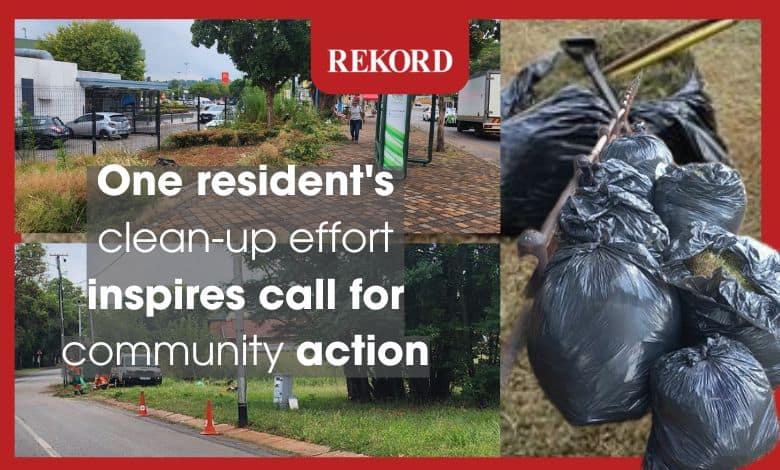
A simple clean-up effort by a Lyttelton resident has inspired renewed calls for residents to become more involved in improving their surroundings.
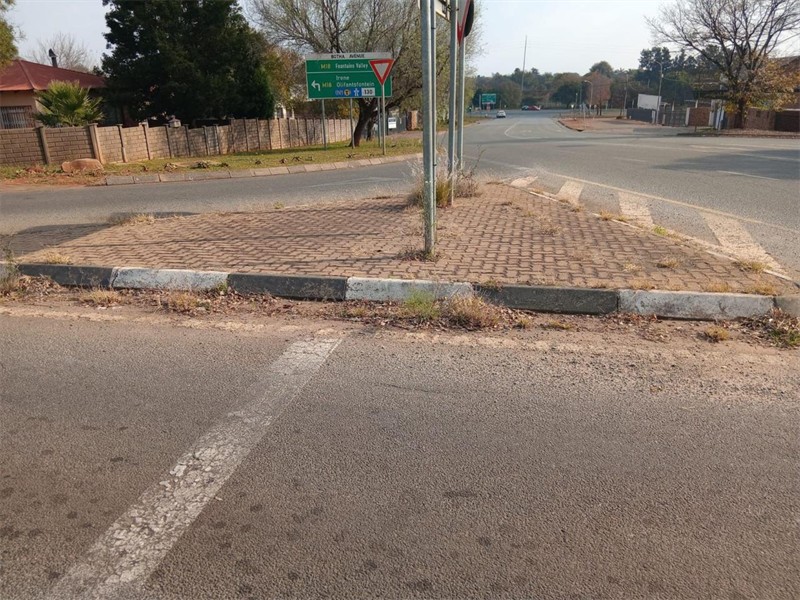
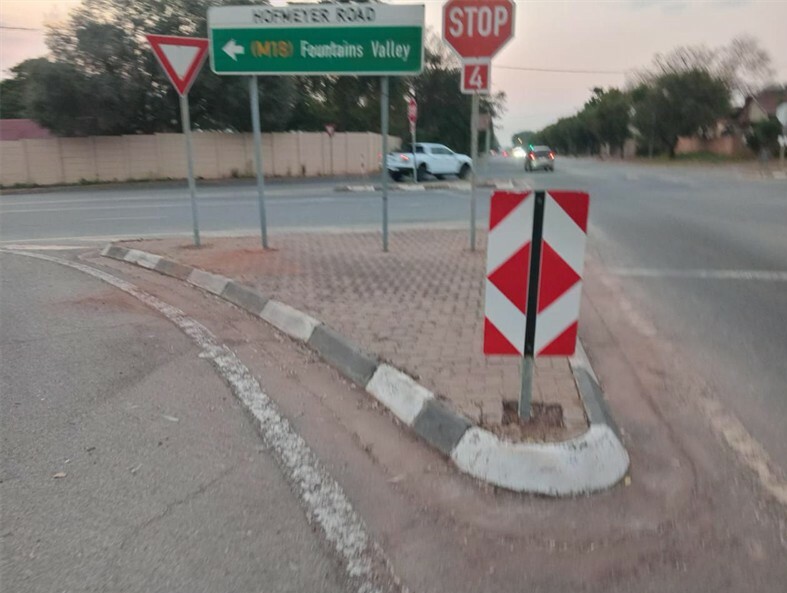
Resident Andries Morajane, who is in his 50s, recently cleaned the traffic island at the corner of Kruger Avenue and Hofmeyer Road during the weekend of May 30.
The site had been noticeably overgrown, with weeds and grass pushing through the gaps in the brick pavers, especially along the edges. It required urgent weeding, sweeping, and general maintenance to tidy it up.
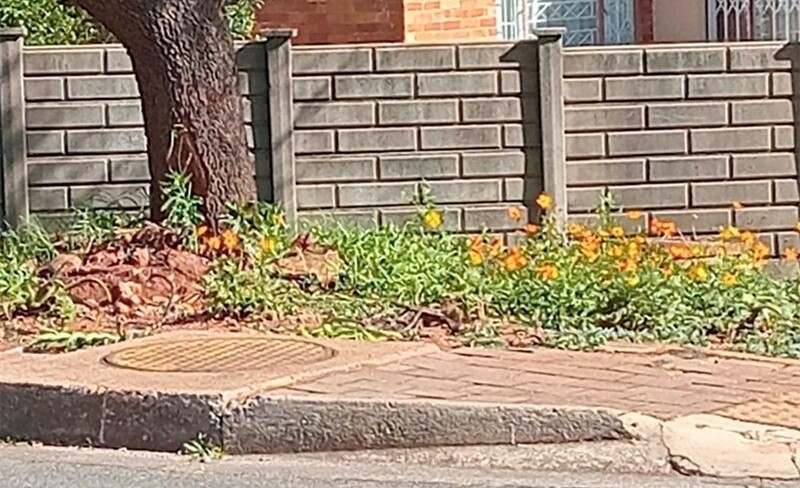
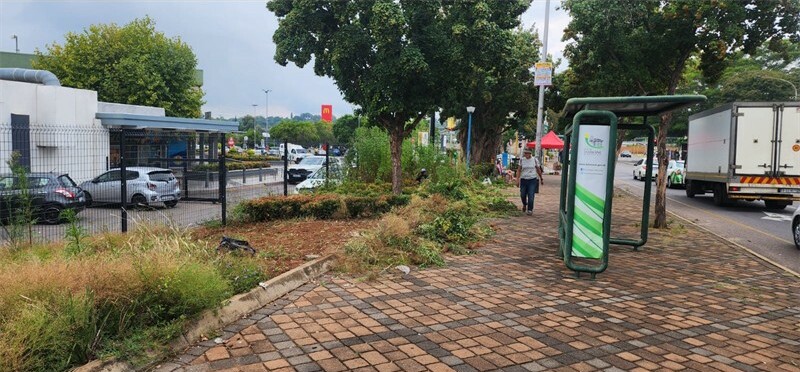
A few weeks earlier, Morajane had also planted greenery along nearby sidewalks. His efforts have drawn attention to how small acts of community service can contribute to creating a cleaner and more welcoming neighbourhood.
Morajane explained that he regularly cleans wherever he can in the area, because he wants to keep it neat and demonstrate that some residents genuinely care about their community.
“I want people to see that there are residents who care about where they live. I don’t want the area to look neglected. We have beautiful spaces in our community, and we need to look after them,” he said.
His actions have also prompted community volunteer and Make Pretoria Great NPO spokesperson Anel du Preez to renew her call for greater community involvement across Lyttelton.
Du Preez encouraged residents not to underestimate the impact of small, consistent actions throughout the suburb.
She believes that if every resident contributes, even in a small way, the collective impact could transform Lyttelton.
Her appeal builds on an earlier initiative where residents were encouraged to dedicate just one hour to improving a small area in their immediate surroundings. Now, Du Preez hopes this message will spread across the entire suburb, inspiring more residents to take ownership of the spaces around them.
According to Du Preez, the idea stems from the frustration and exhaustion felt by a small group of volunteers who have spent years responding to maintenance issues, clean-up requests, and other community needs.
“The problem is that the needs are endless, while the number of volunteers is limited. There came a point where many of us felt overwhelmed and burnt out,” she said.
She explained that breaking down large problems into smaller, manageable tasks makes community involvement more achievable.
“People often feel powerless when they look at big problems. They think, ‘What difference can I make?’ But when you break the challenge into small, manageable actions, people start to realise that they can contribute.”
Du Preez emphasised that creating change in the community doesn’t require everyone to join committees or formal organisations. Instead, it takes ordinary people deciding to take responsibility for the small spaces around them.
“Positive action is contagious. Visible improvements often encourage further participation from others. When residents become active participants in their communities, they begin to see the area differently. They stop asking, ‘Why is nobody fixing this?’ and start asking, ‘What can I do to help?’,” said Du Preez.
She added that residents do not need special skills or a lot of free time to make a difference. Actions such as removing weeds from pavements, picking up litter, clearing neglected verges, helping neighbours, supporting community projects, or volunteering at local schools can all contribute to a better environment.
Businesses can also play a role by maintaining the areas directly outside their premises, including pavements and nearby traffic islands.
While acknowledging that municipalities have important responsibilities, Du Preez emphasised that thriving communities are built when residents work alongside local authorities rather than waiting for the government to solve every problem.
“The question should never be whether the government must do its job. The question should be whether we are willing to do ours?”
She believes the long-term benefits of greater community participation include cleaner streets, safer neighbourhoods, stronger relationships among residents, and a more attractive environment for everyone.
“The greatest benefit would be that responsibility becomes shared. At the moment, too much depends on too few people, and that is not sustainable.”
Du Preez’s message to residents is to choose one small action that can help the community and do it consistently.
“You do not need to change the whole community. You only need to take responsibility for the small part that is within your reach. Communities are not transformed by a few extraordinary people. They are transformed when ordinary people make the decision to care, to participate, and to act,” she added.
Do you have more information about the story?
Please send us an email to bennittb@rekord.co.za or phone us on 083 625 4114.
For free breaking and community news, visit Rekord’s websites: Rekord East
For more news and interesting articles, like Rekord on Facebook, follow us on Twitter or Instagram or TikTok or WhatsApp Channel