Tshwane rips off illegal connections after recent electrocutions in Marikana
The operation was part of Tshwane’s oversight visit, which focuses on the removal of life-threatening illegal electricity connections in Marikana.
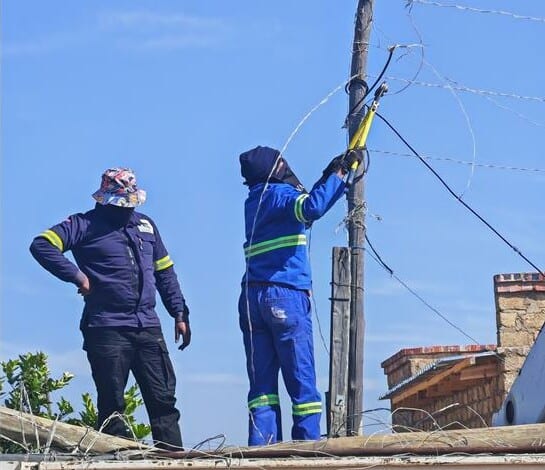
In a decisive move to protect residents from life-threatening danger, the Tshwane metro disconnected illegal electricity connections in Marikana informal settlement, Soshanguve.
The operation, which was a collaborative effort led by the Chairperson of Section 79 Utility Services, Flora Monama, took place on May 14.
It involved several departments, including the Energy and Electricity Department, the Tshwane Metro Police Department (TMPD), and the SAPS.
Monama emphasised that the operation was prompted by several alleged cases of electrocution from these illegal electricity connections in the area.
Today, we were in Marikana Ward 13 in Tshwane to remove illegal connections. These connections are dangerous to the community, especially children, as there have been allegations of unreported electrocution cases. We will recommend that the municipality formalize the area and… pic.twitter.com/IofwrY3puG
— Flora Monama (@Flora_Monama01) May 14, 2025
“While we recognise the need for electricity in Marikana, we cannot compromise safety. Illegal connections pose significant risks to residents and undermine our ability to provide essential services,” she said.
She said that service delivery is a priority for Tshwane.
“Therefore, it is crucial for the residents to abide by the by-laws and follow the right processes to ensure that services are delivered to their communities.”
Monama said Tshwane loses revenue due to residents who use electricity unlawfully, due to illegal electrical connections.
She said that to enable the city to provide optimal services, it needs to generate an income from these services, and in turn, residents have to comply with the law.
“The City of Tshwane urges residents to follow proper procedures for accessing electricity, ensuring both safety and compliance with municipal by-laws. By doing so, we can provide optimal services and maintain revenue for the benefit of our communities,” Monama explained.
She said the disconnection operation was their commitment to safety and responsible service delivery.
“We appeal to residents to avoid dangerous illegal connections and work with us to create a safer environment,” Monama said.
According to the metro, there are about 187 informal settlements across Tshwane that are currently relying on illegal electricity connections.
Spokesperson Lindela Mashigo highlighted some of the biggest challenges the city faces due to these illegal connections.
“Some of the biggest challenges include vandalism of electricity infrastructure, overload to the electricity network, revenue loss and negative impact on legal consumers,” he said.
Mashigo said to prevent the reinstallation of illegal connections, the city plans to engage with residents through imbizos, by-law enforcement operations, educational campaigns through community radio stations, newspapers and social media platforms.
He said Tshwane will consider formalisation of the informal settlements as a short-term solution to provide safe electricity access while formal processes are being pursued.
Do you have more information about the story?
Please send us an email to bennittb@rekord.co.za or phone us on 083 625 4114.
For free breaking and community news, visit Rekord’s websites: Rekord East
For more news and interesting articles, like Rekord on Facebook, follow us on Twitter or Instagram or TikTok.