Wonderboom airport positioned as SA’s future cargo powerhouse
Wonderboom Airport, long seen as a sleeping giant, is now being positioned as a critical driver in the metro’s growth trajectory.
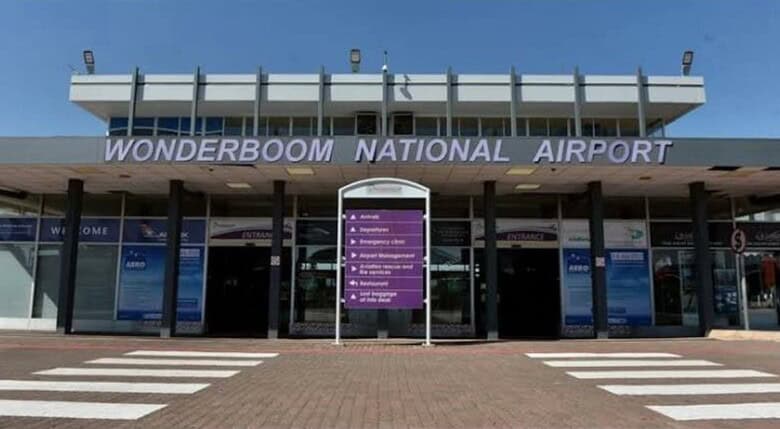
The Wonderboom National Airport in the north of Pretoria is set to emerge as a major player in South Africa’s cargo transport sector.
This comes after the Tshwane MMC for Finance Eugene Modise outlined plans to position the underutilised facility as a central hub for domestic freight.
Modise confirmed that the airport holds a distinct advantage over regional counterparts, especially in handling high-value commodities such as platinum and manganese.
These minerals are typically transported by road from areas such as Rustenburg and Limpopo, regions that generate volumes of export cargo.
He said the metro had set aside funds aimed at revitalising some of the city’s state-owned assets, which also include the Bon Accord quarry and market.
“The airport, in terms of the assessment made, is ideal for cargo.
“If you look at the Polokwane airport, it doesn’t have the capacity and the connectivity of this airport. So all the merchandise that should be going to and from Rustenburg, like platinum, leaving the country, and manganese from Limpopo, this will be their ideal place,” said Modise.
This renewed focus on cargo transformation is part of the metro’s long-term vision to revitalise Wonderboom’s economic viability.
Modise said the municipality was not prepared to cut all ties with it as it could still be a key revenue generator for the capital city.
Wonderboom Airport, long seen as a sleeping giant, is now being positioned as a critical driver in the metro’s growth trajectory.
Modise said the move could also alleviate pressure on OR Tambo International Airport, which handles the bulk of South Africa’s air freight but is increasingly congested.
The strategy outlines its potential to support both cargo and passenger operations, acts as a logistics hub, and enhances the metro’s connectivity with regional and international markets.
With Tshwane situated along the northern economic sector and within Gauteng, the province responsible for over 34% of South Africa’s Gross Domestic Product, the airport offers a link to trade, tourism, and transportation networks.
The metro believes that investing in Wonderboom will open doors for partnerships in aviation training, aerospace maintenance, and logistics operations.
“Wonderboom Airport is more than a runway. It’s a runway to opportunity, one that can uplift entire communities if leveraged correctly.”
According to metro spokesperson Lindela Mashigo, five of the 18 strategic interventions outlined in the airport turnaround plan had been completed by October 2022.
These include crucial milestones, such as reclaiming the airport’s Category 5 licence, which was downgraded to Category 2 in 2019, and seeing a 64% growth in generated revenue between the 2020/21 financial year and the current fiscal period.
Mashigo said this growth marks an improvement, particularly when viewed against the airport’s performance in recent years.
The net loss margins, once standing at -230 % in 2020/21, have now improved to -69 %, indicating a positive trajectory for the financial year.
Mashigo said one of the most pressing issues is the financial crisis within the metro itself, which limits the availability of resources needed to further progress.
It is envisioned that Wonderboom Airport’s future is centred on three strategic pillars: arrest, stabilise, and grow.
The growth pillar focuses on finalising the airport’s master plan, development plan, and precinct pillar, all of which will guide its long-term growth and establish its role within the local and national air travel network.
Mashigo said these plans are expected to be concluded by December.
“The airport’s development will comply with international aviation standards set by the International Civil Aviation Organisation, ensuring that environmental sustainability is a priority.
“While the operational aspects of the strategy are set to be completed by the 2025/26 financial year, the full realisation of the airport’s potential will be a long-term commitment.”
The master plan, once finalised, will guide the airport’s future development, dictating how it can expand, attract new airlines, and become a critical player in the regional and national air travel network.
Do you have more information about the story?
Please send us an email to bennittb@rekord.co.za or phone us on 083 625 4114.
For free breaking and community news, visit Rekord’s websites: Rekord East
For more news and interesting articles, like Rekord on Facebook, follow us on Twitter or Instagram or TikTok.