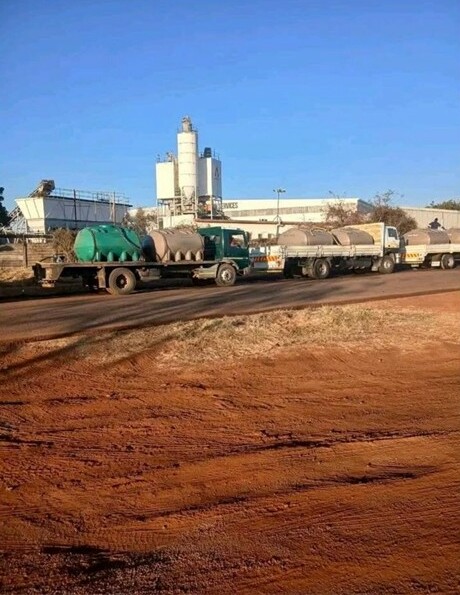
Silence on water tankers amid maintenance irks north residents
Frustrated Tshwane residents say they’re left high and dry as water outages drag on with little communication from ward councillors. They demand answers and urgent relief.
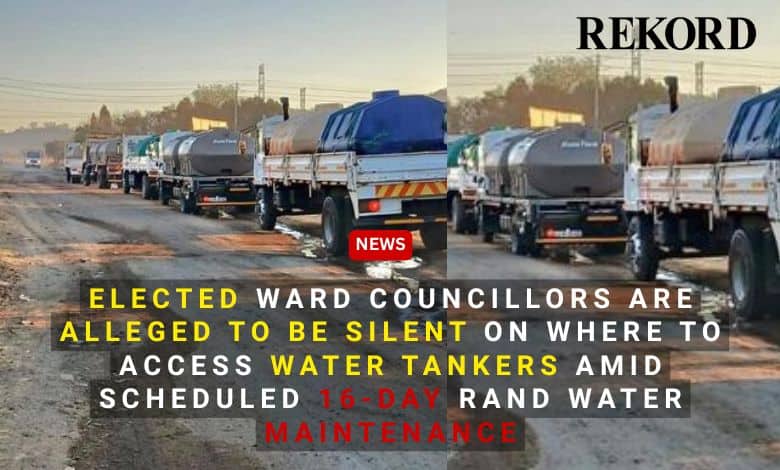
Residents across various wards in the north of the Tshwane metro have voiced their frustration over a water outage that has left many without access to water.
They say their elected ward councillors are silent on where to access water tankers amid a scheduled 16-day Rand Water maintenance halting the supply of water to many homes.
What began as scheduled maintenance has escalated into a communication blackout, which has left residents feeling ignored.
This comes after residents have braced for a major water shutdown as Rand Water began 16 days of maintenance on the Hartebeeshoek Reservoir.
The essential maintenance work, which affects the metro’s reservoirs and those meters supplied from the Hartebeeshoek Reservoir, started on July 3 and is expected to be finished by July 18.
However, Rand Water’s maintenance work on the Hartebeeshoek Reservoir hit a snag during the initial stages.
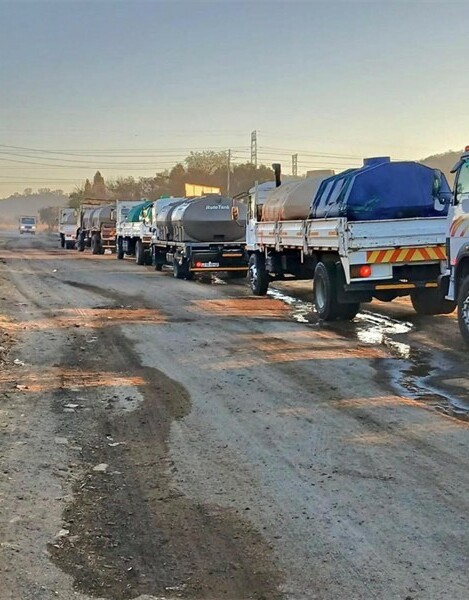
Caption: Waters tankers lining up in Soshanguve. Photo supplied.
Description: Various water tankers line up on a gravel road, with some spilling water.
Tshwane metro explained that this meant the complete shutdown of the water supply via the bypass, which inevitably led to the depletion of the Mabopane, Soshanguve, Ga-Rankuwa, and Winterveldt reservoirs.
Lwazi Nxumalo of Soshanguve Ext 10 said they feel like they are not being taken seriously.
“When we ask councillors about where the water tankers will be, or what the plan is, they just blue tick our messages. There’s no response, no update. It’s as if they have vanished.”
For residents who rely on water tankers to survive the daily routine of cooking, bathing, and cleaning, not knowing when or where a tanker will appear only adds to the distress they feel.
“We spend the entire day waiting for water that never arrives. This is unacceptable, especially considering that water is a basic human right.
“With the leadership we have here in Tshwane, there should be a sense of urgency, not silence,” said Nxumalo.
The frustration has intensified in areas where water infrastructure is already fragile and the need for tankers is critical.
Elderly residents, households with young children, and informal settlements have been disproportionately affected by the empty pipes.
Masesi Rakau of Ward 12 said they have been forced to buy water from private vendors at unaffordable prices, because they had not been given a schedule for the public tankers.
“We are not just asking for water, but asking to be heard. It’s like we are running a scavenger hunt.
“One person sees a tanker on this street and quickly tells the rest of us. This shouldn’t be the way it works,” she said.
Residents want ward councillors to engage with their communities, publish daily water tanker schedules, and provide honest updates on the restoration timeline.
Metro spokesperson Lindela Mashigo said there are no static collection points for water tankers, as all of them are roaming.
“Councillors are working with the officials to direct water tankers to specific areas within their wards,” said Mashigo.