Workshop educates youth on digital safety
A digital safety workshop was held to educate learners about online grooming and exploitation. Stakeholders stressed that predators often use fake profiles, and encouraged communities to support awareness initiatives and protect children online.
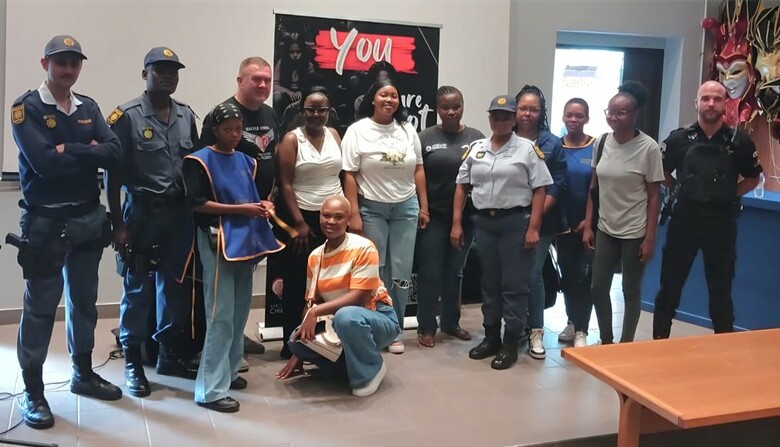
An online safety awareness workshop at St Mary’s Diocesan School for Girls in Hillcrest highlighted rising online risks and exploitation concerns on March 24.
The workshop was held by Unchain Our Children (UOC), in partnership with Brooklyn SAPS, the Moses Madiba Foundation and ProShield.
The aim was to address risks, such as sexual grooming, exploitation, sexting, and the sharing of illicit images, while equipping learners with knowledge, prevention strategies and reporting channels. The initiative seeks to combat the growing issue of online sexual exploitation and abuse, raise awareness, and educate young people on digital safety.
“We see many cases of online abuse, especially where children or students are being victimised. This can happen through the publication of their pictures on media platforms such as school WhatsApp groups, after sharing personal information or engaging with strangers online,” said Brooklyn police station Sergeant Motshabi Francinah Mofokeng.
UOC continues to address these risks through interactive, age-appropriate workshops presented by multiple stakeholders. These sessions combine law enforcement insight, community support and real-life case experience.
Founder of UOC, Wayne van Onselen, warned that online threats affect people of all ages.
“Sexual grooming and exploitation of people is a major concern. Online sexual predators target anyone, no matter your age,” said Van Onselen.
SAPS highlighted that many perpetrators create fake profiles to target victims online.
“Perpetrators are often people creating fake profiles to target victims. We work with social media platforms and use forensic techniques to track them down,” said Mofokeng.
Parents and guardians are encouraged to take an active role in protecting children online.
“Parents should talk to their children about online risks, monitor their activities and teach them not to share personal information. They should also encourage their children to speak up if they feel uncomfortable,” she said.
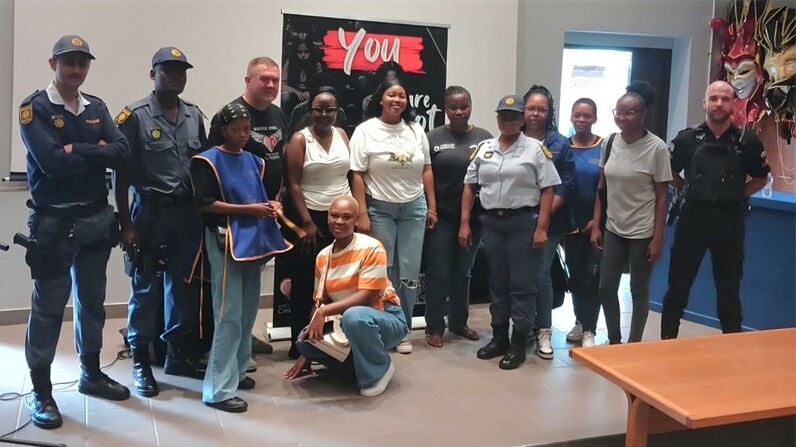
Both UOC and SAPS emphasised the importance of collaboration in addressing online safety.
“We work together to raise awareness and go to schools to educate children and students about online safety,” said Mofokeng.
“Networking is essential in this field. The youth need to know where their safe places are,” added Van Onselen.
These efforts are already making an impact, with learners becoming more aware and confident.
“We see children being more open to asking for help and protecting themselves online after these sessions,” said Mofokeng.
Van Onselen added that engagement during sessions shows the value of the initiative.
“The impact can be measured in the interaction of the Q&A after the sessions. To raise awareness is one way to combat the fast-growing crime of sexual exploitation and [child sexual abuse material],” he said.
Onselen shared that the organisation welcomes collaboration from communities to help tackle online risks.
“We have an open-door policy. We work with pre-schools, primary schools and secondary school learners, as well as parents,” he concluded.
Do you have more information about the story?
Please send us an email to bennittb@rekord.co.za or phone us on 083 625 4114.
For free breaking and community news, visit Rekord’s websites: Rekord East
For more news and interesting articles, like Rekord on Facebook, follow us on Twitter or Instagram or TikTok or WhatsApp Channel