Beware of fake traffic fines scam ahead of Easter
These scams can be identified through threats, poor grammar and a link for immediate payment.
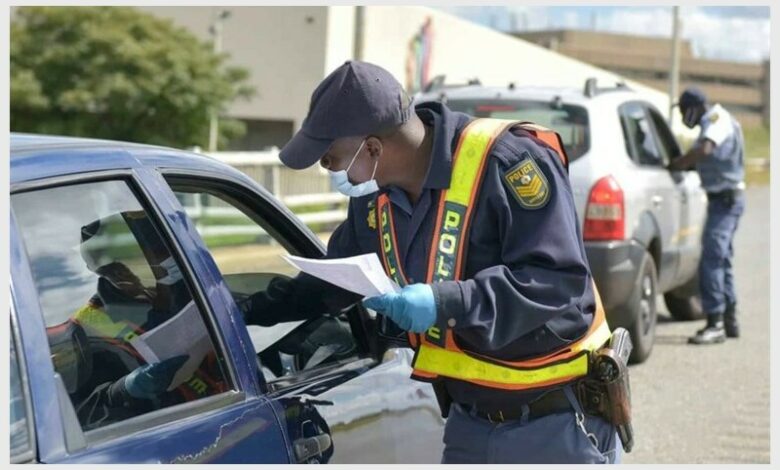
Motorists are urged to remain vigilant as the Easter long weekend approaches, with the Road Traffic Infringement Agency (RTIA) confirming a spike in traffic fine-related scams targeting road users.
RTIA spokesperson Monde Mkalipi said the agency has noted an increase in fraudulent online demands prompting motorists to pay AARTO fines through links sent via SMS, WhatsApp and email.
“Road users should not interact with these reminders or click on any links, particularly those prompting immediate payment,” he stated.
Mkalipi emphasised that the electronic service of AARTO documents has not yet been implemented and will only come into effect once the AARTO Amendment Act is proclaimed.
“At the moment, that has not yet happened. Any electronic demand for online payment of an AARTO fine is a scam, as such has not been authorised by the RTIA,” he said.
He added that motorists should ignore threats often contained in these messages, even if they are received after working hours, on weekends or public holidays. They must instead verify any communication directly with the RTIA by calling 086 122 7861 or visiting the official AARTO website.
According to Mkalipi, scammers are using increasingly sophisticated tactics to target unsuspecting road users.
These include creating fraudulent websites that mimic the official AARTO platform, sending SMS and WhatsApp messages with fake payment links, and directing users to cloned payment portals that appear legitimate.
He noted that scammers often lure victims with promises such as a 50% discount or create urgency by sending messages outside of normal working hours when motorists are unable to verify the information.
The agency’s call centre operates on weekdays between 08:00 and 16:00.
“The RTIA has only an SMS service that reminds road users to go collect their AARTO infringement notices at the nearest post office. No electronic communication is sent to road users to ask them to pay online on such a link,” he said.
He explained that AARTO infringement notices are only served through registered mail or by personal service on the roadside by a traffic officer and must be collected at the post office.
To verify whether a traffic fine is legitimate, motorists are advised to use official RTIA channels.
These include contacting the AARTO call centre, visiting the AARTO head office in Midrand or accessing the official online portal at online.aarto.gov.za using the 16-digit infringement notice number.
Mkalipi said motorists can also visit any AARTO service outlet for assistance.
He outlined several official payment options available to motorists. In-person payments can be made at Absa Bank, the Post Office, relevant issuing authorities or at the RTIA head office and AARTO service outlets, where card payments are accepted.
Online payments can be made through recognised platforms including Absa Bank, Standard Bank and FNB, as well as www.paycity.co.za, www.paymyfines.co.za, Whoosh, AddPay and VEVPay.
Mkalipi warned that there are several clear signs that a traffic fine communication may be fraudulent.
These include requests for immediate payment via a link, messages from unknown or unofficial numbers, poor grammar, urgent or threatening language, and websites that closely resemble but are not the official RTIA platform.
Requests for personal or banking information should also raise alarm.
“They come in after normal working hours or on weekends. The law permits the delivery of AARTO documents through personal service or registered mail. Even messages received during business hours should be verified before any action is taken,” he added.
Motorists are urged to use only official channels when checking or paying fines. These include the official AARTO website, verified RTIA social media platforms (@AARTO_SA) on Facebook, X, and Instagram, as well as accredited payment platforms and road safety campaigns.
For those who may have already fallen victim to scams, Mkalipi advised that they should immediately contact the RTIA to authenticate any payments made and avoid further interaction with suspicious messages.
“Road users are also urged not to succumb to any forms of threats of losing their driving licence,” he said.
The RTIA is also currently conducting a social media awareness campaign across its digital platforms to educate the public about AARTO processes and the risks of scams.
The agency continues to provide guidance on legitimate payment platforms through its official website.
As traffic volumes are expected to increase over the Easter period, Mkalipi urged motorists to check their AARTO fine status before travelling and to resolve any outstanding fines through proper legal channels.
He outlined several legislated options available to motorists who have outstanding fines.
These include paying fines within 32 days to receive a 50% discount, submitting a representation to request cancellation of a fine, applying to pay in instalments, nominating the driver responsible for the offence or electing to be tried in court.
“The RTIA urges road users to check their AARTO fines prior to embarking on holiday trips and contact the RTIA to hear more about the AARTO elective options,” said Mkalipi.
“Motorists are encouraged to verify all information before making any payments, avoid clicking on suspicious links, and remain vigilant while travelling.”
The RTIA said it remains committed to ensuring a secure and transparent system for managing traffic infringements, urging motorists to stay alert, informed and cautious.
Do you have more information about the story?
Please send us an email to bennittb@rekord.co.za or phone us on 083 625 4114.
For free breaking and community news, visit Rekord’s websites: Rekord East
For more news and interesting articles, like Rekord on Facebook, follow us on Twitter or Instagram or TikTok or WhatsApp Channel