Pretoria North children's home overwhelmed
A member of the home's staff says they would like to expand but cannot do so due to financial limitations. They are calling on community support to keep the home afloat.
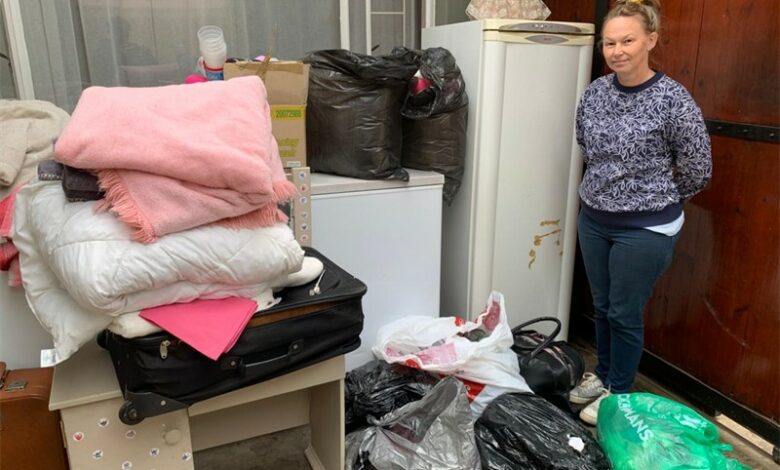
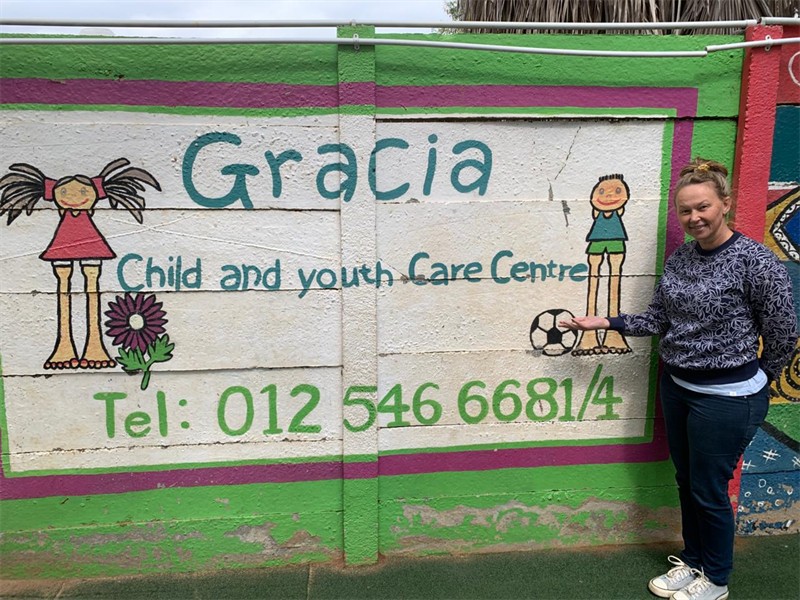
Gracia Children’s Home in Pretoria North continues to stand as a place of safety, structure, and hope for vulnerable children who have been removed from unsafe environments through court orders.
Rooted in a Christian ethos and operating within prescribed child protection norms and standards, the home currently cares for 82 children, and has registered capacity of 84.
According to Annie Laubscher from Gracia’s marketing and fundraising team, the organisation’s core operations remain consistent, but the demand and pressure on resources continue to grow.
“We are always receiving new children. Our doors are open, but we are limited to 84 children. At the moment, we are standing on 82.
“The biggest changes are the ongoing needs. Every time a new child arrives, we must provide clothing, prepare school placement, and support them academically and emotionally,” said Laubscher.
Many of the children entering Gracia have either never attended school or have been out of the education system for extended periods.
This places additional pressure on the home to ensure learners are assessed, placed appropriately, and supported to catch up academically.
Despite the growing challenges, Laubscher said the organisation does not undergo major structural changes but rather focuses on maintaining stability and routine care. Financial strain remains a constant concern.
“The expenses just increase more and more. The needs are always growing,” she said.
Gracia is not currently able to expand its infrastructure or intake capacity due to financial limitations, despite having an interest in accommodating more children.
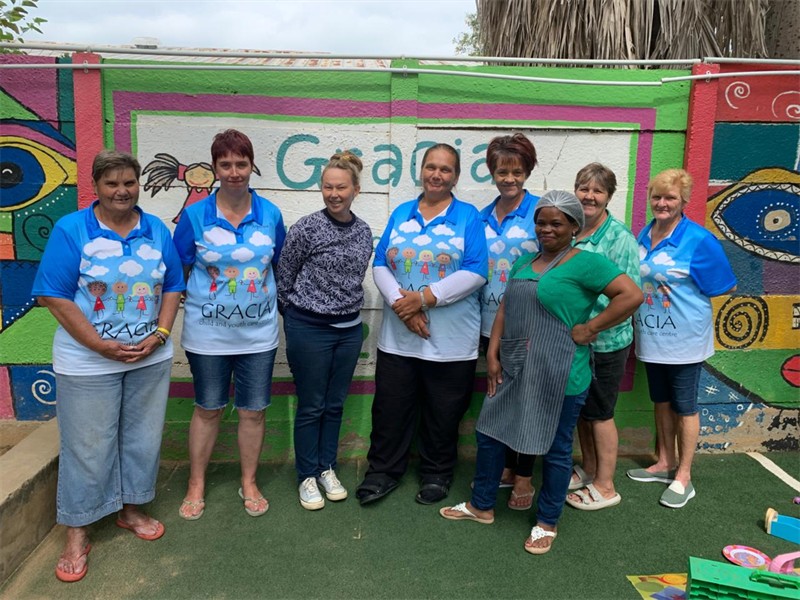
The home also faces additional costs linked to psychological and psychiatric support services for children with traumatic backgrounds.
Among the home’s biggest milestones, Laubscher highlighted both emotional and developmental progress among children who arrive from deeply unstable environments.
“When children come to us, we don’t always know their background. Some need psychiatric support, and that is very difficult because it is not always available for free.
“But the biggest achievement is seeing a change in a child’s life.”
She shared that several children have been successfully reintegrated into their families after years of care, while others have excelled academically and in sports.
Gracia’s children have gone on to achieve top academic results, represent regional rugby and netball teams, and even compete at national sports levels.
“We have children who were once heartbroken when they arrived, but today they are top 10 students, Blue Bulls players, Titans players, and provincial athletes,” she proudly said.
The home measures its impact not only through academic or sporting success, but also through emotional and behavioural transformation.
“We pray every morning for wisdom and patience. Many of these children come from traumatic backgrounds like abuse, neglect, or even street living.
“They didn’t know it was wrong. Our work is to show them the right way forward,” Laubscher said.
A typical day at Gracia is structured and disciplined as children attend school, complete homework, participate in chores, and follow strict routines.
The environment is intentionally controlled, with rules such as no mobile phones and structured separation between boys and girls.
“It is a very disciplined way of living. Some children struggle at first because they are not used to it. But structure is important for their growth.”
Beyond internal challenges, Gracia is also calling for greater community involvement, particularly in education and skills development support.
“We really need help with computer literacy training, reading skills, and basic mathematics. If children cannot read, they cannot learn. And if they don’t understand money, they struggle to survive in the real world.”
The home also works closely with a social worker, therapists, and external partners, such as churches and community organisations.
However, funding remains a critical issue, as Gracia does not rely on consistent government funding and instead depends heavily on donations.
“Water, electricity, food, medication, and transport are our biggest costs. We buy in bulk because we are feeding more than 80 children daily,” she explained.
Gracia plans to launch initiatives such as a Gracia Club Membership programme to encourage monthly donations, as well as seasonal fundraising drives, like its upcoming Christmas in July project.
Ongoing needs include clothing, school supplies, hygiene items, and sports equipment.
“I believe God placed me here because He knew I could handle it. Sometimes I cry on my way home because it feels overwhelming, but then I look at the children and I know why I must continue,” Laubscher said.
She added that community support remains essential to the survival of the home.
“We cannot build a strong house without a strong foundation. Our supporters are that foundation. Even a prayer, a visit, or a small donation makes a difference.”
For Gracia, the ultimate goal is not just to provide shelter, but to prepare children for life beyond its gates.
“When they leave here, the world is waiting for them. We want them to be ready, confident, and aware of their worth,” she said.
ALSO READ: Tuks Rugby celebrates historic sixth Varsity Cup victory
Do you have more information about the story?
Please send us an email to bennittb@rekord.co.za or phone us on 083 625 4114.
For free breaking and community news, visit Rekord’s websites: Rekord East
For more news and interesting articles, like Rekord on Facebook, follow us on Twitter or Instagram or TikTok or WhatsApp Channel