African nations join forces on air quality
More than 40 African countries gathered in Pretoria to strengthen regional partnerships, mobilise efforts to improve air quality, and protect the public across the continent.
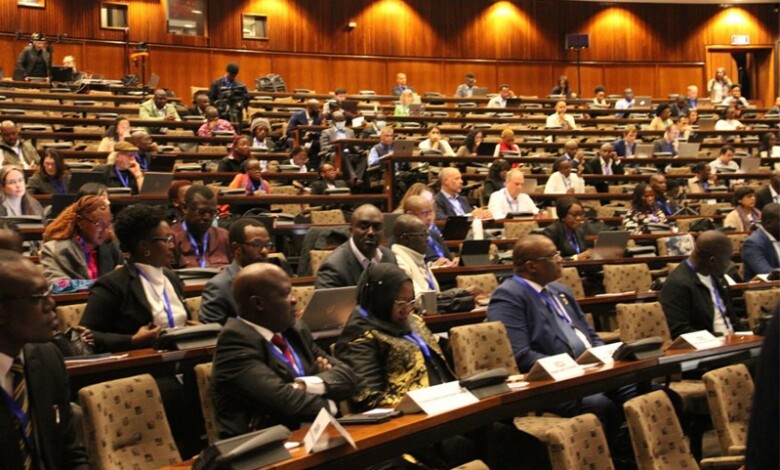
South Africa has reaffirmed the need for stronger regional collaboration and greater investment to combat air pollution.
Delegates from more than 40 African countries gathered in Pretoria for the Africa Clean Air Forum 2026 at the Council for Scientific Industrial Research (CSIR) Convention Centre from July 14 to 16.
Held under the theme of Investment Case for Clean Air and Healthy Cities, the forum brings together ministers, senior government partners, civil society organisations, private sector representatives, and youth leaders to share knowledge and strengthen continental co-operation to improve air quality.
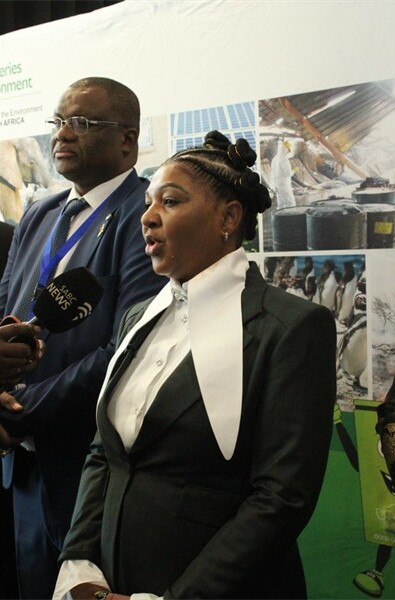
Delivering the keynote address, Deputy Minister of Forestry, Fisheries and the Environment, Bernice Swarts, said air pollution could no longer be viewed solely as an environmental concern.
“Air pollution is no longer simply an environmental issue. It is a public health emergency, development challenge, a climate issue and a matter of environmental justice. Poor air quality threatens investment, tourism, food security and sustainable development for developing economies,” said Swarts.
She said millions of Africans continued to breathe air that fell below internationally recognised health standards, contributing to respiratory illnesses, cardiovascular diseases, increased healthcare costs and reduced productivity, while disproportionately affecting women, children and vulnerable communities.
Swarts highlighted that air pollution crosses borders, making regional co-operation a necessity.
“Africa’s air pollution challenges do not respect national borders. Transboundary pollution, dust transport, wildfires and regional economic activities require co-ordinated continental responses. This is why platforms such as the Africa Clean Air Forum are essential,” she explained.
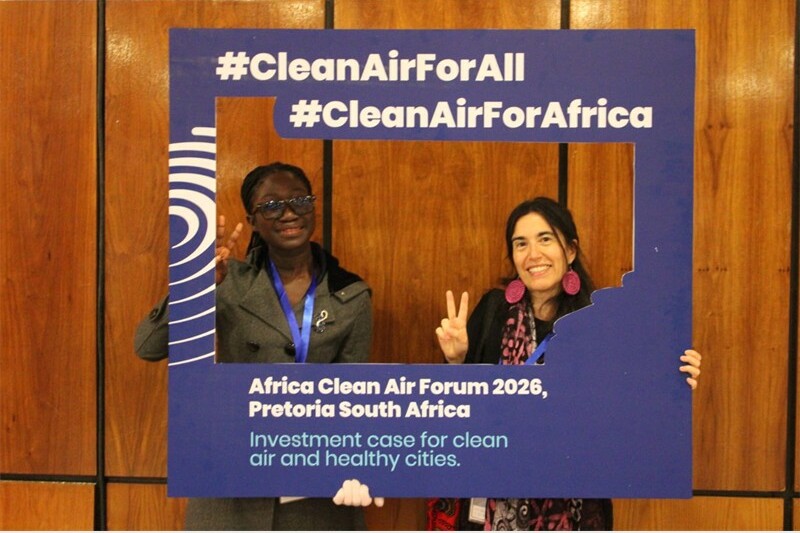
Photo: Rhulani Fundzama
She reiterated the importance of partnerships and multi-sector co-operation for effective air quality solutions.
“Governments cannot succeed without businesses. Scientists cannot succeed without policymakers. Communities cannot succeed without access to information. Development partners cannot achieve impact without local ownership. Our collective strength lies in collaboration,” she said.
Echoing the need for cross-border co-operation, Data Scientist at Airqo in Makerere University, Wabinyai Fidel Raja, said no country could effectively address air pollution in isolation.

Photo: Rhulani Fundzama
“You may find one country does everything correctly, and then the other one doesn’t. So, it will still affect the other. That’s why we need cross-country collaboration to tackle the problem of air quality,” explained Raja.
Looking ahead to the forum’s outcomes, Raja said he hoped participating countries would deepen co-operation by sharing knowledge and practical experience.
“We can share knowledge and experience across borders, so that we can learn from each other and see how best to tackle the problem of air pollution, which is dangerous for our health,” he added.
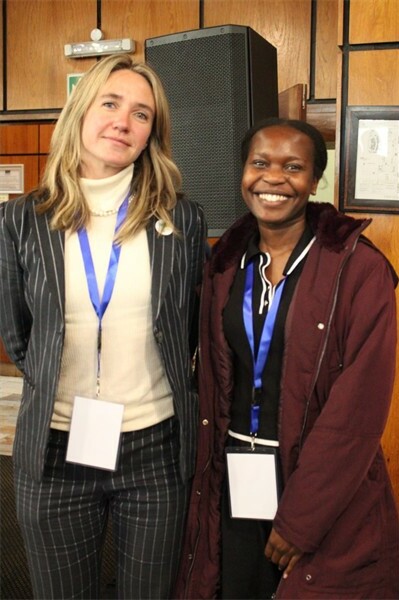
Photo: Rhulani Fundzama
Senior professional officer at International Council for Local Environmental Initiatives (ICLEI) Africa, Kiera Crowe Pettersson, would provide clearer direction for investment that supports clean-air initiatives at the city level.
“Hopefully, the forum will lead to a clearer path related to the topic on investment, a clearer pathway forward for understanding what investment, especially at the city level, looks like for clean air in Africa,” expressed Crowe Pettersson.
Another professional officer at ICLEI Africa, Jokudu Guya, said addressing air pollution required co-ordinated action across different sectors because environmental challenges affected far more than the natural environment.
“Addressing air quality and addressing pollution and challenges such as open waste burning are not one-sector-based. They require interventions across multiple sectors,” explained Guya.
She said she hoped delegates would leave the forum with stronger commitments to tackling persistent air quality challenges.
“I would like to see more commitments towards addressing the challenges in the air quality sector. Specifically for me, I would like to see more commitments around addressing open waste burning more directly,” she added.
Returning to the need for practical action, Swarts urged delegates to move beyond policy discussions and focus on solutions to respond to the realities faced by communities affected by pollution.
Reflecting on industrial pollution and its impact on communities, she cautioned that financial penalties alone could not undo the harm caused by poor air quality.
“People think that they have money, they can pay fines every day, but you can’t buy the lungs of people,” warned Swarts.
She emphasised that improving air quality required practical, community-focused solutions and stronger partnerships across Africa.
As discussions continue in Pretoria, delegates are expected to focus on mobilising investment, strengthening regional co-operation, and translating commitments into actions that directly improve air quality and safeguard community health across Africa.
https://www.instagram.com/p/Davx2YdipEJ/
Do you have more information about the story?
Please send us an email to bennittb@rekord.co.za or phone us on 083 625 4114.
For free breaking and community news, visit Rekord’s websites: Rekord East
For more news and interesting articles, like Rekord on Facebook, follow us on Twitter or Instagram or TikTok or WhatsApp Channel