Metro says fire hydrant locks curb illegal water use in Centurion
According to Tshwane officials, specialised locking mechanisms have reduced the illegal use and vandalism of municipal fire hydrants following concerns over a water collection incident in Lyttelton.
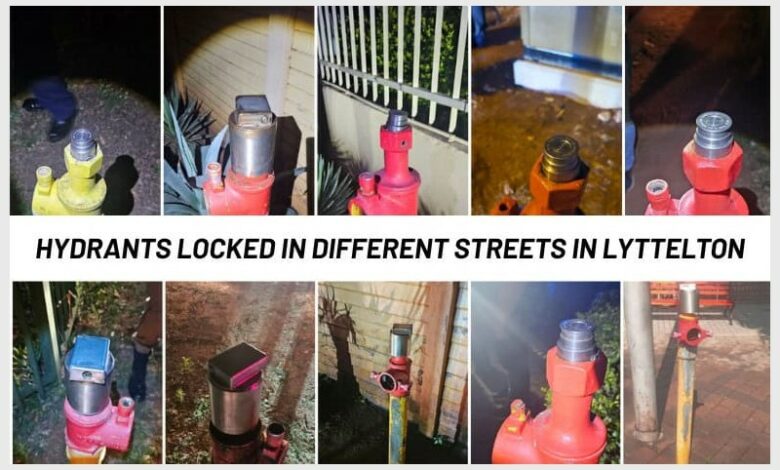
The Tshwane Metro says it has recorded a noticeable decline in the illegal use and vandalism of municipal fire hydrants in Centurion and other parts of the city following the introduction of specialised locking mechanisms that restrict access to authorised personnel.
This update follows a municipal investigation into an incident in Lyttelton last week in which water was drawn from a municipal fire hydrant, raising concerns among residents.
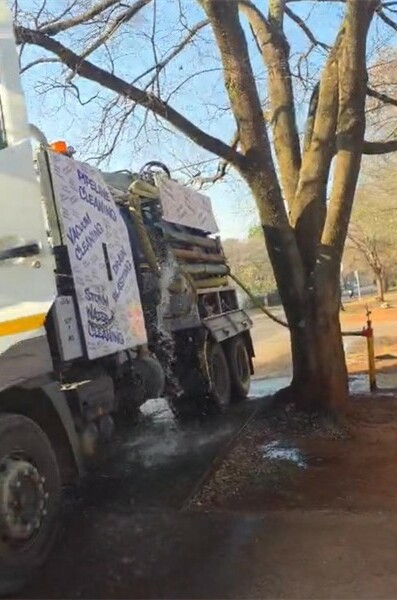
On July 8, shortly after 08:00, residents reported seeing individuals who were driving an unbranded truck drawing water from a municipal fire hydrant at the corner of Langebrink Road and Union Avenue.
The water was allegedly being used to fill a tank mounted on the back of the truck. Since the truck was not a municipal vehicle, residents questioned whether the individuals were authorised to draw water from the hydrant.
They also expressed concern about the apparent wastage of water while the tank was being filled.
Following the incident, the matter was reported to the city, and it launched an investigation into the matter.
Tshwane Metro spokesperson Lindela Mashigo told Rekord that the investigation established that the water was being drawn for authorised operational pipe jetting activities carried out on behalf of the municipality.
He explained that the vehicle and individuals seen at the scene belonged to a service provider contracted by the city to perform maintenance and emergency response work within the water and sanitation network.
According to Mashigo, the work formed part of authorised municipal operations, specifically filling a tanker to facilitate the high-pressure jetting of sewer pipelines to remove blockages.
He added that, “While the work itself was legitimate, the responsible service provider was reminded of the importance of adhering to water conservation principles,” and stated that this provider, “…was formally reprimanded to ensure that all operational activities are undertaken in a manner that avoids unnecessary water use or wastage.
“The city has several operational controls and oversight measures in place to ensure that water drawn from municipal fire hydrants is used responsibly and exclusively for authorised municipal purposes.”
Mashigo stated that the service provider had also been instructed not to use vehicles with damaged or leaking pipes, reinforcing the city’s commitment to preventing unnecessary water losses during operational work.
He confirmed that municipal employees and authorised contractors are permitted to draw water from municipal fire hydrants, but only under strictly controlled circumstances.
“Municipal employees and authorised contractors may draw water from municipal fire hydrants, but only under controlled and authorised circumstances directly related to the execution of municipal services, infrastructure maintenance, and emergency response activities,” he explained.
The investigation also revealed that the TMPD had encountered the vehicle while it was drawing water from the hydrant.
As part of its verification process, TMPD officers contacted the responsible city director, who confirmed that both the vehicle and its occupants were authorised to carry out the work.
Mashigo noted that the city treats any unauthorised use of municipal infrastructure seriously and would investigate every reported incident.
“Where individuals are found to have drawn water without the necessary authorisation, the city will institute an investigation and, where appropriate, take legal action in accordance with applicable municipal policies and legislation,” he said.
He added that the same approach applies to individuals who illegally use fire hydrants or impersonate municipal employees or contractors.
Residents who witness people drawing water from municipal fire hydrants and are unsure whether they are authorised to do so are encouraged to report the matter to the TMPD.
“Residents are advised to photograph the vehicle, where it is safe to do so, ensuring that the registration number is clearly visible before reporting the incident for verification and investigation,” stated Mashigo.
Community members can contact the Region 4 TMPD on 012 358 3117, 012 358 3116, or the TMPD number for reporting criminal activities either on 012 358 7095 or 012 358 7096.
He acknowledged that specialised operational vehicles or vehicles without clear municipal branding can create uncertainty among residents.
“To improve public confidence and operational transparency, arrangements will be made for the truck in question to display a clearly visible authorisation permit while conducting municipal operations,” he said.
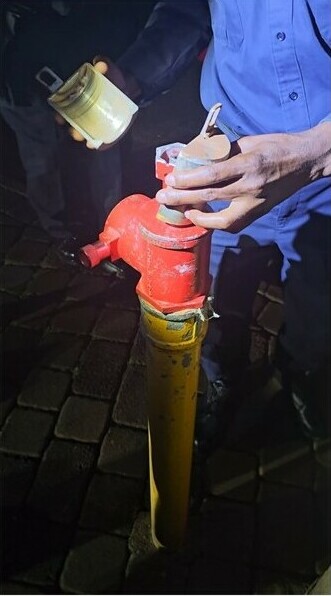
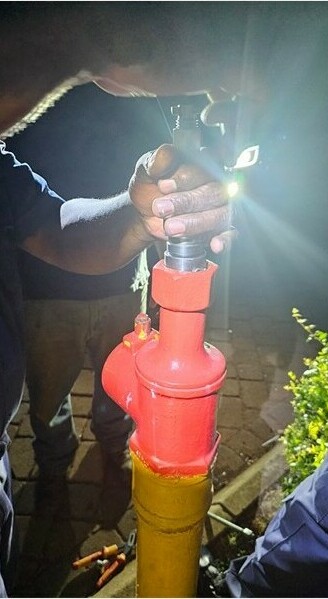
The metro also confirmed that it continues to install specialised locking mechanisms on fire hydrants identified as vulnerable to abuse.
This intervention has allegedly proven to be effective and has contributed to a noticeable decline in incidents of illegal hydrant use and vandalism in Centurion and other parts of Tshwane.
Mashigo added that the municipality remains committed to responsible water management, safeguarding public resources and protecting critical water and sanitation infrastructure to ensure reliable service delivery.
Do you have more information about the story?
Please send us an email to bennittb@rekord.co.za or phone us on 083 625 4114.
For free breaking and community news, visit Rekord’s websites: Rekord East
For more news and interesting articles, like Rekord on Facebook, follow us on Twitter or Instagram or TikTok or WhatsApp Channel