Lyttelton CPF calls for more residents to join fight against crime
The CPF warns that fewer residents are stepping forward to volunteer, threatening the long term sustainability of crime prevention efforts in Sectors 1 and 4.
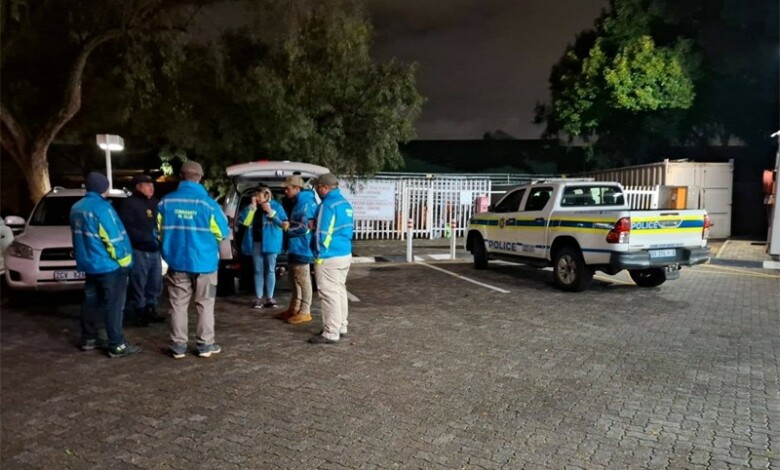
The Lyttelton CPF has identified one of its most significant challenges this year, which involves convincing residents to remain actively involved in combatting crime.
While crime-prevention efforts have successfully displaced criminal activity in parts of Lyttelton, CPF spokesperson Johan Niemann explained that this sense of safety has led to complacency among residents.
In turn, the situation has placed increasing pressure on the small group of volunteers who continue to patrol streets, co-ordinate emergency responses, and sustain crime-prevention initiatives.
Niemann highlighted the cyclical nature of this issue, noting that as crime decreases, residents tend to relax, leading to a reduction in patrols and, eventually, a resurgence in criminal activity.
He described this cycle as one of the greatest obstacles to maintaining the momentum built through years of community-driven crime-prevention efforts.
“Sector 1, in particular, relies heavily on volunteers to keep its operations running. From staffing the Joint Operations Centre (JOC) around the clock and conducting patrols to coordinating emergency responses and educating residents about crime-prevention, much of the work is carried out by ordinary community members who sacrifice their personal time to ensure the neighbourhood’s safety,” he said.
Niemann emphasised that most of the work often falls on a small group of dedicated volunteers who must juggle demanding careers and family responsibilities alongside their commitment to community safety.
He acknowledged the challenges posed by rising fuel prices and increasing work pressures, which make it difficult for volunteers to leave their families at home to patrol and protect others.
Despite these challenges, Niemann noted that the CPF has made significant progress during the first half of 2026.
He explained that the forum’s greatest achievements are not solely reflected in crime statistics but also in its ability to displace crime through visible patrols, a fully operational 24-hour Joint Operations Committee, crime-prevention awareness campaigns, and strong partnerships with the SAPS, TMPD, ward councillors, and private security companies.
“Encouraging residents to participate in various ways, whether by serving as street coordinators, reporting suspicious activity, supporting operations, or mentoring new volunteers, has also been a key factor in the CPF’s success.
“Sector 4 has experienced similar successes due to strengthened partnerships between SAPS, TMPD, private security companies, neighbourhood watch groups, community patrollers, and residents,” he added.
He stated that these collaborations have resulted in several successful arrests, the recovery of stolen property, and faster responses to incidents through improved communication and coordinated operations.
However, Sector 4 faces many of the same challenges as Sector 1.
“While residents generally appreciate the CPF’s work, only a small percentage actively volunteer or contribute financially, making it difficult to sustain and expand patrols, awareness campaigns, and other community safety projects.”
Niemann explained that the CPF’s reliance on volunteers means that declining community participation directly impacts its ability to maintain the visibility that helps deter crime.
He added that much of the CPF’s work remains invisible to the public. While residents may see patrol vehicles on the road or receive reports after operations, they are often unaware of the extensive planning and administration required behind the scenes.
He also highlighted the emotional toll on volunteers and their families who are frequently exposed to traumatic situations that often go unnoticed by the broader community.
He noted that while Sectors 1 and 4 share many operational challenges, they also face unique crime trends.
Sector 1 has seen a rise in vehicle thefts, with many families unable to afford additional security measures such as vehicle tracking systems or anti-hijack technology.
Meanwhile, Sector 4 continues to grapple with cable theft, theft via motor vehicles, gate motor theft, burglaries, robberies, motorcycle theft, and suspicious individuals conducting surveillance in residential areas.
“Environmental factors such as illegal dumping, abandoned properties, and unmanaged open spaces have also created opportunities for criminal activity.”
Despite these concerns, Niemann emphasised that the close co-operation between law enforcement agencies, emergency medical services, and the ward councillor remains one of the area’s greatest strengths.
Looking ahead, both sectors have identified increasing community participation as their top priority for the remainder of the year.
“In Sector 1, members aim to encourage more residents to take ownership of community safety by sharing responsibilities more broadly, while Sector 4’s plans include recruiting additional volunteers, strengthening partnerships, improving communication with residents, continuing crime-prevention awareness campaigns, and advocating for improved municipal service delivery where it affects public safety,” confirmed Niemann.
Niemann stressed that the CPF can only remain effective if more residents become involved, as the workload is too heavy for the handful of volunteers currently active.
He urged residents to stay vigilant, report suspicious activity, and take crime-prevention advice seriously, emphasising that community safety cannot rest on the shoulders of a few but requires the collective effort of the entire community.
Do you have more information about the story?
Please send us an email to bennittb@rekord.co.za or phone us on 083 625 4114.
For free breaking and community news, visit Rekord’s websites: Rekord East
For more news and interesting articles, like Rekord on Facebook, follow us on Twitter or Instagram or TikTok or WhatsApp Channel