Transoranje learners see science through virtual reality
The stakeholders aim to bring the programme to several other schools in due course.
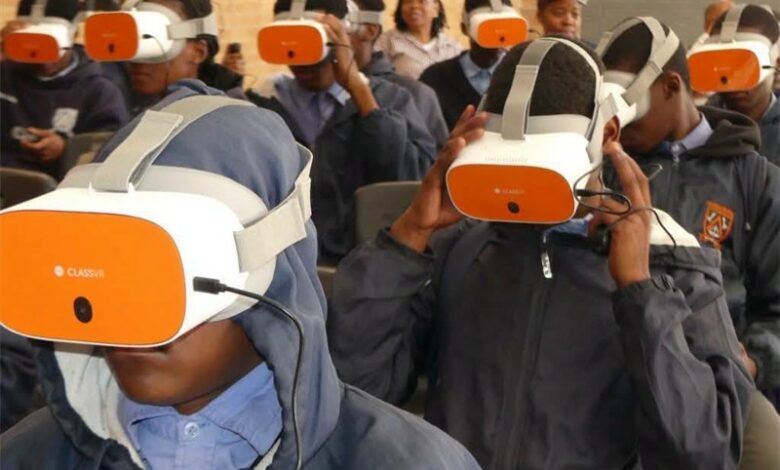
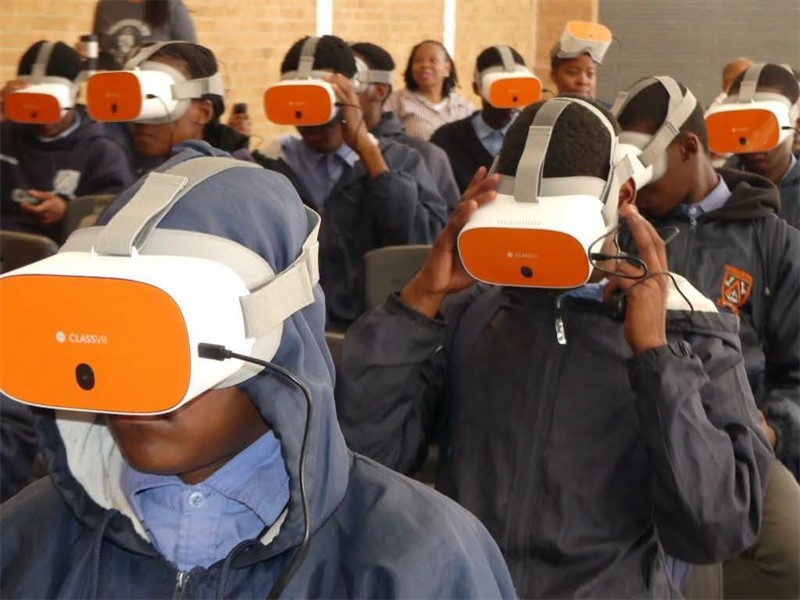
Through the Sci-Enza Science Centre’s latest outreach programme, the University of Pretoria (UP) is bringing VR-based STEM experiences to schools in and around Pretoria, especially those with limited access to advanced science facilities and equipment.
UP hosted learners from the Transoranje School for the Deaf for an educational session using virtual reality (VR) to introduce them to renewable energy and other science, technology, engineering and mathematics (STEM) concepts.
The visit formed part of a new outreach programme supported by funding from the Albert Wessels Trust through the Department of Institutional Advancement’s (DIA) fundraising office.
Puleng Tsie, manager of Sci-Enza, said the centre wants to make these technologies accessible to learners so that, instead of reading about them, they can interact with them.
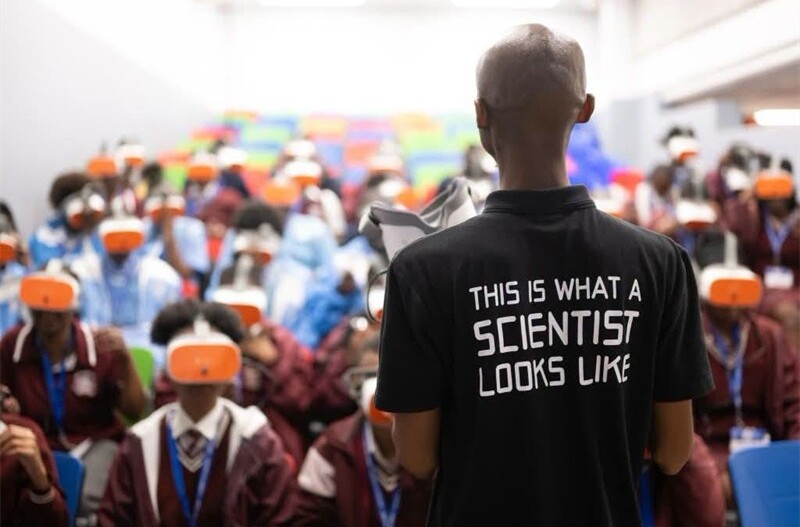
“STEM is not something distant or reserved for other people; it is something they can participate in and build a future in. Instead of simply reading about space, engineering or biology in a textbook, pupils can virtually step inside those environments and interact with them,” Tsie said.
During the visit, learners used VR headsets to explore solar energy, hydroelectricity and wind turbines, and also entered a virtual underwater environment featuring sharks.
Tsie added that the experience encouraged learners to discuss what they had seen and connect it with concepts they were already learning.
“They saw how energy is collected and converted into electricity, and how it then gets into our homes. The VR session gave them the opportunity to see a power plant and its different operations, which they might not get the opportunity to visit physically,” she shared.
“If science remains in the textbook, we will miss out on generations of innovators and problem-solvers for our communities and the whole country. The goal was not just to teach STEM concepts but to spark curiosity and broaden pupils’ aspirations, particularly for those who may not otherwise have access to these experiences,” she continued.
The Transoranje visit is one of several school engagements planned through the programme. Sci-Enza is working with Natural Sciences and Technology District co-ordinators from the Department of Basic Education’s Tshwane South District to reach schools in and around Pretoria.
Other schools identified for the programme include Curro Academy Mamelodi, Laerskool Bakenkop, Andrew Anthony, Burgher Right, Paratus, Sunnyside, Centurion, Matseke, Emasangweni and Wespark primary schools.
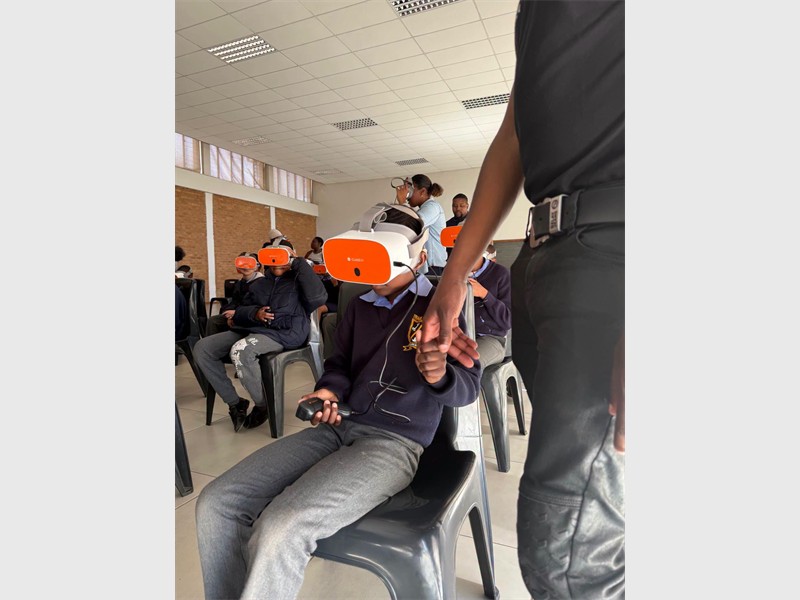
Lehlohonolo Mmanape, Departmental Head for Intermediate Phase at Transoranje School for the Deaf, said the technology complements how learners engage with information.
“Our kids are visual; they learn better with what they see, and so having them have the experience, being in the space, I think that works out and will help a lot when it comes to teaching.
“This is a very great initiative, and it’s something that should go into schools more often, especially when it comes to the content we do in the sciences,” Mmanape said.
She added that VR could be particularly useful for teaching scientific concepts that are difficult to demonstrate in a classroom. She highlighted the human ear as one example, as it forms part of the Grade 4 curriculum and is particularly relevant to learners at the school.
Watch here: https://www.facebook.com/reel/1467841311838708
Do you have more information about the story?
Please send us an email to bennittb@rekord.co.za or phone us on 083 625 4114.
For free breaking and community news, visit Rekord’s websites: Rekord East
For more news and interesting articles, like Rekord on Facebook, follow us on Twitter or Instagram or TikTok or WhatsApp Channel