
Tshwane motorists get smoother rides after R14m Graham Road upgrade
Major routes across Gauteng have been rehabilitated — and the provincial roads department is already lining up a new three-year contractor panel to tackle the next batch of crumbling roads.
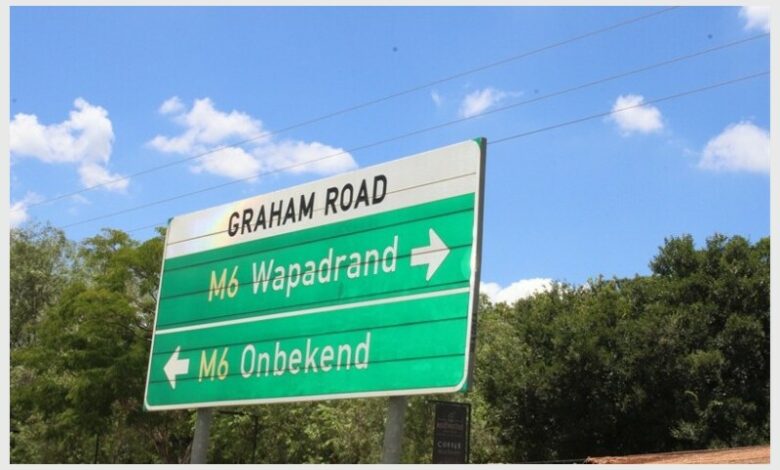
The Gauteng Department of Roads and Transport has completed rehabilitation work on key Tshwane routes – including Graham, Mogogelo and Makapan roads – alongside priority corridors across the province.
The department said it is making progress in addressing road maintenance challenges through targeted interventions aimed at improving road conditions, enhancing road safety and responding to the concerns and needs of communities.
The department also successfully completed maintenance interventions on several priority roads in other parts of the province, such as the R548, R28, R553, D1132, R103, K46, Cedar Road and Winnie Mandela Drive.
Gauteng Department of Roads and Transport MEC Kedibone Diale-Tlabela said these roads were prioritised due to significant deterioration and concerns raised by road users and affected communities.
She said the department is now shifting its attention towards other sections of the provincial road network that require maintenance, while continuing to prioritise roads in the poorest condition.
Tshwane corridor upgrade
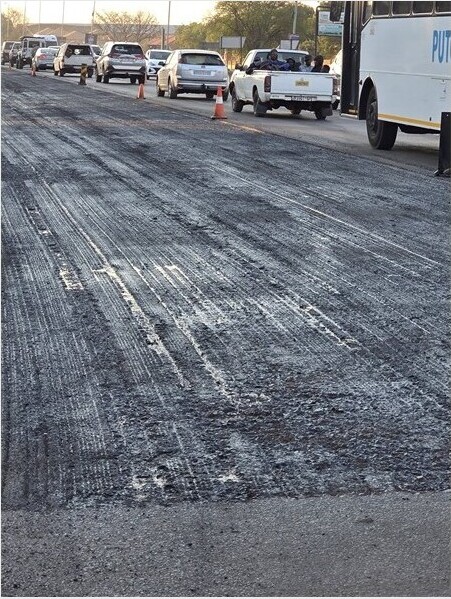
The department allocated about R14m to address severe structural deterioration along a 5km stretch of Graham Road.
For years, motorists have endured deep potholes, failing traffic lights, and severe congestion, particularly near the intersections with Lynnwood Road and Struben Street, as well as the stretch toward Silver Lakes Road.
The project scope on Graham Road included milling, resurfacing and road marking, with work beginning on August 26 and completed by end of October this year.
Diale-Tlabela said the work on these roads demonstrates the department’s commitment to responding to community concerns and improving the condition of the provincial road network.
“We recognise that the conditions of our road infrastructure have a direct impact on the daily lives of our people. It affects how communities travel, how businesses operate and how efficiently goods and services move across the province.
“We are, therefore, prioritising interventions that respond to the most urgent road maintenance needs.
“The completion of these priority sections is encouraging, but we recognise that more work remains to be done,” said Diale-Tlabela.
New contractors
She said the department has also completed the first phase of the procurement process for the appointment of a panel of contractors for a three-year period, with implementation anticipated to start in early December.
This arrangement is expected to strengthen the department’s maintenance capacity and improve its ability to respond more efficiently to road maintenance requirements.
She said other priority road projects are being closely monitored to ensure implementation challenges are addressed and project commitments are met.
Diale-Tlabela emphasised that protecting public infrastructure requires a collective effort involving government, law enforcement agencies and communities.
“We cannot allow the vandalism and theft of public infrastructure to undermine the services we provide to our people. Traffic signals and related infrastructure are essential for road safety and the efficient movement of traffic.”
Diale-Tlabela said they are introducing technological interventions to strengthen monitoring, but added that they also need the support of law enforcement and communities to protect these assets and ensure that those responsible are held accountable.
Tackling road reserve decay
The department acknowledges that illegal dumping, overgrown vegetation, settlement encroachment and vandalism continue to affect road reserves and the overall condition of the road network.
It is therefore strengthening collaboration with municipalities, law enforcement agencies and relevant government departments to develop co-ordinated and sustainable interventions.
The MEC further called on communities to play an active role in protecting public infrastructure and maintaining clean and safe road environments.
“Road infrastructure belongs to all of us, and its protection is a shared responsibility. We appeal to communities to refrain from illegal dumping, report vandalism, and work with government to safeguard our road reserves. We must build a culture of responsibility and accountability if we are to sustain the improvements we are making,” added Diale-Tlabela.
Members of the public are further encouraged to report road maintenance concerns through the department’s established communication channels.
“Work is completed, but more upgrades will follow next year,” said DA PR councillor Malcolm de Klerk.
Do you have more information about the story?
Please send us an email to bennittb@rekord.co.za or phone us on 083 625 4114.
For free breaking and community news, visit Rekord’s websites: Rekord East
For more news and interesting articles, like Rekord on Facebook, follow us on Twitter or Instagram or TikTok or WhatsApp Channel


