Volunteers plant over 500 indigenous plants at Pretoria's Fort Klapperkop Museum
From krantz aloes to Natal red top grasses, community members teamed up to refresh the historic Pretoria site's beds and repair its entrance signage.
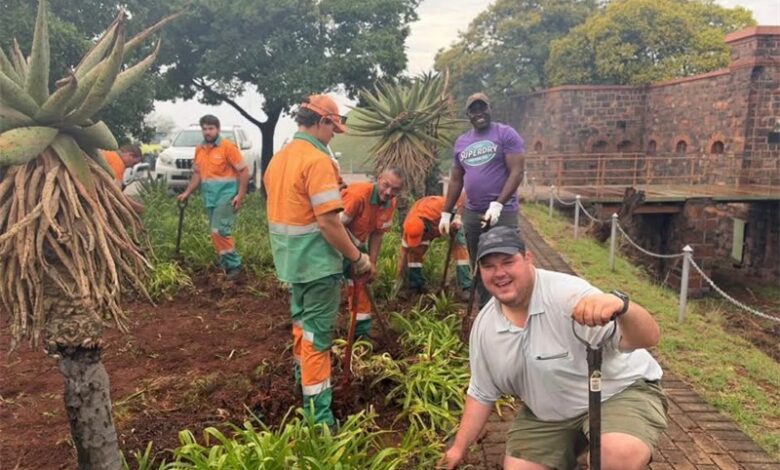
More than 500 indigenous plants and grasses have been planted at the historic Fort Klapperkop Museum in Pretoria during a four-hour community clean-up.
Fifteen community volunteers and 13 AfriForum members contributed their time, tools and equipment on Saturday.
According to AfriForum spokesperson for Tshwane Maree van den Berg, the organisation became involved after the Friends of Klapperkop and Groenkloof Nature Reserve approached it for assistance with the project.
The two organisations have previously collaborated on several initiatives at Fort Klapperkop, including the removal of invasive wattle trees in the Klapperkop Nature Reserve on August 15.
The latest project focused on refurbishing existing garden beds and establishing an attractive, low-maintenance garden.
Volunteers removed weeds, divided excess Agapanthus plants and relocated them to empty areas.
He said they also worked 3 m³ of compost into the soil before planting new vegetation according to a planned layout.
A further 2 m³ of mulch was added to help retain soil moisture, while at least 20 bags of garden waste were removed.
Indigenous plants and grasses added
The planting included six tree fuchsias, five yellow fire lilies, five Ifafa lilies, 25 succulent bush senecios and 30 krantz aloes, while volunteers also planted 256 Ngongoni grasses and 200 Natal red top grasses.
Van den Berg said the project was guided by the City of Tshwane’s Nature Conservation Department and relevant professionals to ensure the selected plants were hardy, water-wise and required minimal maintenance.
In addition to the garden improvements, AfriForum’s Groter-Moot neighbourhood team repaired the information sign at the fort’s entrance, which displays the museum’s opening hours and entrance fees.
Co-operation with the metro
The Friends initiated the project, while AfriForum co-ordinated the practical arrangements and provided support through its neighbourhood team.
The initiative was undertaken in accordance with the memorandum of understanding between the Friends and the city, with the metro’s museum management and Nature Conservation Department involved in the planning and implementation.
Van den Berg said AfriForum planned to build on the initiative by hosting similar activities at Fort Klapperkop and exploring opportunities at other heritage sites in Pretoria. He added that community involvement was essential to maintaining public spaces and heritage sites, with co-operation between residents, community organisations and local authorities playing an important role.
“Our aim is not merely to make a once-off difference, but to encourage sustained community involvement in preserving our shared heritage. Every heritage site that is restored and maintained helps ensure future generations can continue to enjoy it,” he said.
AfriForum hopes the project will encourage more residents to participate in preserving Pretoria’s historic spaces for future generations.
Do you have more information about the story?
Please send us an email to bennittb@rekord.co.za or phone us on 083 625 4114.
For free breaking and community news, visit Rekord’s websites: Rekord East
For more news and interesting articles, like Rekord on Facebook, follow us on Twitter or Instagram or TikTok or WhatsApp Channel