What parents should know
From TB, to ear infections, growth in children, excessive screen time, wheezing and asthma in little lungs, to blood tests
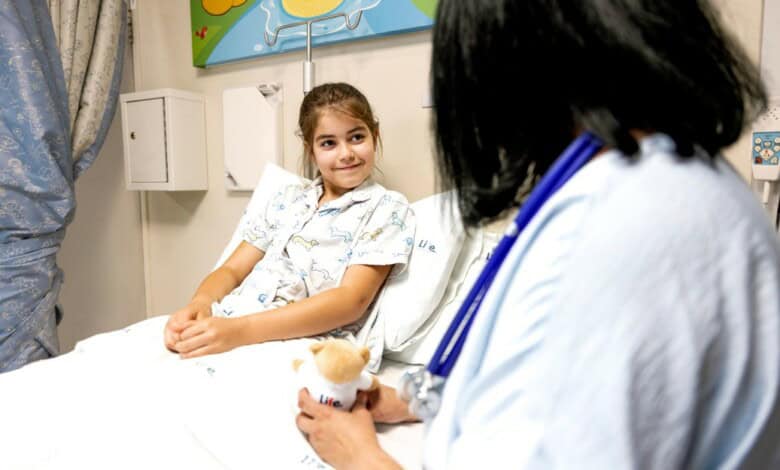
Parents often worry about whether their child is growing well, why they keep getting ear infections, or when a persistent cough might signal something more serious. At a recent paediatric clinical update, paediatric specialists at Life Groenkloof Hospital discussed six important areas of child health that parents could encounter: tuberculosis (TB), middle ear infections, growth concerns, concerns about screentime, wheezing and potential asthma, to underlying illnesses or deficiencies shown by blood tests.
Their message was reassuring but clear: early recognition and proper medical care can prevent complications and help children stay healthy.

Tuberculosis: Why early screening matters
Tuberculosis remains a significant health concern in South Africa, particularly for children who have been exposed to someone with the infection. Prof Nicolette du Plessis, Paediatric Infectious Disease Specialist, explained that early screening and prevention are key to protecting children.
“The most important step is identifying children who have been in contact with someone with active TB,” she said. “Once we know there has been exposure, we can evaluate the child and provide preventive treatment if necessary.”
Preventive treatment can stop the infection from developing into active disease. New guidelines now recommend screening for all close contacts of a TB patient, not only very young children or those with weakened immune systems.
Parents should seek medical advice if a child has symptoms such as persistent cough, unexplained weight loss, fever, night sweats or fatigue. However, Prof du Plessis emphasised that diagnosing TB in children can be challenging because they often cannot produce sputum samples like adults.
“Children swallow their sputum instead of coughing it up,” she explained. “That’s why new tests, including stool testing, are helping us diagnose TB more effectively in young children.” While advanced laboratory tests are helpful, basic tools such as clinical assessment and chest X-rays remain very important. “A careful clinical examination and the child’s medical history still play a central role in making the diagnosis,” she said.

Ear Infections: A common childhood problem
Ear infections are one of the most common reasons parents take their children to the doctor. Dr Yolandé Lambrechts, Paediatrician, noted that most children will experience at least one ear infection during early childhood.
“Young children are especially prone to ear infections because their Eustachian tubes – the small passages that connect the middle ear to the back of the nose – are shorter and more horizontal than in adults,” she explained. This anatomy makes it easier for bacteria or viruses from a cold to move into the middle ear. Older children can usually describe ear pain or discomfort, but younger babies may show more subtle signs.
“Parents should watch for symptoms like irritability, fever, poor feeding or a child pulling at their ears,” Dr Lambrechts said. Most ear infections respond well to appropriate treatment and careful follow-up. However, repeated infections or persistent fluid in the middle ear can affect hearing and speech development.
“If fluid stays in the middle ear for more than three months, it can interfere with hearing,” she explained. “This is why children with ongoing ear problems should sometimes be referred to a specialist for further evaluation.” In some cases, small tubes called grommets may be inserted into the eardrum to help drain fluid and prevent further infections.

Growth and development: Every child is different
Parents often worry when a child seems smaller than their classmates or siblings. According to Dr JC van Dyk, Paediatric Endocrinologist, growth patterns vary widely among healthy children.
“The first question we ask is whether the child is truly growing too slowly,” he said. “Some children are simply naturally smaller, especially if their parents are also shorter.”
Doctors evaluate growth by measuring height and weight over time and plotting the results on growth charts. These charts help determine whether a child is following their expected growth pattern. One of the most important periods for growth occurs very early in life. “The first two years of life have the greatest impact on a child’s final adult height,” Dr van Dyk explained. “That’s why regular check-ups during infancy are so important.”
When growth slows significantly, doctors may investigate underlying causes such as hormonal conditions, nutritional problems or chronic illnesses. Early identification allows doctors to address the problem and support healthy development.
For parents, this means regular clinic visits and keeping a record of growth measurements. Trust your instincts if you feel your child is not keeping up, raise concerns early with your GP. In many cases reassurance is all that is needed, but when intervention is required, early action can make a meaningful difference to a child’s long‑term health and confidence.
Careful plotting on growth charts, watching your child’s growth rate and considering family height remain essential tools in predicting a child’s eventual adult height.

Little screens, big impact: What parents need to know
Screens are part of everyday life, but growing evidence shows that too much screen time can have a big impact on children’s health and development. Paediatricians worldwide are raising concerns as research into screen use among children andteenagers continues to grow rapidly.
Dr Pierre Breedt-Kriek, Paediatrician explained that “in South Africa, children are exposed to particularly high levels of screen time”. Many spend large portions of their day on phones, tablets, TVs or computers – often beginning at a very young age.
Physically, excessive screen use is linked to weight gain due to inactivity and distracted eating. Eye problems such as short‑sightedness are becoming more common, especially with long hours spent focusing on small screens. Poor posture and neck or back pain are also increasingly seen. Screens used in the evening can disrupt sleep, making it harder for children to fall and stay asleep.
Behaviour and learning may also be affected. Fast‑paced, highly stimulating content can lead to irritability in toddlers, while older children may struggle with attention, mood, self‑esteem and school performance. Online risks, including cyberbullying, are a growing concern with serious emotional consequences.
“Experts recommend delaying screen use as long as possible, limiting screen time to shorter periods, choosing high‑quality content, and encouraging device‑free family time. Most importantly, parents should model healthy digital habits themselves,” Dr Breedt-Kriek said.

A pre‑school wheeze? Understanding asthma in little lungs
Hearing your young child wheeze can be frightening for any parent. “Wheezing is quite common in babies and preschool‑aged children, especially during colds and viral infections,” Dr Adéle Roux, Paediatric Pulmonologist, explained. But does a wheeze always mean asthma? “The short answer is no.”
Many young children will wheeze at some point, particularly when they have chest infections, and most will outgrow it. Asthma is also common and needs good control, but not every child who wheezes has asthma. Doctors look at several clues over time before making that diagnosis. These include how often the wheeze occurs, whether it only happens with colds or is triggered by exercise and allergies, family history of asthma or eczema, and how well symptoms respond to inhalers.
“One practical issue parents often underestimate is the correct way to use an inhaler.” Young children need a spacer and using it incorrectly can mean the medicine does not work properly. Ask your doctor or nurse to show you exactly how to use it.
“Importantly, oral steroid medicines should not be used routinely for a wheeze or cough. Even a single dose can affect immunity and growth,” Dr Roux emphasised. These medicines should only be given when clearly prescribed for serious conditions.
The key message for parents is to monitor symptoms, use medication correctly and return for reassessment if they are unsure. Early support and careful review make all the difference.

A simple blood test that can save a life: why blood smears matter
When a doctor consults an unwell child, a full blood count is commonly requested. Many parents don’t realise that this basic blood test offers valuable information, especially when it includes a closer look at the blood cells under a microscope – called a blood smear review.
Dr Liezl du Plessis, Paediatric Oncologist, described this as the “fifth vital sign” because of the essential information it provides. Automated machines count blood cells quickly, but can miss detail or even categorise cells inaccurately. “A blood smear allows trained laboratory experts to examine the cells, picking up important clues to assist with a more accurate diagnosis. These signs can support common problems such as iron deficiency anemia and infections. It may point towards the cause for excessive bleeding for instance and confirm life-threatening illnesses such as childhood leukaemia.” Paying attention to the detail on the blood smear in some instances could trigger urgent specialist referral, or support or exclude a diagnosis.
For parents, the key message is reassurance rather than alarm. Most full blood count results only have minor abnormalities, but when something more ominous is flagged by the automated machine, “a careful blood smear review helps doctors act quickly and accurately”, Dr du Plessis advised. If your child’s doctor asks for repeat bloods or mentions reviewing the smear, it is because they are being thorough – and that’s a very good thing.
When parents should seek medical advice
While most childhood illnesses are mild and temporary, parents should consult their GP or healthcare professional if they notice:
– Persistent cough or weight loss
– Fever lasting several days
– Repeated ear infections
– Delayed speech development
– Slow or unusual growth patterns
Regular check-ups with a trusted healthcare provider remain the best way to monitor a child’s health.
A team approach to children’s health

Our paediatric specialists at Life Groenkloof Hospital emphasised that caring for children is a partnership between parents, general practitioners and specialists. Parents know their children best, and if something doesn’t seem right, it is always worth discussing it with your doctor. Early medical care often prevents more serious problems later.
Ultimately, regular medical care, open communication with healthcare providers and early attention to symptoms help ensure that children grow, learn and thrive.
For more information on our doctors, facilities and services, please contact Life Groenkloof Hospital on 012 424 3600, email karen.landsberg@lifehealthcare.co.za or visit https://bit.ly/3PKFbcw.